



The Atmosphere’s Normal Behaviour
On a typical day, the air closest to the ground is the warmest. The sun's energy heats the Earth's surface, which in turn warms the layer of air directly above it. This warm air, being less dense than the cooler air at higher altitudes, naturally rises.
As it rises, it expands and cools, carrying pollutants like smoke and exhaust fumes upwards and dispersing them into the wider atmosphere. This constant vertical mixing is like the planet's ventilation system, helping to keep the air we breathe at ground level relatively clean.
What is a Temperature Inversion?
A temperature inversion, as the name suggests, flips this normal process on its head. It's a situation where a layer of cooler, denser air gets trapped at the surface beneath a layer of warmer air. Instead of the temperature decreasing with altitude, it actually increases for a certain distance. This layer of warm air acts like a lid or a cap on the atmosphere, effectively shutting down the vertical movement of air from below. This atmospheric 'lid' is the critical feature of an inversion and the reason for its significant impact on air quality.
Why Cold, Calm Nights Are Key
The most common type of inversion, known as a radiation inversion, forms during long, clear, and calm nights—conditions often found in winter. After the sun sets, the ground rapidly radiates its heat away and cools down. This, in turn, cools the layer of air directly in contact with it. Air is a poor conductor of heat, so the air higher up remains warm from the day. With clear skies, there are no clouds to act as a blanket and trap the outgoing heat. Calm winds prevent the warm and cold air layers from mixing. This combination creates the perfect setup: a cold, dense layer of air at the surface with a warmer, less dense layer sitting on top of it.
The Trapping Effect on Pollutants
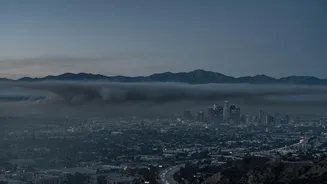
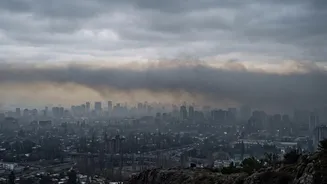
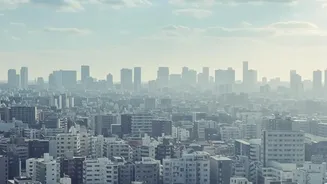
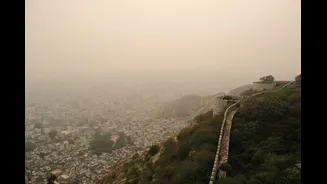
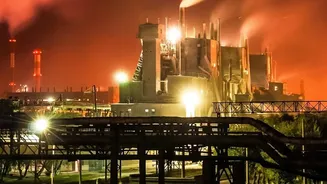
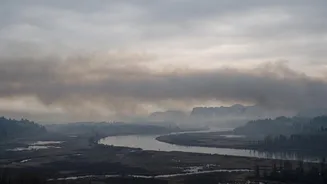
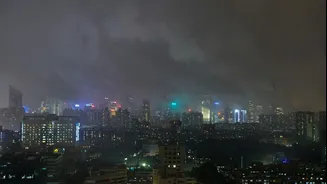
Once an inversion layer is established, anything released into the cold bottom layer is stuck. Smoke from fires, emissions from vehicles, and pollutants from industrial sources are released into this trapped air. Because the cold air is denser than the warm air above it, it cannot rise. The warm inversion layer acts as an impenetrable barrier, preventing the pollutants from dispersing vertically. Instead of mixing and rising, the smoke and smog are forced to spread out horizontally, becoming increasingly concentrated near the ground where we live and breathe. This is why you can often see a distinct, sharp line in the sky marking the top of the hazy layer—it’s the boundary of the inversion.
Health and Environmental Consequences
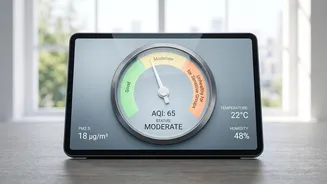
This trapped pollution is more than just an ugly sight; it poses significant health risks. The concentration of fine particulate matter, especially PM2.5, can skyrocket during a prolonged inversion. These tiny particles can penetrate deep into the lungs and even enter the bloodstream, causing or worsening respiratory conditions like asthma and bronchitis, and increasing the risk of cardiovascular events. Children, the elderly, and individuals with pre-existing heart or lung disease are particularly vulnerable. In many Indian cities, this phenomenon is a major contributor to the severe air quality issues experienced during the winter months, turning a simple weather event into a serious public health concern.