








More Than Just a Number
You’ve probably heard the saying, “It’s not the heat, it’s the humidity.” The heat index is the scientific validation of that phrase. It’s a metric that combines air temperature with relative humidity to provide a “feels like” temperature, which is a more
accurate representation of how hot the human body perceives the conditions to be. Our primary cooling mechanism is sweating; as perspiration evaporates, it cools our skin. But when the air is already saturated with moisture, that evaporation process slows down dramatically. This means your body has to work much harder to regulate its internal temperature, making an 85-degree day feel manageable with low humidity but oppressive and dangerous when humidity is high. Heat index values are calculated for shady areas with a light breeze, so being in direct sunlight can make it feel up to 15°F hotter.
The Science Gets Personal
For decades, the heat index has been a tool for meteorologists to issue public warnings. Now, as climate change leads to more frequent and intense heatwaves, the research focus is shifting. Scientists are exploring the limitations of the standard heat index, which doesn't account for individual factors like age, health conditions, or acclimatization. Studies show that extreme heat poses a greater risk to older adults, young children, and pregnant people, who are more susceptible to heat-related illnesses. Research is also increasingly linking heat exposure to a wider range of health issues beyond heatstroke, including negative impacts on cardiovascular health, kidney function, and even mental well-being. This growing body of evidence highlights that a one-size-fits-all approach to heat safety isn't enough, pushing for more personalized guidance.
From Lab to Lifestyle App
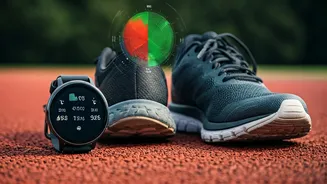
This evolving understanding of heat's impact is being integrated directly into the technology we use every day. Wellness has moved beyond simple step counting to become a data-driven pursuit of optimal health, and heat is the new metric. Wearable technology from brands like Garmin and Apple now incorporates temperature and weather data to provide sophisticated insights. Garmin’s Heat Acclimation feature, for example, tracks your body’s adaptation to training in hot conditions over time. It uses weather data from your phone for activities where the temperature is above 72°F (22°C) to adjust your VO2 max estimate and training status, recognizing that your body is working harder. These devices can notify you when heat might be affecting your performance and help you understand your body’s physiological response, such as increased heart rate and sweat rate. This transforms the heat index from a passive weather report into an active, personalized tool for managing athletic performance and daily well-being.
Putting Knowledge Into Practice
With this data at our fingertips, managing heat exposure becomes a proactive part of our wellness routine. The first step is to simply pay attention. The National Weather Service provides clear charts categorizing heat index values from “Caution” to “Extreme Danger,” offering guidance on the risk of heat-related illness. When the heat index is high, it's crucial to adjust your activities. This might mean shifting your daily run to the early morning or evening, reducing the intensity of your workout, or simply opting for an indoor activity. Hydration becomes even more critical; you need to drink water consistently, even before you feel thirsty. Many apps, like the OSHA-NIOSH Heat Safety Tool, provide real-time local heat index data and safety recommendations. By treating heat index information with the same seriousness as a severe weather alert, you can make smarter decisions to protect your health without sacrificing an active lifestyle.