



The Challenge: An EV for Every Budget
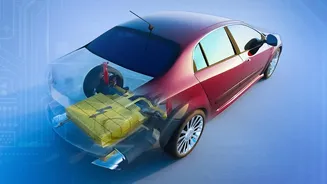
For years, the high cost of lithium-ion batteries has been the single biggest hurdle to producing a truly budget-friendly electric vehicle in India. While the market for electric two-wheelers and premium EVs has grown, the core passenger car segment—especially
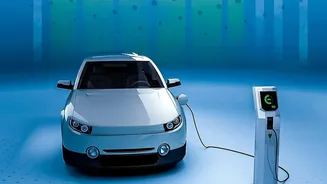
small, affordable models—has been difficult to electrify without significant sticker shock for consumers. Automakers have been caught between the high price of imported battery components and the Indian consumer's demand for value. This has left a crucial gap in the market: a reliable, safe, and, most importantly, inexpensive electric car for city commutes and daily errands. The goal for many has been to crack the sub-₹10 lakh price point, a feat that has proven difficult with existing lithium-based technology.
Enter Sodium-Ion: The Abundant Alternative
This is where sodium-ion (Na-ion) batteries are poised to change the game. Instead of lithium, these batteries use sodium, the same element found in common table salt. Sodium is one of the most abundant elements on Earth, estimated to be over 500 times more plentiful than lithium. This fundamental difference in raw material availability is the core of its cost advantage. Unlike lithium, which is concentrated in a few countries, leading to geopolitical risk and price volatility, sodium is available globally, including in India's vast reserves. This allows for a more secure and stable supply chain, a critical factor for a nation aiming for energy self-reliance under missions like 'Atmanirbhar Bharat'.
Unpacking the Cost Breakthrough
The cost savings from using sodium-ion technology are significant. The raw material, soda ash, is dramatically cheaper than battery-grade lithium carbonate. Furthermore, sodium-ion batteries can use aluminum for their current collectors instead of the more expensive copper required in many lithium-ion cells, adding to the savings. Industry estimates suggest that on a large scale, sodium-ion battery packs could be 20-40% cheaper to produce than their lithium-ion counterparts. This reduction directly impacts the final price of the electric vehicle, making it the most promising path to date for automakers aiming to build affordable small EVs for the Indian market.
Performance, Safety, and the Right Fit
Of course, cost isn't the only factor. Sodium-ion batteries do have a key trade-off: lower energy density. This means they are heavier than lithium-ion batteries for the same amount of energy stored, making them less ideal for long-range, high-performance luxury EVs. However, this is less of a concern for the intended application: small, urban-focused vehicles. For city cars, scooters, and three-wheelers where daily travel is limited and range anxiety is lower, the slightly lower energy density is a manageable compromise for a much lower price. On the upside, sodium-ion technology offers significant safety benefits, with a much lower risk of thermal runaway and better performance in a wide range of temperatures—a crucial advantage in India's varied and often extreme climate. They also demonstrate excellent cycle life, with some variants promising 3,000-6,000 cycles with minimal degradation.
The Indian Ecosystem Takes Shape
Indian companies are moving quickly to capitalize on this opportunity. Reliance Industries made a significant move by acquiring UK-based sodium-ion pioneer Faradion, with plans to commercialize the technology. Pune-based software and engineering firm KPIT Technologies has also developed its own sodium-ion battery technology, which it is commercializing in partnership with Trentar Energy Solutions, who will invest in a 3 GWh manufacturing facility. These developments, along with research breakthroughs at institutions like the Jawaharlal Nehru Centre for Advanced Scientific Research (JNCASR), show that a robust domestic ecosystem for sodium-ion technology is rapidly emerging. This local manufacturing capability is essential for bringing down costs and scaling up production for automakers.