




Breaking Free From the Checklist
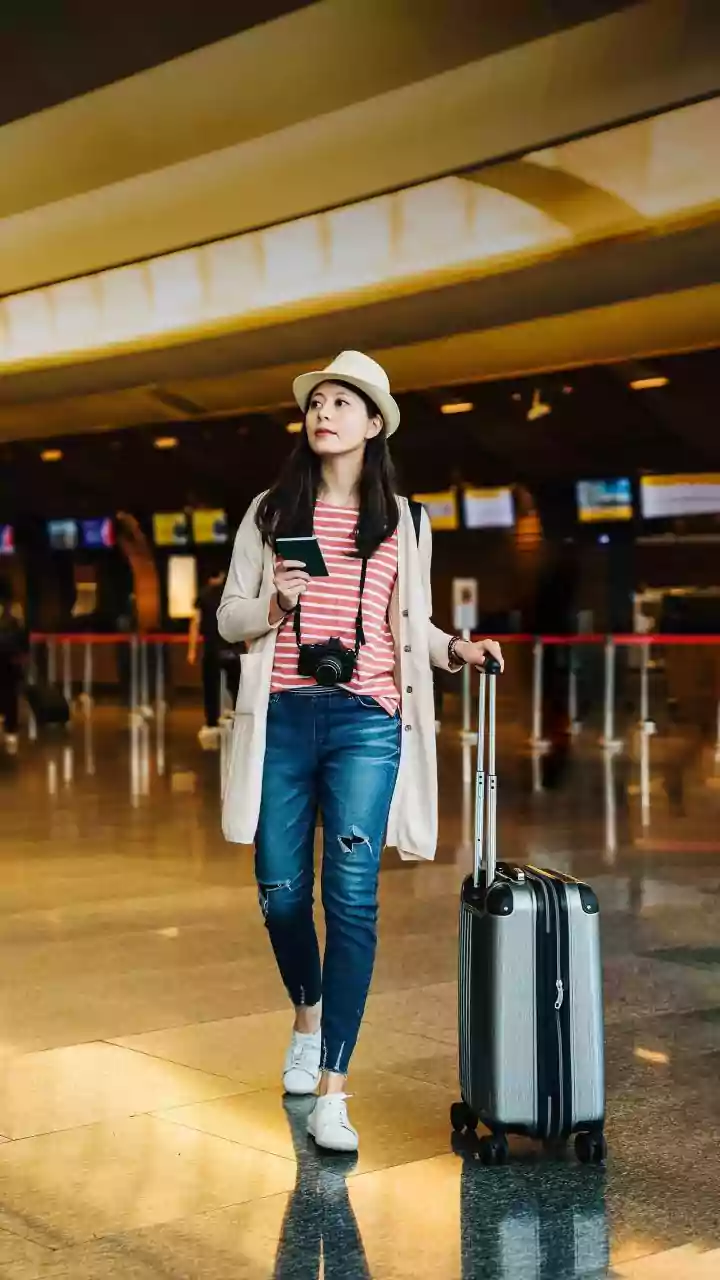
Modern travel is often dictated by a sense of obligation. The pressure to visit every landmark, taste every recommended dish, and capture the perfect photo for social media can turn a vacation into a stressful, box-ticking exercise. This phenomenon, sometimes
called 'tourist burnout', leaves travellers feeling drained and disconnected. We create detailed itineraries in an attempt to maximise our time, but in doing so, we often sacrifice the very thing we seek: a genuine experience. Instead of soaking in the atmosphere of a single neighbourhood, we're already plotting our route to the next museum. This rush prevents us from forming a real connection with a place. The goal becomes collection, not connection.
The Art of Lingering
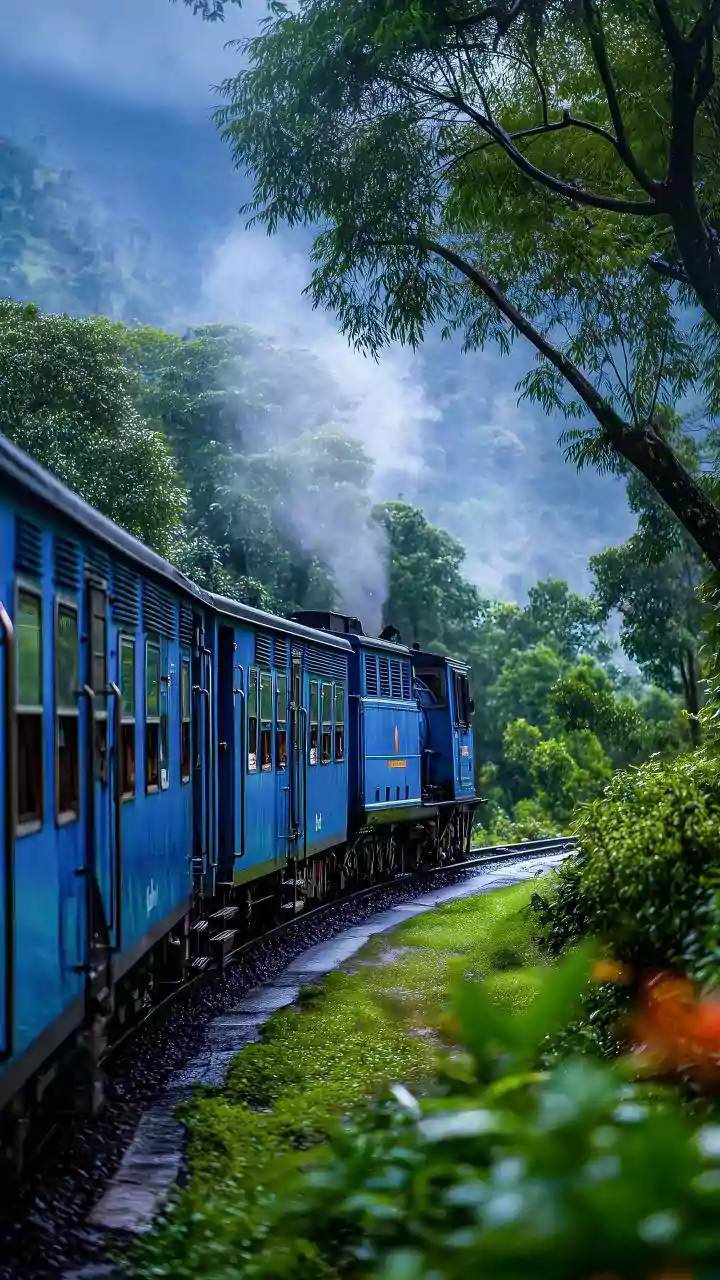
The antidote to this hurried approach is 'slow travel'. The philosophy is simple: stay in fewer places for longer periods. It’s about choosing to truly inhabit a space rather than just passing through it. By giving yourself permission to linger, you allow the rhythm of a place to reveal itself. Neuroscience even shows that when the brain isn't overstimulated by constant movement and new inputs, it can enter restorative states that enhance creativity and problem-solving. Instead of a whirlwind tour of five cities in a week, imagine spending that entire week in one town. You’d learn the baker's name, find the best bench in the local park, and notice how the light changes throughout the day. You move beyond the tourist veneer and start to see the place as it truly is.
Drawing and Writing What You See
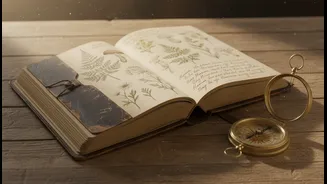
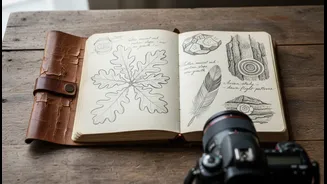
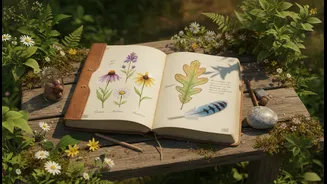
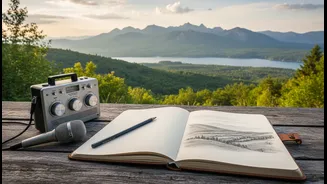
The headline's suggestion to draw and record is where slow travel transforms from a passive act to a deeply creative one. Keeping a travel journal or sketchbook forces you to observe your surroundings with an intensity that a quick photo can never replicate. When you decide to sketch a building, you're not just seeing a facade; you're noticing the texture of the stone, the angle of the roof, and the play of shadows. The act of drawing helps burn the scene into your long-term memory far more effectively than a fleeting glance. A journal becomes a space to document not just sights, but feelings, conversations, and the sensory details that make a memory rich. It’s a personal souvenir that captures the essence of your journey in a way no store-bought trinket can.
Listening to the Soundtrack of a Place
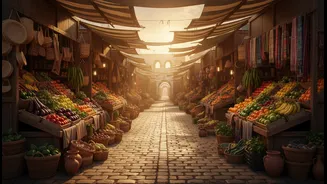
While drawing engages the eyes, listening and recording engage the ears, an often-overlooked aspect of travel. What does a city sound like? Is it the distant call to prayer, the chatter of a bustling market, the rhythmic crash of waves, or the laughter from a nearby cafe? Taking a few moments to simply close your eyes and listen can be a powerful form of mindfulness. For the more technically inclined, making simple audio recordings on your phone creates a unique auditory scrapbook. These soundscapes can transport you back to a moment with surprising immediacy. It’s about capturing the full sensory experience of a place, creating a richer and more personal record of your time there.
How to Start Your Slow Travel Journey
Embracing this style of travel doesn't require a radical change. Start small. On your next trip, resist the urge to fill every hour of your day. Schedule 'empty' time with no agenda other than to wander and see what you find. Instead of booking three different cities for a week-long trip, choose one as a home base and explore it deeply. Pack a simple, portable sketchbook and a pen. You don't need to be an artist; the goal is observation, not perfection. The act itself is what matters. You might even find that an open sketchbook invites conversation with curious locals, leading to the kinds of authentic interactions that hectic travel rarely allows.