





More Than a Pet-Owner Perk
The idea that pets are good for us is deeply ingrained. We see it in the joy of a dog greeting its owner or a cat purring on a lap. Much of the focus has been on the long-term bond of pet ownership, which is linked to benefits like increased physical
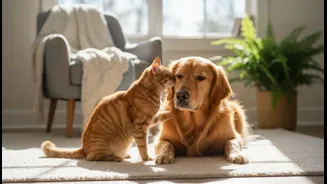
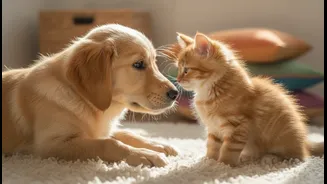
activity and lower blood pressure. However, a growing body of research is revealing a compelling twist: you may not need to own an animal to reap the psychological rewards. The focus is shifting from the title of 'pet owner' to the action of 'animal interactor'. This new perspective suggests that short, positive encounters with animals can provide significant, measurable boosts to our mental and emotional state. This insight democratises the benefits of the human-animal bond, making it accessible to everyone, regardless of their living situation, finances, or ability to care for a pet full-time.
The Science of a Single Pat
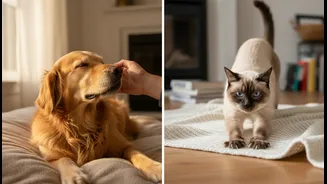
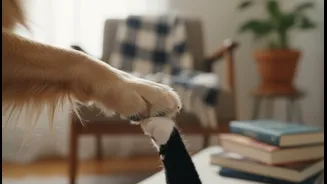
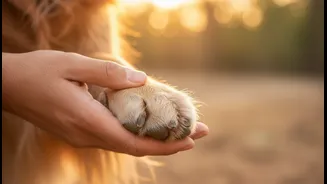
The evidence for the power of momentary contact is surprisingly robust. A landmark study from Washington State University provided clear physiological proof. Researchers found that just 10 minutes of hands-on interaction with cats and dogs led to a significant reduction in cortisol, the body's primary stress hormone, in college students. Participants who simply watched others pet the animals, or looked at pictures, did not experience the same effect. This demonstrates a causal link between physical contact and stress reduction. Other studies have reinforced these findings, showing that interacting with animals can increase levels of oxytocin, often called the 'love hormone', which is associated with bonding and stress relief. The simple, rhythmic act of stroking an animal can lower heart rate and blood pressure, creating a tangible sense of calm. These are not just feelings; they are real-time physiological changes happening in your body.
The Ownership Paradox
While pet ownership has many documented benefits, it's not a one-way ticket to happiness. The reality of owning a pet also includes significant responsibility, financial costs, and potential stress. Vet bills, training challenges, and the grief of losing a beloved companion are all part of the ownership experience. This is where the new research offers a liberating alternative. It acknowledges that for many, pet ownership is not feasible or desirable. It suggests we can decouple the benefits from the burdens. You can gain a mood boost and a moment of stress relief from interacting with a neighbour's friendly dog without the 15-year commitment. This doesn't diminish the profound bond between owners and their pets, but rather expands our understanding of how and why animals make us feel good. It reframes the human-animal connection as a spectrum of possible interactions, not an exclusive club for owners.
How to Get Your Momentary Fix
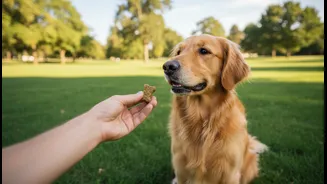
Integrating these small moments of animal interaction into your life can be simple and rewarding. The key is to be mindful and seek out opportunities that are already around you. If you don't have a pet, there are still plenty of ways to connect. You could offer to walk a friend's or neighbour's dog, which has the added benefit of exercise and social connection. Many communities have cat cafes where you can enjoy a coffee in the company of feline friends. Volunteering at a local animal shelter offers a structured way to interact with animals while also contributing to their welfare. Even passive interactions can help. Taking time to watch birds at a feeder or mindfully observing fish in a tank has been shown to have a calming effect. The research suggests that the door to animal-related wellbeing is open far wider than we previously thought; you just need to walk through it, even if only for a few minutes at a time.