





The Mindset: Pack Smart, Not More
The secret to conquering the 7kg limit isn't about leaving essentials behind; it's about making every single item earn its place. Most budget airlines are strict about this weight, which often includes your main bag and any personal item combined. Your
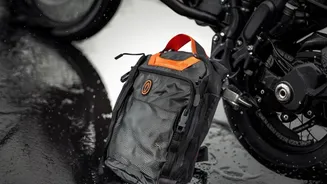
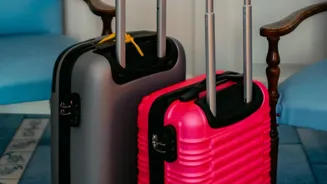
first step is a mental shift from packing for “just in case” scenarios to packing for what is likely. Your strategy rests on three pillars: choosing a lightweight bag, prioritising multi-purpose items, and mastering the art of layering. Start with a bag that weighs under 1.5kg, as a heavy suitcase can eat up a significant chunk of your allowance before you’ve even packed a single sock. A lightweight backpack is almost always a better choice than a hard-shell suitcase.
Your Seven-Day Rainy Weather Wardrobe
For a week-long trip, you don't need seven different outfits; you need a few versatile pieces that can be mixed, matched, and layered. Stick to a simple colour palette to ensure everything coordinates. Quick-drying fabrics like merino wool or high-quality synthetics are your best friends, as they are lightweight and allow you to wash items in a sink and have them dry overnight. A sample wardrobe could include: four tops (T-shirts or long-sleeves), two bottoms (like one pair of versatile trousers and one pair of quick-dry pants or shorts), one warmer mid-layer (like a fleece or merino wool sweater), and enough underwear and socks for the week. This core set of clothing should weigh around 1.5 to 2kg in total.
Essential Gear for Unpredictable Weather
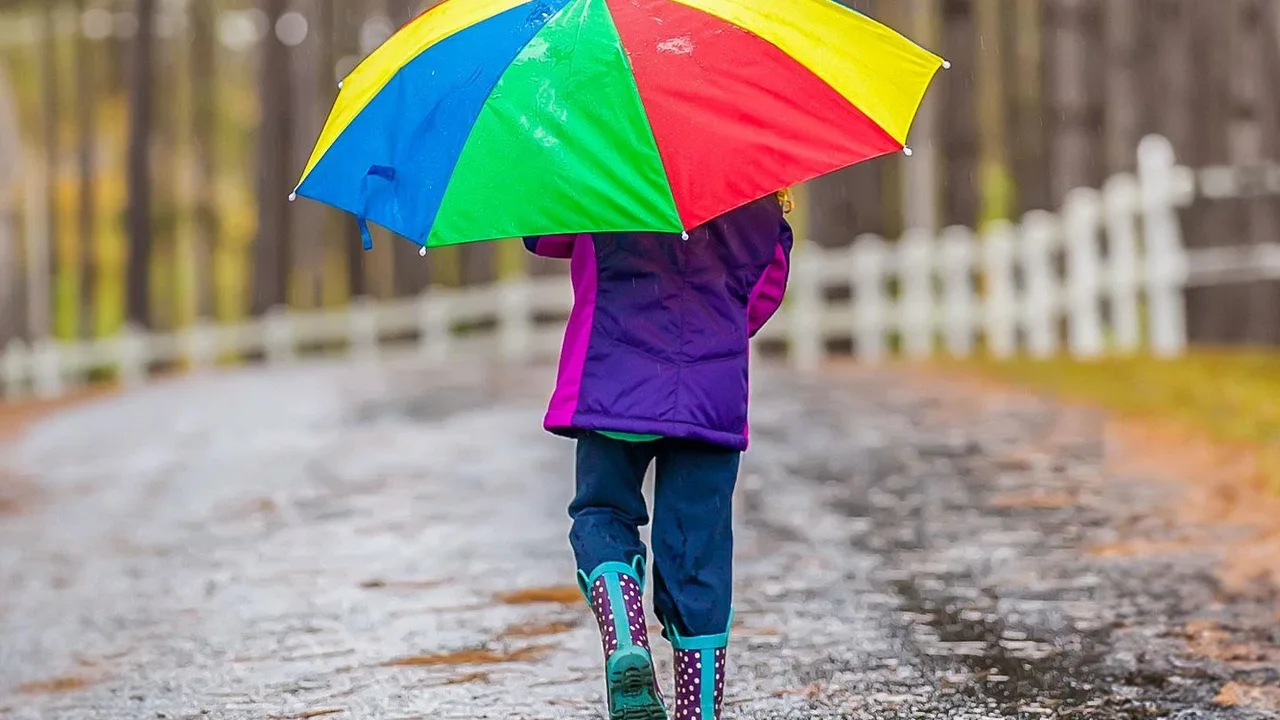
Rainy weather requires specific gear, but it doesn’t have to be bulky. Your most important item is a lightweight, packable rain jacket or windbreaker—one that can be compressed into a small pouch. This jacket will also double as a wind-resistant outer layer on dry but cool days. The next challenge is footwear. Shoes are notoriously heavy and bulky. Wear your heaviest, most comfortable pair of waterproof or water-resistant walking shoes on the plane. Pack only one other pair, such as lightweight sandals or flats. For toiletries, ditch the full-size bottles. Invest in solid toiletries like shampoo bars, conditioner bars, and bar soap to avoid the 100ml liquid limit and save weight. A quick-drying microfiber towel is another lightweight essential that packs down to almost nothing.
Downsizing Electronics and Toiletries
Electronics are silent weight killers. Unless you are on a work trip, leave the laptop at home. Your smartphone can handle photos, maps, and entertainment. Pack only the essentials: your phone, a power bank (under 100Wh), a charger, and a universal adapter if needed. Use a small pouch to keep all your cables and chargers organised. For toiletries, ruthlessly edit your kit down to the absolute necessities. Many items like lotion or shower gel can often be purchased at your destination for a low cost, saving you precious grams during the flight. This frees up weight for things you truly cannot replace.
The Final Pack: Techniques and Weigh-In
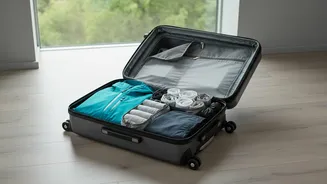
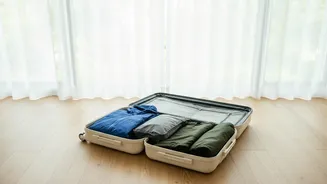
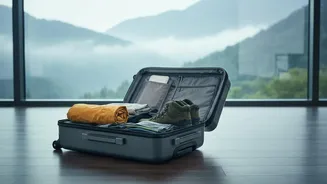
How you pack is as crucial as what you pack. Rolling your clothes tightly instead of folding them is a proven space-saver. Consider using packing cubes, which not only compress clothing but also keep your bag organised. Place smaller items like socks or underwear inside your packed shoes to fill empty space. Before you leave for the airport, perform a final weigh-in using a digital luggage scale. These are inexpensive and can save you from costly excess baggage fees at the gate. Aim to be around 6.5kg to leave a small buffer. And remember the golden rule: if it’s bulky, wear it on the plane. Your jacket, sweater, and heaviest shoes should be on your body, not in your bag, when you approach the check-in counter.