




The Soul of South India in a Powder
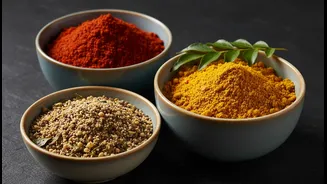
Before it became a chef’s darling, podi was—and still is—a cornerstone of South Indian home cooking. The name itself simply means ‘powder’ in several South Indian languages. But that simple name hides a world of complexity. Each podi is a unique blend
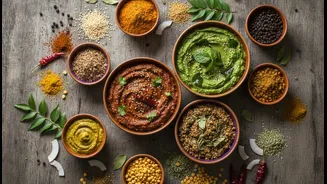
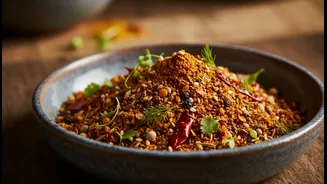
of slow-roasted lentils, seeds, chillies, and aromatic spices like curry leaves and asafoetida. Think of it as a dry, coarse chutney that adds instant texture and a deep, savoury warmth to anything it touches. Every family has its own signature recipe, a culinary heirloom passed down through generations. Traditionally, it’s mixed with ghee or sesame oil to create a spontaneous, explosive dip for breakfast staples like idli and dosa, or simply enjoyed with hot rice for a comforting meal.
From Kitchen Staple to Chef's Muse
So, how did this rustic pantry staple find its way onto the menus of chic cafes and fine-dining establishments? The answer lies in the broader culinary movement celebrating modern Indian food. Chefs across the country are looking inward, finding inspiration in regional ingredients and hyper-local flavours that have been overlooked by mainstream commercial cuisine. This movement is about honouring tradition while reinterpreting it for a contemporary palate. Podi fits this philosophy perfectly. It’s authentic, versatile, and packed with a complex flavour profile that can’t be easily replicated. Michelin-starred chef Garima Arora describes podi as a “flavour bomb,” her go-to for adding a new layer to a dish. This sentiment is echoed in progressive kitchens that see podi not just as a condiment, but as a building block for entirely new creations.
The Anatomy of a Gourmet Dip
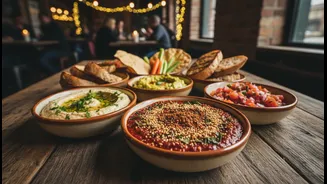
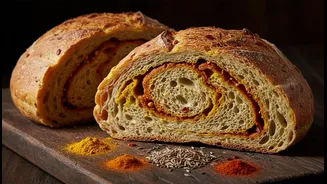
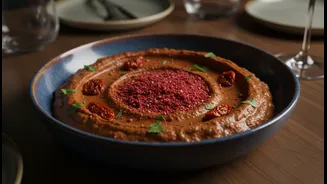
The most visible sign of podi’s elevation is its transformation into high-end dips. Forget the simple ghee and oil mixture; modern chefs are getting far more creative. Imagine a creamy Greek yogurt or labneh swirled with a fiery, nutty milagai podi (often called ‘gunpowder’), served with artisanal sourdough toast. Some menus feature podi-infused hummus, where the earthy notes of chickpeas are brightened by the toasted lentil spice blend. Another popular fusion is mixing podi directly into high-quality olive oil, creating a dip reminiscent of Italian bread dips but with a distinctly Indian soul. These creations work because they balance the familiar comfort of a creamy dip with the surprising, crunchy, and spicy kick of podi, turning a simple appetiser into a conversation starter.
More Than Just a Dip
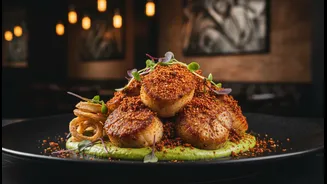
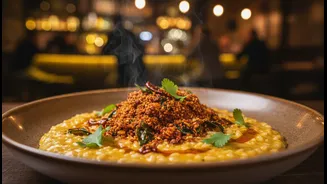
The trend doesn't stop at dips. Podi’s crunchy texture and savoury punch make it an incredibly versatile finishing dust. You can find podi-crusted paneer or chicken appetisers, where the spice blend forms a flavourful, crispy coating. French fries are getting an upgrade, tossed in gunpowder podi for a spicy, addictive snack that beats plain salt any day. Some chefs are creating podi butters to melt over steaks or grilled fish, while others are sprinkling it over avocado toast and even popcorn. This willingness to experiment shows a newfound confidence in Indian flavours, proving that traditional elements can be seamlessly integrated into global formats without losing their identity.
Why Podi, and Why Now?
The rise of podi is a reflection of a larger cultural shift. Indian diners are more curious and adventurous than ever, eager to explore the nuances of their own country's culinary heritage. Podi, with its deep roots in history and its immense regional variety, is a direct link to that heritage. For chefs, it’s a powerful tool that delivers flavour, texture, and a story in a single spoonful. Furthermore, the visual appeal of a brightly coloured podi sprinkled over a dish makes it highly ‘Instagrammable,’ a crucial factor in today’s food world. Ultimately, the journey of podi from a humble household powder to a gourmet ingredient is about celebrating authenticity. It’s a recognition that the most profound flavours are often the ones that have been hiding in plain sight all along.