



Between long workdays and packed schedules, finding time to cook is a common struggle for busy couples. This simple, twice-a-week batch cooking plan helps you reclaim your weeknights with healthy, home-cooked meals without the marathon prep session.
The Freedom of a Split-Week Plan
Traditional
Sunday meal prep can feel like a marathon, leaving you with five-day-old leftovers by Friday. A twice-a-week approach offers a smarter solution. By splitting your cooking into two manageable sessions, you get fresher food, more variety, and less pressure. A Sunday session sets you up for the first half of the week, while a quick Wednesday cook provides fresh options for the remaining days. This method prevents food fatigue and ensures meals eaten on Thursday and Friday are just as appealing as those on Monday. It’s about working smarter, not harder, in the kitchen.
Session One: The Sunday Foundation
Your first session is about creating the building blocks for the week. Dedicate about 90 minutes on Sunday to preparing components that can be mixed and matched. Focus on cooking a versatile grain like quinoa or brown rice, which stores well for several days. At the same time, roast a large sheet pan of sturdy vegetables like broccoli, bell peppers, and carrots. For protein, choose something that reheats well and can be used in different dishes, such as grilled chicken thighs, pulled pork, or baked tofu. Once cooked and cooled, portion these components into separate airtight containers. This ‘component cooking’ approach is the key to creating varied meals from a single prep session.
Session Two: The Wednesday Refresh
The mid-week cook should be short and strategic, lasting no more than 45-60 minutes. This session is designed to supplement your Sunday prep with fresh, quick-cooking elements. Think about pan-searing fish like salmon, sautéing delicate greens like spinach, or whipping up a quick pasta sauce or soup. This refresh not only introduces new flavours but also ensures you have appealing, fresh components for Thursday and Friday meals, avoiding the monotony of eating the same thing all week. You can also use this time to assemble lunches for the next two days, like mason jar salads, to make mornings even easier.
A Sample Twice-A-Week Menu
Here’s how this strategy might look in practice:
Sunday Cook:
- Batch cook 2 cups of quinoa.
- Roast a large tray of broccoli, sweet potatoes, and onions.
- Grill 4–6 chicken thighs and shred the meat.
Meals for Monday–Wednesday:
- Lunch: Quinoa bowls with roasted vegetables and shredded chicken.
- Dinner: Chicken and veggie wraps using whole–wheat tortillas and a simple sauce.
Wednesday Cook:
- Make a large pot of lentil and tomato stew.
- Hard–boil half a dozen eggs for snacks or breakfast.
Meals for Thursday–Friday:
- Lunch: Hearty lentil stew.
- Dinner: Leftover lentil stew on Thursday and a flexible 'clean out the fridge' meal on Friday, perhaps using remaining ingredients for a quick omelette or frittata.
Shop Smart and Store Smarter
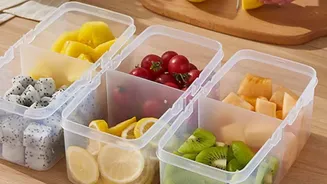
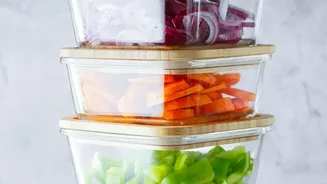
Success starts with a plan. Before shopping, outline your two cooking sessions and create a single, organized grocery list. To keep your prepped food fresh, proper storage is non_negotiable. Invest in quality airtight containers, preferably glass, as they don't stain or retain odours and can go from the fridge to the microwave. Allow all cooked food to cool down before sealing to prevent condensation, which can make food soggy. For meals planned later in the week (i.e., Thursday and Friday), consider freezing them right after your Sunday prep to ensure maximum freshness and food safety. Labeling containers with the contents and date is a simple step that saves guesswork later.
Divide, Conquer, and Connect
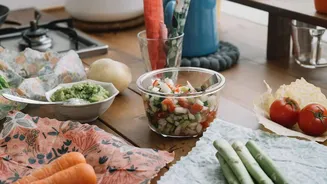
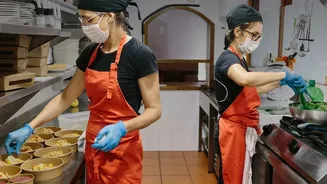
Turn this kitchen chore into quality time. Instead of one person shouldering the load, make batch cooking a team activity. One person can be on chopping duty while the other manages the stovetop and oven. Put on some music or a podcast and use the time to catch up on your day. Splitting the tasks not only makes the process faster and more efficient but also transforms it from a necessary evil into a shared, productive ritual. This collaborative approach can help reduce the 'mental load' often associated with meal planning and makes the entire system more sustainable for you both.