







The Downside of Deprivation
Focusing only on what to eliminate can be a recipe for failure. Psychologically, restrictive diets often increase stress and create a cycle of guilt and frustration. This rigid approach can lead to a preoccupation with food, intense cravings, and even
mood disturbances. Studies have shown that strict calorie or nutrient limitation can result in lower energy levels, poor sleep, and reduced concentration. When we label foods as "bad" or "off-limits," we give them more power, often leading to a rebound effect where we overindulge once the diet ends. This common cycle of restriction and regain can take a toll on mental health, fostering a sense of hopelessness instead of empowerment.
The Power of Addition
Instead of a subtractive mindset, consider an additive one. This strategy is often called the "crowding out" method. The idea is simple and positive: by focusing on adding more nutrient-dense foods to your meals, you naturally leave less room for less healthy options. You begin to fill up on foods rich in fibre, vitamins, and minerals, which increases satiety and can reduce cravings for processed foods, sugar, and unhealthy fats. This approach transforms the goal from one of deprivation to one of nourishment and abundance. It’s a gradual, more positive process that focuses on what you gain, not what you give up.
What to Add to Your Plate
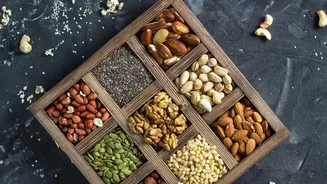
The key is to focus on variety and nutrient density. Every food group provides essential nutrients that our bodies need to function. Aim to incorporate a wide array of colourful fruits and vegetables, which are packed with vitamins, minerals, and antioxidants. Whole grains provide crucial fibre, which aids digestion and promotes a feeling of fullness. Don't forget healthy sources of protein like beans, lentils, nuts, seeds, and fish, which are the building blocks for everything from muscle to hormones. Research suggests that eating a wider variety of healthy foods is linked to better health outcomes and even a longer life. Think about adding, not just what food group, but what variety within that group.
Simple, Practical Additions
Making this shift doesn't require a complete overhaul of your kitchen. Start with small, manageable changes. If you enjoy yoghurt for breakfast, try adding a tablespoon of flax or chia seeds for extra fibre and omega-3s. Having pasta for dinner? Add a big handful of spinach to the sauce or serve it with a large side salad. Instead of focusing on not drinking soda, focus on drinking more water, perhaps infused with fruit for flavour. The guiding principle is to "eat what you want, and add what you need." This allows you to enjoy your favourite foods while still boosting the overall nutritional quality of your meal.
Building a Sustainable Habit
The beauty of an inclusion-focused approach is its sustainability. Because no foods are strictly forbidden, it helps cultivate a healthier, more flexible relationship with food. This method avoids the all-or-nothing mentality that causes many diets to fail. Long-term health changes come from habits, not temporary rules. By focusing on consistently adding nourishing foods, you gradually shift your palate and preferences. You might find that you naturally start craving healthier options because you feel better when you eat them. This positive reinforcement is far more powerful and lasting than the negative cycle of restriction and guilt.