








A Well of History in Tenkasi
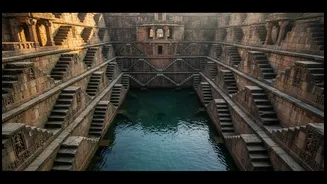
Archaeologists are celebrating a remarkable and unprecedented find in Karivalamvandanallur, near Tenkasi: the first-ever brick stepwell from the Sangam period ever to be unearthed in Tamil Nadu. Excavators from the state archaeology department revealed
a square-shaped structure, measuring four by four metres, with stone steps descending into it. The design and materials speak volumes about the past. The bricks, measuring 40cm by 20cm with a 7cm thickness, are consistent with those found at other major Sangam-era sites like Keeladi and Alagankulam, confidently placing the structure in that historical period. Experts believe this well demonstrates sophisticated water management on what was once an ancient trade route connecting Madurai to the west coast. The wear on the stone steps suggests it was used for a very long time, serving as a vital water source for a thriving community.
More Than Just Bricks and Water
The Tenkasi site is yielding more than just the stepwell. The surrounding area, which historical records note was a place where Roman gold coins were found in the 1930s, is proving to be a treasure trove. Excavators have discovered a variety of artifacts that paint a picture of a complex society. Among the key finds are high-tin bronze objects, iron implements, and evidence of iron production, indicating local manufacturing. They have also unearthed terracotta figurines, glass beads, and hopscotches used for games, offering a glimpse into daily life and leisure. One of the most striking discoveries is a red-slipped pot decorated with a series of peacocks, which may have been used for skeletal remains, pointing to specific burial rituals. Together, these finds suggest the site was inhabited continuously from the microlithic period through the Iron Age and into the early historic period.
The Keeladi Connection
This new discovery doesn't exist in isolation. It is part of a larger archaeological narrative that has been gaining momentum since the groundbreaking excavations at Keeladi, near Madurai. Keeladi revealed evidence of a sophisticated, literate, and industrialized urban settlement on the banks of the Vaigai river, flourishing as early as the 6th century BCE. Findings like brick structures, drainage systems, and thousands of artifacts fundamentally challenged and pushed back the accepted timeline for urban civilization in the Tamil region. The discovery at Tenkasi, with its similar brick style and Sangam-era dating, reinforces the Keeladi findings. It demonstrates that the advanced urban culture identified at Keeladi was not a solitary phenomenon but part of a widespread, interconnected network of settlements across the Tamil landscape.
A Statewide Unearthing
The work at Karivalamvandanallur is one of several major excavations currently active across the state. The Tamil Nadu State Department of Archaeology is conducting digs at eight sites this year, including the eleventh phase at Keeladi, Vembakottai, and Adichanallur. Each site contributes a unique piece to the puzzle. At Vembakottai in Virudhunagar district, for instance, archaeologists have found thousands of glass beads, conch bangles, and, significantly, fragments of 'torpedo jars'. These jars were used in the Roman and West Asian regions to transport liquids like olive oil and wine, providing concrete evidence of ancient maritime trade between the Tamil country and the wider world. This concerted, multi-site effort is part of a deliberate push to scientifically reconstruct the history of the region from its own landscape.
What This Means for Tamil Identity
These archaeological moments are about more than just history; they are deeply intertwined with cultural identity and pride. For decades, the richness of ancient Tamil life was known primarily through Sangam literature. Now, material evidence from sites like Keeladi and Tenkasi is providing physical proof that corroborates and expands upon these texts. The findings point to a secular, literate, and trade-oriented society with advanced manufacturing and engineering skills that existed centuries earlier than previously thought. This has fueled a powerful narrative about the antiquity and sophistication of Tamil civilization, with many advocating for India's history to be re-examined and rewritten from a southern perspective. While debates over interpretation continue, the soil itself keeps offering new facts, building an undeniable case for a remarkable and ancient past.