


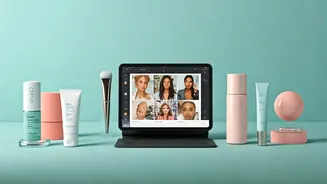



The New Beauty Capitals
For decades, the beauty industry's focus was firmly on India's metropolitan hubs. But the map is being redrawn. Today, the most significant growth and exciting trends are emerging from cities like Jaipur, Lucknow, Coimbatore, and Guwahati. E-commerce
giants report that a massive portion of their growth is now fuelled by shoppers from Tier-II and Tier-III cities. According to a recent report from Flipkart, two out of every three beauty-related searches on its platform now originate from non-metro markets, with cities like Cuttack, Gorakhpur, and Jamnagar leading the charge. This isn't just a trend; it's a fundamental restructuring of the consumer landscape, where aspiration and access have finally converged. More than 50% of Amazon India's demand for premium beauty now comes from these cities.
Drivers of the Digital Revolution
This shift is powered by a potent combination of factors. The first is the deep penetration of affordable smartphones and high-speed internet, which has put a virtual mall in every pocket. The second is the rise of e-commerce platforms, which have solved the access problem that once plagued smaller towns. A shopper in Patiala or Thrissur now has the same access to global brands as someone in Mumbai. This is supercharged by the influence of social media and regional content creators, who make global trends feel local and relatable. These influencers provide authentic reviews and tutorials in vernacular languages, building trust and driving discovery in ways traditional advertising cannot.
From Global Trends to Local Needs
So, what do these newly empowered shoppers want? Their preferences are sophisticated and specific. While they are aware of global trends like K-beauty, they are not simply copying them. Instead, they are adapting them. There's a clear move away from heavy, cakey makeup towards more natural looks and a 'skin-first' philosophy. This has fueled a demand for hybrid products that blend skincare and makeup, such as foundations with SPF or serums with a hint of tint. Furthermore, there is a growing demand for 'PIN code beauty'—products tailored to hyperlocal factors like climate and water quality, such as barrier repair creams in dry Rajasthan or anti-humidity formulas for coastal regions. Brands are also seeing that if nude lipsticks are trending, the trend is now popular across all tiers, not just metros.
How Brands Are Responding
Beauty brands, both large and small, are racing to keep up. The most successful ones are those that are listening intently to these consumers. This means expanding beyond physical stores in metros and doubling down on e-commerce. Amazon India, for instance, is adding over 100 new global brands this year to cater to this demand. It also involves changing marketing strategies. Brands are increasingly partnering with regional influencers and creating content in local languages. Even product development is being influenced, with a greater focus on creating science-backed, ingredient-led formulations and expanding shade ranges to suit a wider diversity of Indian skin tones. The men's grooming category in particular has seen explosive growth of up to 65% as men in smaller cities incorporate skincare and wellness into their daily routines.