


A Return to Authentic Flavours
For many, the taste of a specific pickle is a direct line to childhood memories and the reassuring comfort of a grandmother's cooking. This sense of nostalgia is a powerful driver behind the current trend. In a world of mass-produced foods, consumers
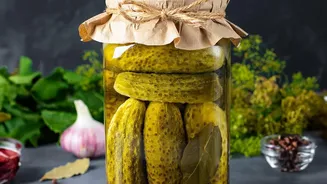
are increasingly seeking authenticity and a connection to their roots. Artisanal pickles, often based on heirloom recipes passed down through generations, offer a tangible link to regional and family heritage. Each jar tells a story, whether it's the fiery 'Avakaya' from Andhra Pradesh or the pungent 'Kasundi' of Bengal, reflecting local ingredients and climate. This desire for genuine, traditional tastes is pulling pickles out of the occasional-treat category and placing them firmly on the daily dining table.
The Health-Conscious Consumer
The shift is also fuelled by a growing awareness around health and wellness. Consumers are actively reading labels and turning away from products with artificial preservatives and additives. A 2025 report highlighted that 55% of Indian consumers now prioritize preservative-free snacks. Traditional, naturally fermented pickles fit perfectly into this 'clean-label' movement. These pickles use salt, oil, and spices for preservation, and the fermentation process can produce beneficial probiotics that aid digestion and boost immunity. As people look for foods that are not only tasty but also functional, the humble 'achar', with its natural ingredients and perceived health benefits, becomes a far more attractive daily condiment than its factory-made counterparts.
The Rise of the Homepreneur
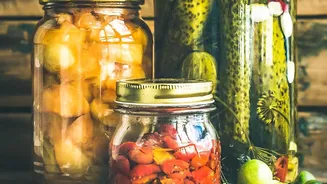
Technology has empowered a new wave of entrepreneurs, many of them women, to turn their culinary skills into viable businesses from their own kitchens. Platforms like Instagram and WhatsApp have become virtual storefronts, allowing small-batch producers to reach a wide audience without the need for heavy investment in retail space. This has led to an explosion of small, home-based brands specializing in unique and regional pickles. These 'homepreneurs' often focus on quality, using fresh, locally sourced ingredients and sustainable packaging like glass jars, which appeals to environmentally conscious buyers. Stories of these businesses, sometimes starting with just a few thousand rupees and growing into successful enterprises employing local women, have further romanticized and popularized the artisanal pickle movement.
An Expanding Palate
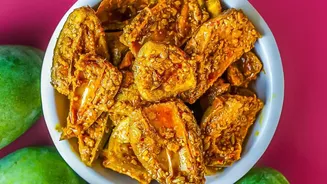
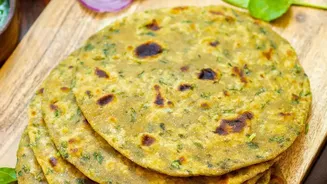
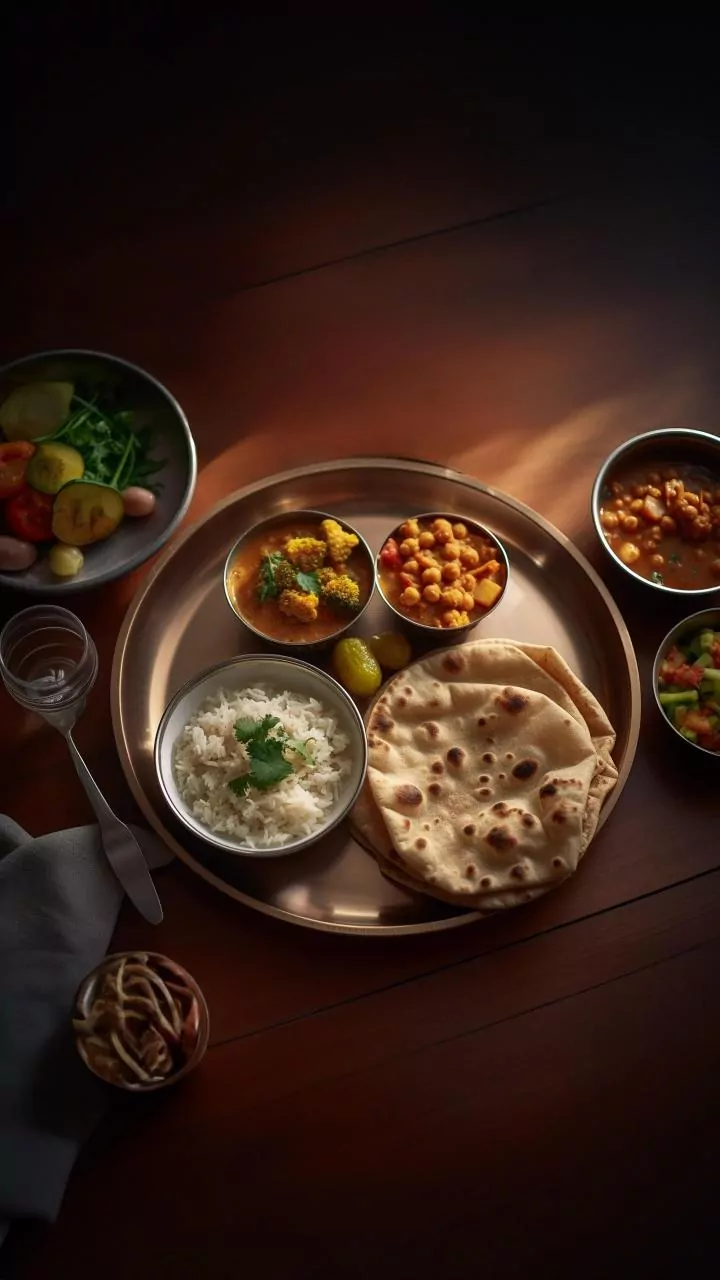
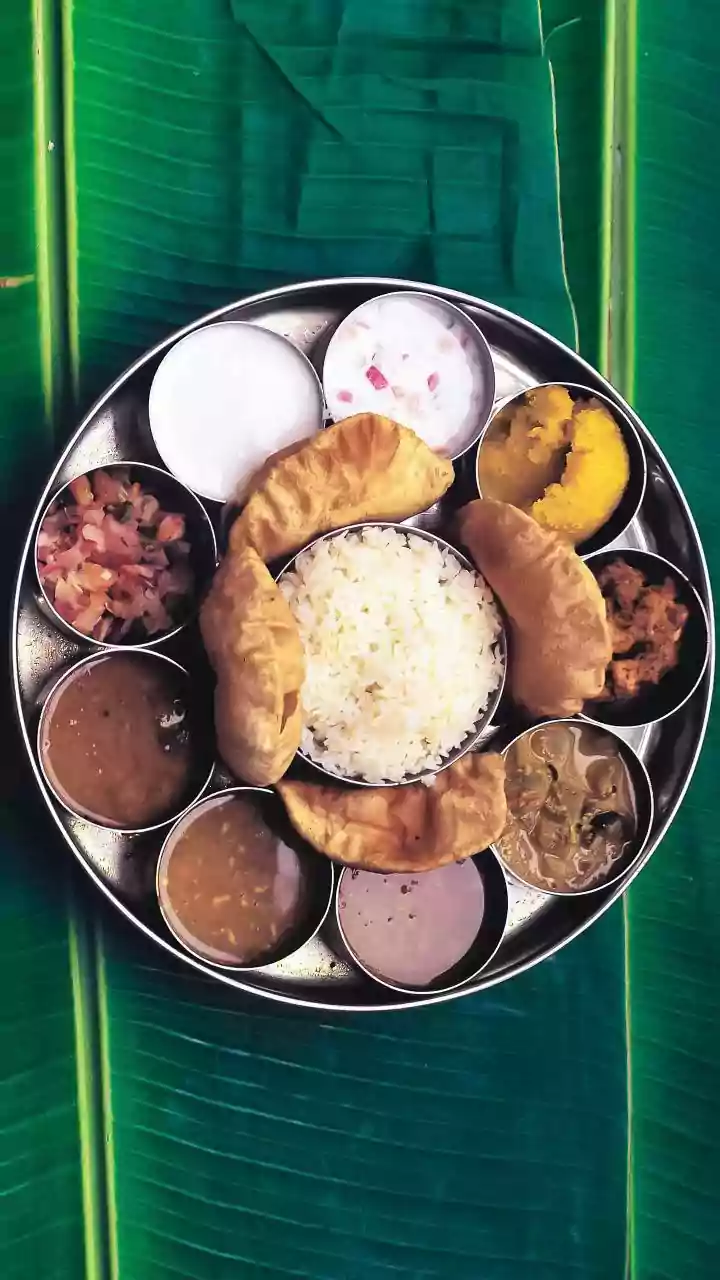
While mango pickle remains a national favourite, consumers are becoming more adventurous, eager to explore the vast culinary diversity India has to offer. Social media food bloggers and influencers have played a huge role in showcasing hyper-regional specialties that were once unknown outside their places of origin. Now, it's possible to order a fiery 'Bhoot Jolokia' (ghost pepper) pickle from Assam, a sour 'Gongura' pachadi from Telangana, or a unique 'Lingri' pickle from the Himalayas with just a few clicks. This easy access has transformed the pickle from a simple accompaniment into a point of culinary exploration, encouraging people to experiment with different flavours in their everyday meals, pairing them with everything from rice and dal to sandwiches and flatbreads.