




Why Marks Alone Aren't Cutting It
For decades, the path to a promising future was paved with high marks and top exam rankings. Today, that path is far more crowded. With a growing number of graduates, recruiters and admissions officers face a sea of candidates with similar academic records.
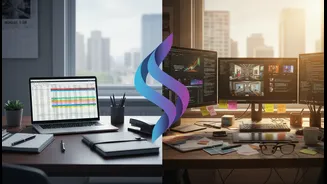
A resume can list your qualifications, but it doesn't prove your capabilities. This has created a demand for something more tangible—proof of work. Employers and universities now want to see what you have actually done, how you think, and what you can create. This is where a portfolio transforms a student from a name on a list to a memorable candidate. It tells a story that grades alone cannot.
What Exactly Is a Student Portfolio?
Think of a portfolio not as a folder of certificates, but as your personal professional story. It's a curated collection of your best work, projects, and experiences that demonstrate your skills in action. Unlike a resume, which is a brief summary, a portfolio provides the evidence. It might include academic projects, research papers, creative writing, artwork, code repositories, or documentation of volunteer work. It’s a living document that showcases your growth, your ability to solve problems, and your passion for your chosen field. For creative professionals, it’s long been the standard, but now students in all fields—from engineering to business—are adopting them.
The Key Ingredients of a Winning Portfolio
A strong portfolio is diverse and provides a holistic view of your abilities. Quality over quantity is the rule. Start by including 3-5 of your best, well-documented projects. For each project, explain the objective, your specific role, the process you followed, and the outcome. Key items to include are: academic projects that you excelled in, internships or freelance work with real-world impact, technical skills demonstrated through platforms like GitHub for coders or Behance for designers, leadership roles in clubs or events, and any awards or recognitions you've received. Don't forget to include reflections on what you learned from each experience.
Going Digital: Your Portfolio in the Cloud
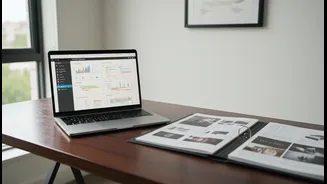
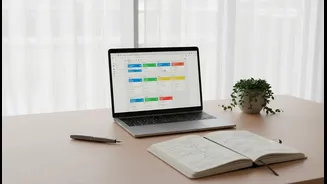
While a physical binder has its place, the modern portfolio is overwhelmingly digital. A digital portfolio can be a personal website, a detailed LinkedIn profile, or a collection on a dedicated platform. Digital formats allow you to include multimedia elements like videos, audio clips, and interactive presentations, making your work more engaging. Platforms like Google Sites, Canva, and Notion offer user-friendly tools to build a polished portfolio for free or at a low cost. The biggest advantage is shareability; a simple link in your resume or application can give recruiters instant access to your body of work, making you stand out in a pile of digital applications.
How Portfolios Make a Real Difference
In a competitive market, a portfolio does one crucial thing: it differentiates you. It provides concrete evidence of the skills you claim to have, building trust with potential employers or admissions committees. For students with limited formal work experience, a portfolio filled with strong academic and personal projects can effectively bridge the gap. It shows initiative, passion, and a commitment to your field that goes beyond classroom requirements. Recruiters are more likely to engage with a candidate who can demonstrate their skills rather than just list them. Ultimately, it shifts the conversation from "what did you study?" to "what can you do?"