





From Aesthetics to Longevity
For years, the primary fitness driver for young people was aesthetics—building muscle, losing weight, or achieving a specific look. But a new wellness philosophy is taking hold. It’s not about how you look today, but how you’ll feel and function in thirty
or forty years. This proactive mindset moves beyond the idea of ‘anti-ageing,’ which often focuses on superficial appearance, and embraces ‘healthy ageing,’ a holistic approach concerned with maintaining mobility, cognitive function, and overall vitality for as long as possible. The goal is to extend one's ‘healthspan,’ the period of life spent in good health, not just the lifespan. This generation, armed with more information than any before it, is realising that the habits they build in their 20s and 30s are a direct investment in their 60s and 70s.
Why the Sudden Interest?
Several factors are fuelling this trend. The global pandemic served as a stark reminder of our physical vulnerability, accelerating a collective interest in preventative health. Many young professionals, living sedentary lives hunched over laptops, are already experiencing the early onset of back pain, stiff joints, and chronic stress—ailments they once associated with their parents' generation. Furthermore, the global wellness industry, amplified by social media, has popularised concepts like bio-hacking and long-term health optimisation. Influencers and wellness gurus are no longer just showcasing intense workouts; they're talking about nervous system regulation, joint stability, and sustainable practices. For young Indians, who are navigating high-pressure careers and an increasingly complex world, the promise of a practice that builds resilience from the inside out is deeply appealing.
What 'Healthy Ageing' Yoga Looks Like
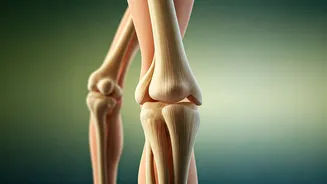
So, what exactly happens in a class geared towards healthy ageing? It’s less about mastering pretzel-like poses and more about foundational wellness. The focus shifts from dynamic, fast-paced vinyasa flows to practices that prioritise joint health, spinal alignment, and balance. You’ll find an emphasis on mobility drills to keep hips, shoulders, and ankles supple. Restorative poses, held for longer periods using props like bolsters and blocks, are used to calm the nervous system and release deep-seated tension. Pranayama (breathing exercises) becomes a cornerstone of the practice, teaching students how to manage stress and improve respiratory function. Instructors report that younger clients are now asking specific questions about postures that can counteract ‘tech neck’ or exercises that can protect their knees for future decades of activity. It’s a deliberate, mindful approach to movement.
A Shift in Wellness Culture
This trend isn't happening in a vacuum. It reflects a broader maturation of India’s wellness culture. The initial boom in yoga was often tied to its physical benefits, making it another form of exercise. Now, a deeper understanding of its holistic power is filtering through. Yoga is being reclaimed as a comprehensive system for well-being that includes mental, emotional, and physical health. Studios are responding by offering more specialised workshops on topics like ‘Yoga for Joint Health’ or ‘Stress and Anxiety Management through Breathwork,’ which are drawing surprisingly young crowds. This foresight suggests a generation that is not just reacting to health problems but actively architecting a healthier future for themselves, one mindful breath at a time.