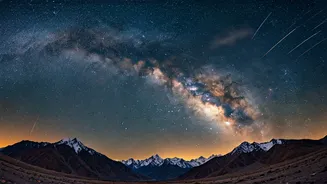




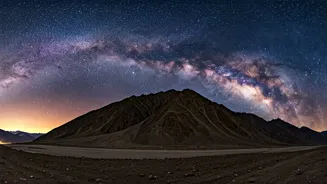


A Celestial Downpour Over the Himalayas
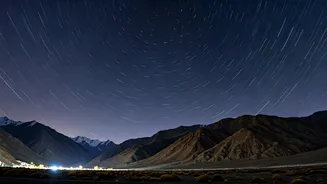
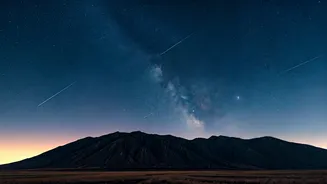
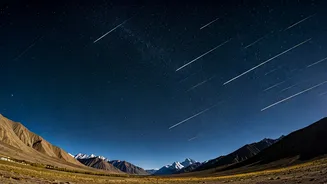
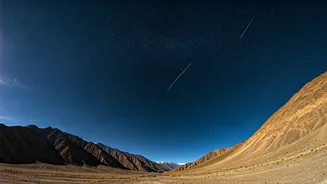
The primary reason for the buzz is the Southern Delta Aquariid meteor shower, which is set to peak around July 30, 2026. While not as famous as the Perseids in August, the Delta Aquariids offer a steady stream of meteors, with rates of up to 20 per hour
under ideal conditions. This celestial event, caused by debris from comets Marsden and Kracht, creates a magical display as shooting stars streak across the night. The shower rambles along for several days, providing a lengthy window for viewing. However, there is a catch this year: the peak coincides with a nearly full moon, which can wash out fainter meteors. This makes choosing a viewing location with exceptionally dark skies—like Ladakh—more critical than ever.
Ladakh: Earth’s Natural Observatory
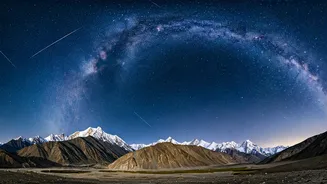
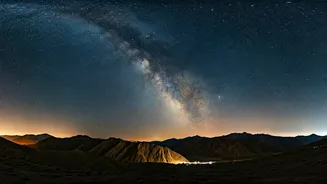
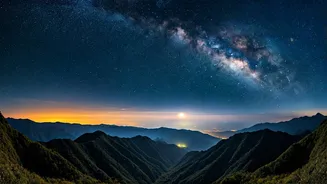
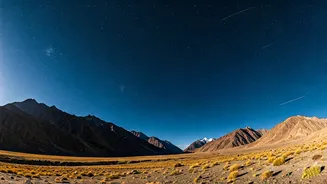
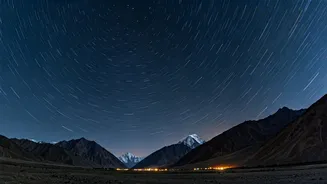
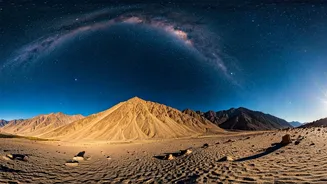
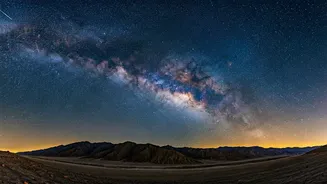
So, why travel all the way to Ladakh? The region's unique geography makes it one of the best places on the planet for stargazing. Its high altitude, with many areas exceeding 10,000 feet, means the atmosphere is thin, reducing the atmospheric distortion that makes stars twinkle and blur. The dry, cold desert climate results in very little humidity or cloud cover, especially in July, which is a rain shadow month. Most importantly, its remoteness translates to minimal light pollution. In places like the Hanle Dark Sky Reserve, the sky is so dark that the Milky Way is visible with stunning clarity to the naked eye, appearing as a brilliant arc across the heavens.
Prime Locations for Stargazing
While almost anywhere outside of Leh town offers great views, some spots are legendary among astronomers. Hanle is the crown jewel. As India’s first notified Dark Sky Reserve, it is home to the Indian Astronomical Observatory and offers professionally dark skies. Reaching it requires a permit and a long drive, but the reward is an unparalleled cosmic view. Other excellent options include the high-altitude lakes of Pangong Tso and Tso Moriri. Camping near these serene water bodies allows you to see the stars reflected on the surface, creating a surreal, mirror-like effect. For those seeking more accessible spots, the Nubra Valley and the 'Moonland' landscapes of Lamayuru also provide fantastic stargazing opportunities with less travel.
Planning Your High-Altitude Adventure
A trip to Ladakh in July, a peak tourist month, requires some planning. Flights to Leh should be booked well in advance, as should accommodations. The most critical factor is acclimatisation. Upon arrival in Leh (altitude 11,500 feet), you must rest for at least 24-48 hours to allow your body to adjust to the lower oxygen levels before venturing higher. Drink plenty of water and avoid strenuous activity on the first day. For visiting areas like Hanle, Pangong, and Nubra Valley, you'll need an Inner Line Permit, which can be arranged in Leh. Pack in layers: warm jackets, thermals, and gloves are essential as night temperatures can drop to around 7°C even in summer.
More Than Just the Night Sky
While the meteor shower may be the main event, a trip to Ladakh is a rich experience in itself. The dramatic landscapes of stark mountains, deep blue lakes, and winding roads are a photographer's dream. During the day, you can explore ancient monasteries perched on hillsides, like those in Lamayuru and Diskit, or experience the unique culture of the region. Adventure lovers can indulge in river rafting on the Zanskar or ride the famous double-humped Bactrian camels in the sand dunes of Nubra Valley. The combination of daytime adventure and night-time celestial wonder makes for an unforgettable journey.