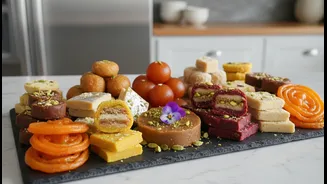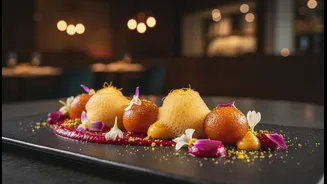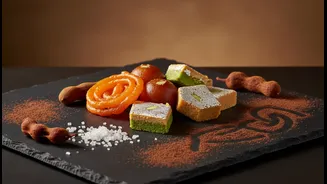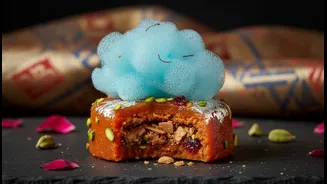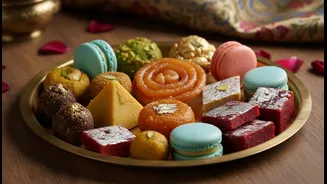






A Shift in the Indian Palate
The one-note, often overwhelmingly sweet profile of traditional mithai is giving way to a more nuanced and sophisticated experience. This evolution is driven by a changing Indian consumer who is more health-conscious and globally exposed. People are looking
for indulgence without the guilt, seeking out options that are lower in sugar or use natural sweeteners like jaggery and dates. This has created the perfect environment for innovation, where chefs and modern 'halwais' feel empowered to experiment. The goal is no longer just sweetness, but a balance of flavours that excites the palate in new ways. This shift is moving mithai from a purely festive purchase to an everyday luxury.
The Savoury Revolution
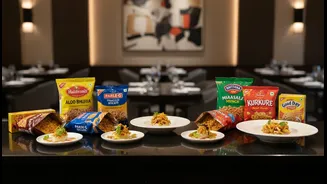
Perhaps the most surprising development is the introduction of explicitly savoury ingredients. While spices like cardamom and saffron have always been present, the new wave incorporates elements once unthinkable in a sweet box. We're seeing mithai featuring baked cheese, spicy chilli, and umami-rich notes. For example, Genda Phool, a contemporary mithai brand, offers items like Baked Oregano Cheese Matthi, blurring the lines between a sweet treat and a gourmet snack. This move towards savoury is not about eliminating sweetness but about creating a more complex and satisfying flavour profile. It's a culinary dialogue where the saltiness of cheese or the gentle heat of a spice elevates the traditional base, making for a memorable bite that lingers.
An Aromatic Awakening
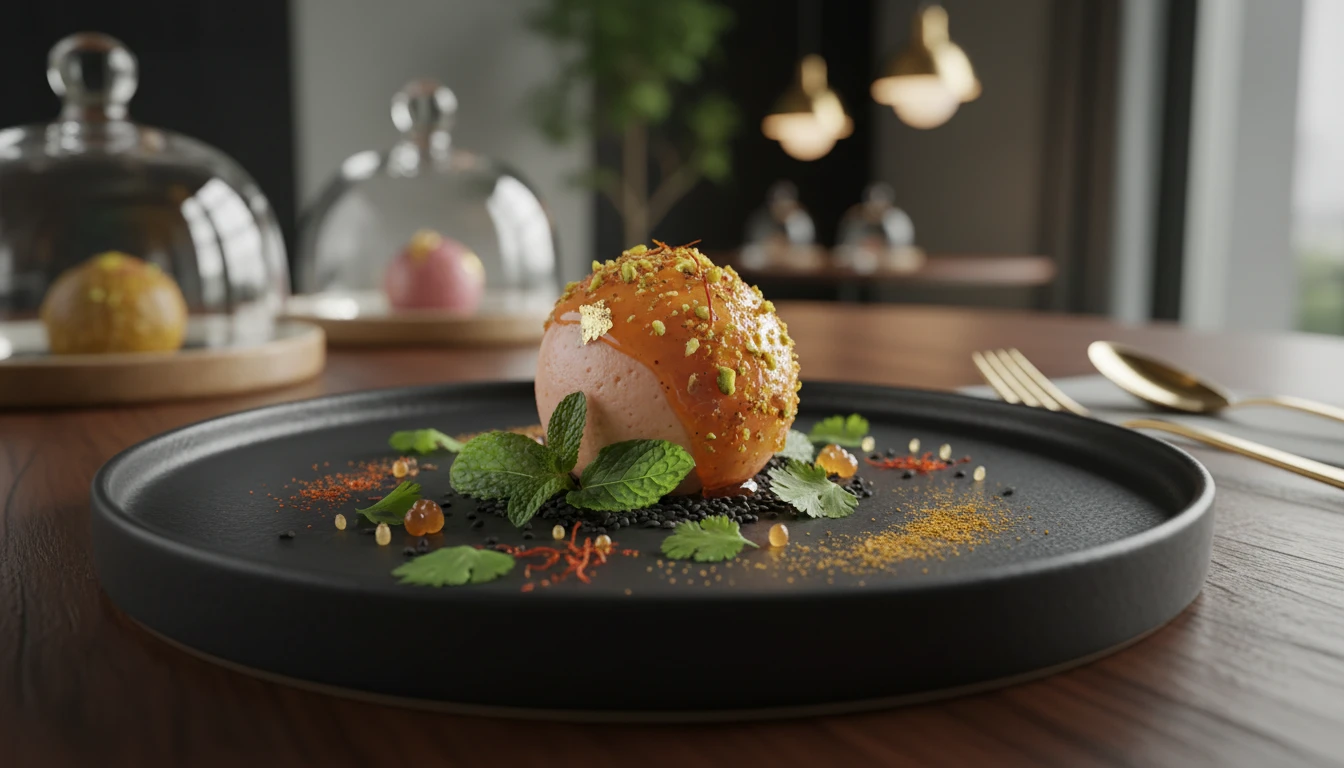
Alongside savoury notes, there is a growing emphasis on aromatic ingredients that provide flavour through scent as much as taste. Florals, herbs, and global teas are finding their way into laddoos and barfis. Think of lavender, hibiscus, or the distinct notes of Earl Grey tea infused into a milk-based sweet. Chef Surbhi Sahni of Tagmo in New York infuses her creations with fragrant rosewater and cardamom, balancing them with fresh nuts. These aromatic additions provide a lighter, more refreshing counterpoint to the richness of traditional mithai ingredients like ghee and khoya. The result is a dessert that feels both modern and timeless, appealing to those who appreciate subtlety and complexity in their food.
The New Guard of Mithai Makers
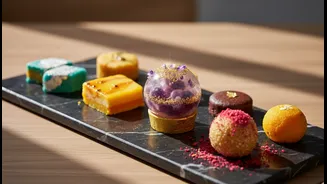
This trend is championed by a new generation of chefs and entrepreneurs who are passionate about preserving Indian culinary heritage while pushing its boundaries. Brands like Bombay Sweet Shop have become famous for their playful and imaginative creations, such as reimagining a Patissa bar or a Kaju Bon Bon with chocolate. Similarly, MasterChef Ajay Chopra's Kshir & Canelé was founded to marry Indian mithai with French pastry techniques and global flavours. These innovators are often trained in international pastry, like Chef Tejasvi Chandela, who uses her Le Cordon Bleu education to deconstruct and modernise classics like Soan Papdi and Ghevar. They are restoring the 'lost respect' of Indian sweets by using premium ingredients and innovative techniques.
Tradition, Reimagined Not Replaced
It is crucial to note that this movement is not about abandoning tradition, but building upon it. The best modern mithai honours the original recipes and techniques that have been passed down through generations. The artistry of making a perfect laddoo or the technical skill required for a flaky Patisa remain the foundation. What’s new is the willingness to ask, 'what if?'. What if a barfi had the bitterness of dark chocolate? What if a laddoo was infused with citrus? By adding these new layers of flavour and texture, these culinary artists are ensuring that mithai remains relevant and exciting for a new generation of food lovers, transforming it into a dynamic and evolving art form.