



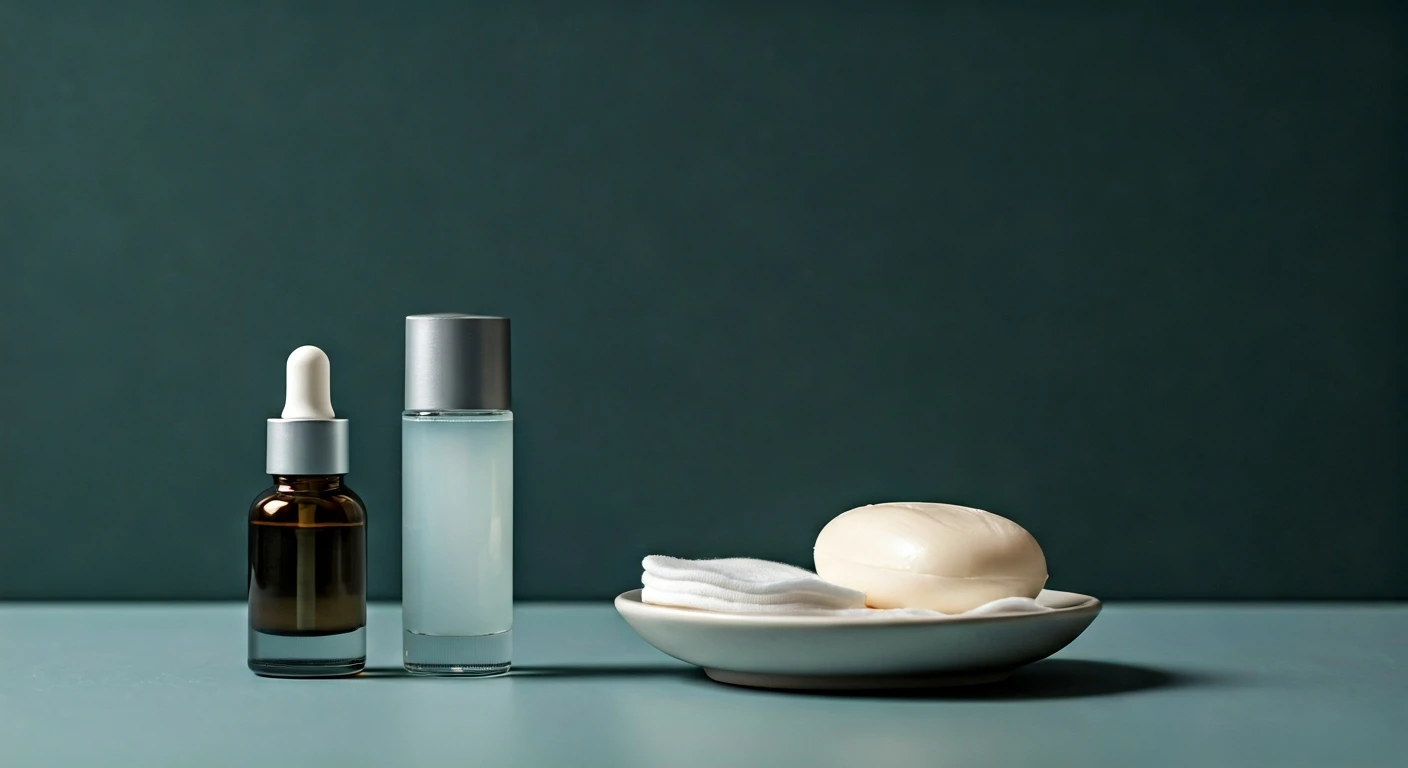


Cleanse Thoroughly, But Gently
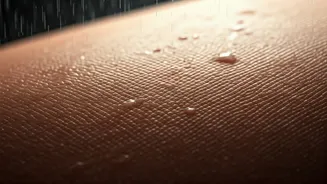
High humidity means more sweat, which mixes with oil and environmental pollutants, creating a perfect recipe for breakouts. During the monsoon, it's crucial to cleanse your face twice daily to remove this buildup. Opt for a gentle, soap-free, or non-comedogenic
cleanser that cleans without stripping your skin's natural protective barrier. For those with oily or acne-prone skin, cleansers containing a small amount of salicylic acid can be particularly effective at keeping pores clear. However, avoid harsh scrubs, as these can irritate skin that's already vulnerable.
Switch to a Lightweight Moisturiser
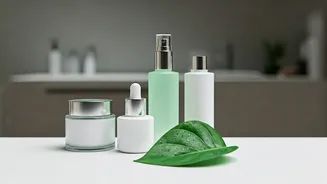
It feels counterintuitive to moisturise when the air is already damp, but skipping this step is a mistake. High humidity can disrupt your skin's barrier, leading to a strange combination of oiliness and dehydration. Instead of your usual heavy cream, switch to a lightweight, non-comedogenic, and oil-free formula. Gel-based or water-based moisturisers with ingredients like hyaluronic acid are excellent choices. They provide necessary hydration without adding to the greasy feeling or clogging pores.
Don't Skip Sunscreen on Cloudy Days
One of the biggest monsoon skincare myths is that you don't need sunscreen when it's cloudy or raining. However, up to 80% of the sun's harmful UV rays can penetrate cloud cover. These rays are a primary cause of premature ageing, hyperpigmentation, and skin damage. To protect your skin, continue to use a broad-spectrum sunscreen with at least SPF 30 every single day. Look for a non-greasy, water-resistant formula to withstand the humidity and potential rain.
Incorporate Gentle Exfoliation
With increased oil and sweat, dead skin cells are more likely to get trapped and clog pores, leading to dullness and breakouts. Gentle exfoliation is key to managing this. Once or twice a week, use a mild chemical exfoliant containing Alpha Hydroxy Acids (AHAs) or Beta Hydroxy Acids (BHAs) like salicylic acid. These ingredients dissolve the bonds holding dead skin cells to the surface, revealing brighter skin and preventing congestion without the harshness of a physical scrub.
Use a Weekly Clay Mask
To combat the excess sebum production triggered by humidity, consider adding a clay mask to your weekly routine. Clay masks, such as those made with bentonite or kaolin clay, are excellent for absorbing excess oil, drawing out impurities from the pores, and leaving your skin feeling fresh and matte. This deep-cleaning ritual, done once a week, can help prevent the pore blockages that lead to blackheads and pimples during the rainy season.
Target Problems with Active Ingredients
The monsoon is a good time to incorporate specific active ingredients to tackle common issues. An antioxidant serum with Vitamin C can help fight dullness and protect against environmental damage. Niacinamide is another powerful ingredient that helps regulate oil production, minimise the appearance of pores, and reduce inflammation. For preventing fungal or bacterial issues, ingredients with natural antibacterial properties like tea tree oil (diluted) or neem can be beneficial.
Pay Attention to Your Body and Feet
Monsoon skin problems aren't limited to the face. The warm, damp conditions are an ideal breeding ground for fungal infections, especially in skin folds, underarms, and on the feet (athlete's foot). Always dry yourself thoroughly after bathing or getting wet in the rain. Wearing loose, breathable cotton clothing can reduce sweating and moisture buildup. Using an antifungal powder in sweat-prone areas can also offer effective prevention.