
Meghalaya: The Abode of Thundering Waterfalls
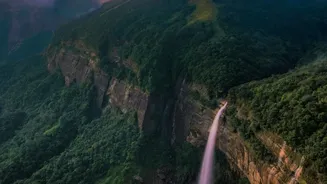
Nowhere is the monsoon's magic more apparent than in Meghalaya, literally the "Abode of Clouds." This is the season when the state's famous waterfalls are at their most powerful and dramatic. Nohkalikai Falls, India’s tallest plunge waterfall, transforms
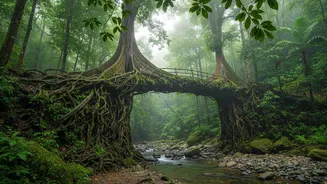
from a single stream into a roaring torrent of water. The Seven Sisters Falls live up to their name as multiple cascades flow down limestone cliffs in unison. For a truly unique experience, trek through misty forests to the living root bridges. These marvels of bio-engineering, woven from the roots of rubber trees by the Khasi people, become even more enchanting when surrounded by the sounds and scents of the rainforest.
Assam: Verdant Plains and Swelling Rivers
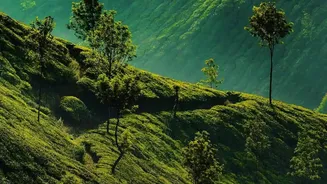
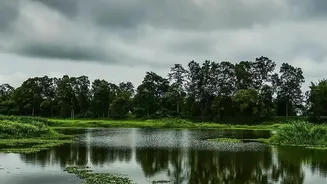
In Assam, the monsoon replenishes the vast plains and tea gardens, draping them in an impossibly lush shade of green. The mighty Brahmaputra River swells, showcasing its raw power and majesty. While the core zones of wildlife sanctuaries like Kaziranga National Park are largely closed due to flooding, the surrounding fringe areas and highlands offer incredible greenery. Some elevated trails in the Western Range may remain accessible for jeep safaris, offering a chance to see wildlife in a serene, water-logged landscape with far fewer tourists. The tea estates around Dibrugarh and Tezpur are particularly beautiful during this time, offering a tranquil and refreshing experience.
Nagaland and Manipur: Valleys of Mythical Blooms
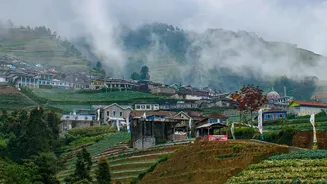
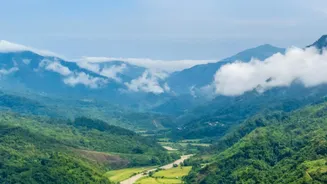
For trekkers, the monsoon unveils one of the region's best-kept secrets: the Dzukou Valley, located on the border of Nagaland and Manipur. During these months, the valley's rolling meadows are carpeted with a stunning array of flowers, including the rare and endemic Dzukou Lily, which blooms only from June to September. The trek itself is a moderate challenge, with trails that can be slippery, but the reward is a surreal, otherworldly landscape often shrouded in mystical fog. It’s a true digital detox, offering solitude and an intimate connection with nature in a place of unspoiled beauty.
Cultural Vibrancy: Monsoon Festivals
The monsoon is not just a season of natural beauty but also one of cultural celebration. In Meghalaya, the Pnar tribe celebrates the Behdienkhlam festival in July, a vibrant event to drive away plague and pray for a bountiful harvest. In Manipur, the Rath Yatra, or Kang Chingba, takes place around June or July, with grand chariot processions dedicated to Lord Jagannath. Assam sees the Ambubachi Mela at the Kamakhya Temple in Guwahati, a major festival celebrating fertility. These events offer a fascinating insight into the deep connection between the region's communities and the seasonal cycles that govern their lives.
An Eco Explorer's Essential Guide
Traveling to the Northeast during the monsoon requires preparation. Pack lightweight waterproof clothing, sturdy trekking shoes with good grip, and leech repellent for forest trails. Be prepared for travel delays, as landslides can occasionally block roads. Hiring a local guide is highly recommended; they offer invaluable knowledge of the terrain, culture, and safety conditions. Embrace the concept of slow travel. The monsoon is a time to appreciate the quiet moments, the mist rolling through the hills, and the hospitality of the local people. By traveling responsibly and respecting local customs, you contribute to the preservation of this unique ecosystem.