

The Allure of the Action-Packed Itinerary
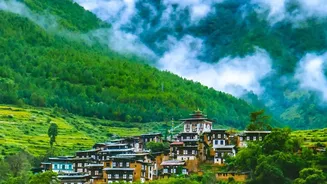
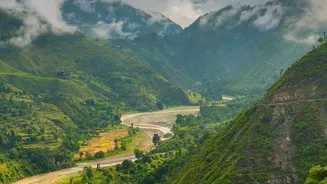
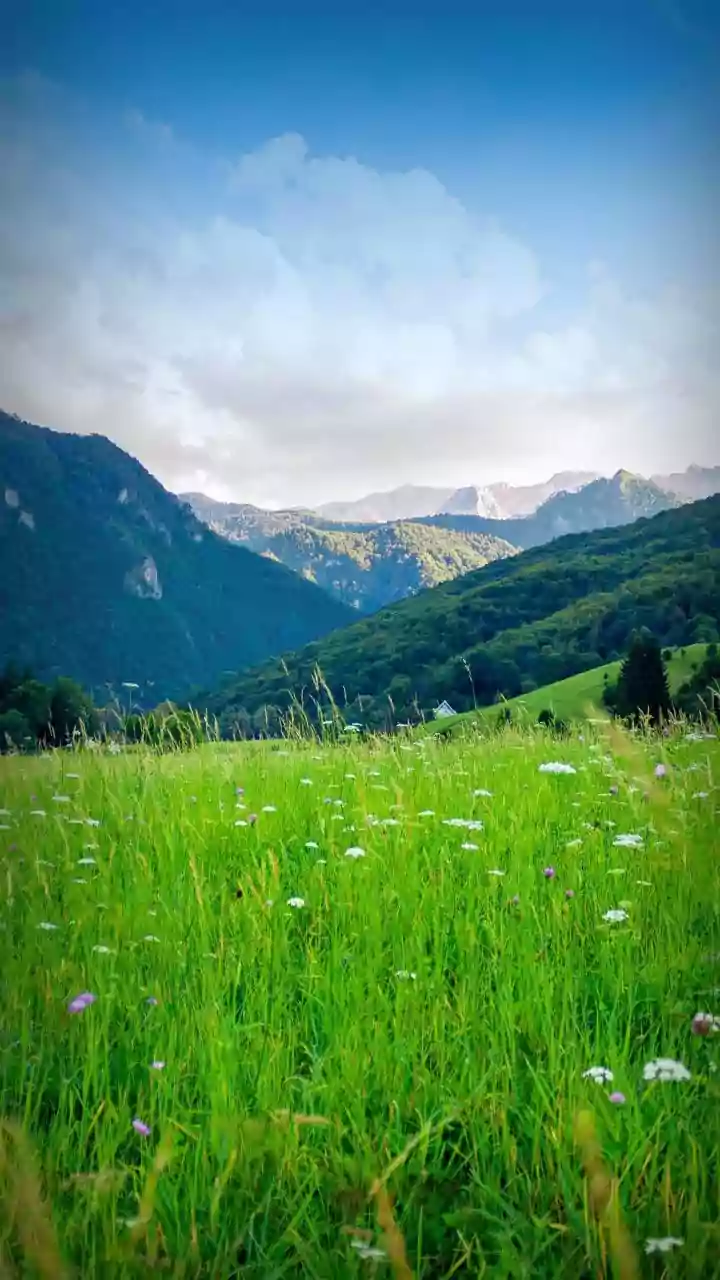
The impulse is understandable. After months of summer heat, the monsoon transforms familiar landscapes into a green paradise. Destinations like Lonavala, Munnar, and Coorg come alive with mist-covered hills and roaring waterfalls, creating a sense of urgency
to see and do everything at once. Social media feeds fill with images of friends perched on fort walls, drenched under waterfalls, and driving through cloud-covered ghats. It’s easy to feel like you’re missing out if your one day off doesn’t include a trek, a visit to a famous dam, a long drive, and a stop at a scenic viewpoint. The classic weekend trip from Mumbai or Pune, for instance, often involves trying to squeeze in a trek to a fort like Lohagad, a glimpse of Bhushi Dam, and a drive through Tiger's Leap—all before heading home the same evening. This 'checklist' approach feels productive, but it often sacrifices the very peace and joy we seek from a monsoon trip.
The Hidden Dangers of Rushing
Cramming too much into a monsoon day isn't just tiring; it can be dangerous. The season's primary risks aren't just about getting wet. Heavy rains lead to slippery trails, increasing the chances of falls and injuries, especially on rocky paths or stone steps. Flash floods can occur in narrow gullies, and river crossings that were simple in the morning can become impassable by the afternoon. Rushing from one spot to another means you might ignore changing weather conditions or try to take risky shortcuts to save time. Visibility often drops significantly in heavy fog or rain, making driving and trekking more hazardous. Furthermore, many popular trekking destinations in the Himalayas and Western Ghats become prone to landslides. By trying to conquer a long list of highlights, you might find yourself trekking or driving in deteriorating conditions after dark, which significantly elevates the risks.
The Art of a Paced Monsoon Plan
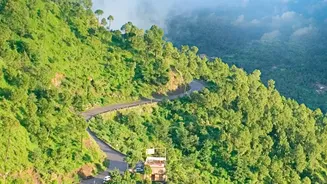
The antidote to the over-packed day is simple: slow down. Instead of a checklist, think in terms of a single, primary experience. Choose one main highlight for your day—be it a trek, a visit to a specific waterfall, or a long drive through a scenic ghat section—and build a relaxed plan around it. For instance, if you decide to trek, choose a trail that is known to be safer during the monsoon, like the wider paths of Lohagad or Korigad, rather than technically difficult routes. Start early to give yourself ample daylight hours. This approach allows you to account for unexpected delays, which are common during the monsoon due to traffic or weather. Have a flexible mindset; if conditions turn poor, be ready to change plans. Perhaps you can explore a local market or find a cosy cafe to enjoy the rain with a hot cup of tea and pakoras instead. The goal is to return home feeling refreshed, not exhausted and stressed from a frantic schedule.
Savouring the Season, Not Just the Sights
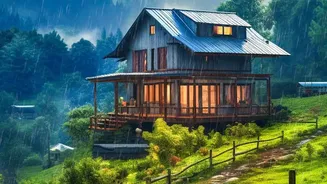
A successful monsoon trip is often less about what you see and more about what you feel. The true magic of the season lies in its atmosphere—the smell of wet earth, the sound of rain on a roof, and the sight of clouds rolling through a valley. These are experiences you can't have when you're rushing from your car to a crowded viewpoint for a quick photo. By focusing on one main activity, you create space for these smaller, more profound moments. It gives you time to linger over a cup of chai at a roadside stall, take a spontaneous detour down a pretty village road, or simply sit and watch the rain. This 'slow travel' approach encourages a deeper connection with the place. Instead of just collecting sights, you’re creating memories. It shifts the focus from an itinerary of destinations to an experience of the season itself.