






The Science of the Soggy Snack
The primary enemy of a crispy fried snack is moisture. When wet ingredients are introduced to hot oil, a battle ensues. Instead of crisping up, the food begins to steam from the inside out. This steaming process lowers the oil's temperature, causing the food to absorb
more grease and leading to a heavy, oily, and soft texture. Fresh herbs, especially leafy ones like coriander, hold a surprising amount of water. After washing, if not dried thoroughly, this water gets trapped in the batter or filling. During frying, this moisture escapes violently, causing the oil to splatter and preventing that desirable golden, crunchy crust from forming.
Why Wet Coriander Ruins the Crunch
Think of each drop of water on a coriander leaf as a tiny saboteur in your frying pan. When these water-laden leaves are mixed into a pakora batter, they release steam upon hitting the hot oil. This sudden release of steam does two things: it prevents the batter from setting quickly and crisping up, and it can make the fritters cook unevenly. The result is often a pakora that is golden on the outside but disappointingly dense and undercooked on the inside. Rainy weather itself already contributes to higher humidity, which can make frying more challenging. Prioritising dry ingredients, starting with your herbs, gives you a crucial advantage in the quest for crispiness.
The Bone-Dry Method: A Step-by-Step Guide
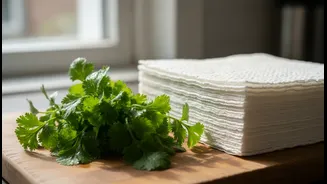
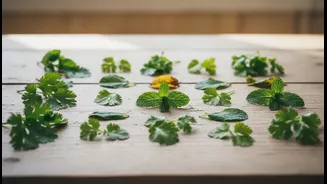
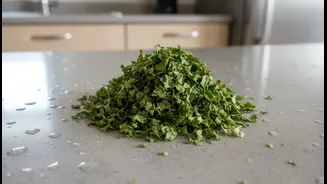
Achieving perfectly dry coriander is simpler than it sounds and is the cornerstone of this kitchen hack. First, wash your coriander bunch thoroughly under cool running water to remove any grit. Next, gently shake off the excess water. The most effective method is to use a salad spinner, which efficiently removes most of the moisture without bruising the delicate leaves. If you don't have one, lay the coriander on a clean kitchen towel or paper towels and pat it dry with care. For extra insurance, you can spread the patted-dry leaves on a tray and let them air-dry for about 15-20 minutes before chopping. For those in a hurry, a quick, low-heat toss in a dry pan for a few seconds can also remove residual dampness—just be careful not to cook the leaves.
Applying the Hack for Flawless Bites
This technique is a game-changer for a wide array of beloved teatime snacks. For pakoras and bhajis, incorporating bone-dry, finely chopped coriander into a thick, not-too-runny batter is key. The lack of excess water ensures the batter fries up light and crisp. For stuffed items like samosas or kachoris, ensuring the coriander in the filling is dry prevents the filling from becoming watery, which can make the outer pastry soggy from the inside. This rule also applies to vadas, tikkis, and cutlets, where a dry herbal component helps the entire snack bind together better and achieve a uniform, crunchy exterior when fried. By controlling this one small variable, you gain significant control over the final texture and quality of your snacks.