




The Science of a Gloomy Day
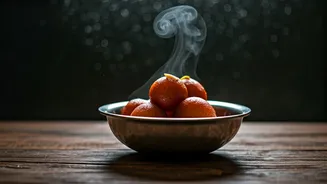
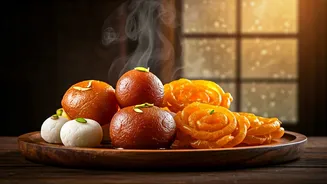
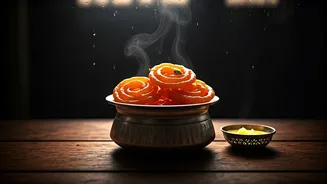
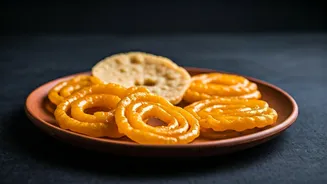
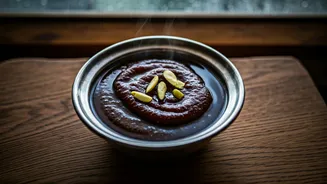
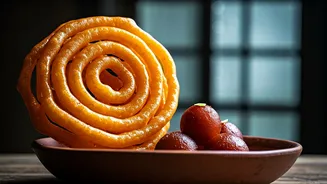
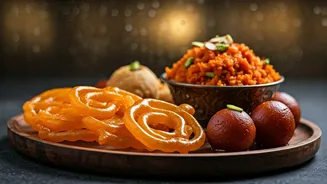
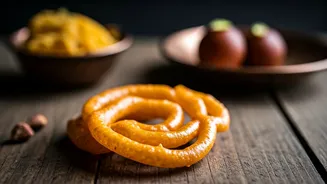
That urge for a hot bowl of *gajar ka halwa* or fresh *jalebis* isn't just in your head; it's rooted in biochemistry. Rainy weather means less sunlight, which can cause a dip in the levels of serotonin in your brain. [9, 3, 22] Serotonin is often called
the "happy chemical" because it plays a crucial role in regulating our mood. [8, 11] When its levels drop, we can feel a bit sluggish, tired, or even sad. [7] To counteract this, our brain sends out a powerful signal, craving foods that can provide a quick mood boost. Carbohydrate-rich and sugary foods, like most desserts, trigger a temporary increase in serotonin, making us feel happier and more energetic for a short while. [7, 11, 24]
A Hug in a Bowl: The Power of Comfort Food
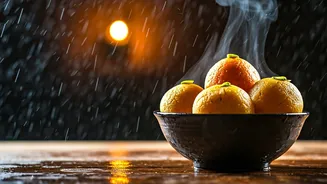
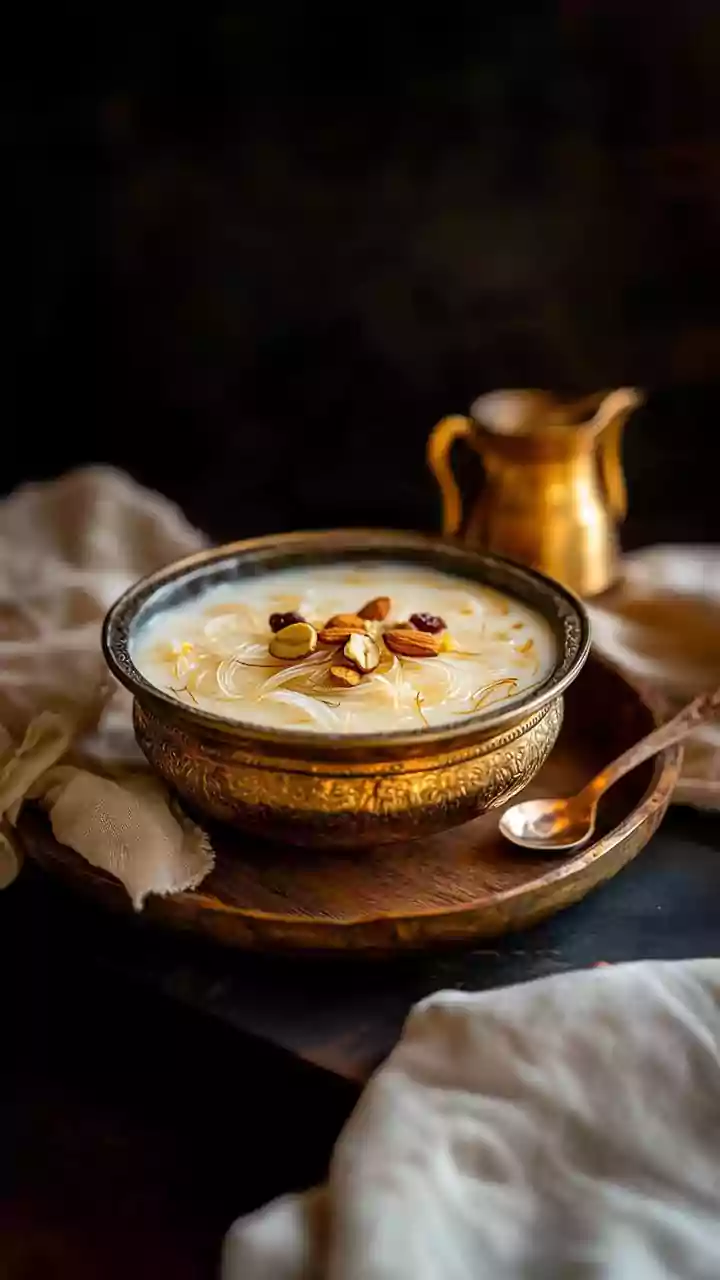
Beyond the chemical reactions, there's a deep psychological component at play. Warm desserts are the epitome of comfort food, and that feeling is strongly linked to nostalgia and emotion. [5, 9] For many, the smell and taste of a specific sweet treat can evoke powerful memories of childhood, family, and safety. [2, 5] The monsoon often means more time spent indoors with loved ones, and the food shared during this time becomes part of that comforting emotional tapestry. [2] Whether it's the memory of a grandmother preparing *kheer* on a rainy evening or sharing hot *gulab jamuns* with family, these foods offer a sense of security and warmth that feels especially welcome when the world outside is wet and dreary. [1, 12]
The Simple Need for Warmth
The most straightforward reason for our cravings is physiological. A drop in the ambient temperature during the rains makes our bodies work harder to maintain a stable internal temperature. [9, 18] This process, known as thermoregulation, requires energy. [25, 26] Eating warm food is a direct and efficient way to help raise our body temperature from the inside out, making us feel cozy and protected. [1, 5] The simple act of consuming something hot provides immediate physical comfort, contrasting pleasingly with the damp, cool air of the monsoon. [2] Moreover, warm food releases stronger aromas than cold food, and since smell is a huge component of taste, this makes the entire experience more satisfying and inviting. [1]
An Indian Monsoon Ritual
In India, the connection between the monsoon and specific foods is a cherished cultural tradition. [28] As the rains arrive, street food stalls and home kitchens alike begin to produce an array of seasonal delicacies. [3] While savoury fried snacks like *pakoras* and *samosas* are famous, warm desserts hold a special place. States across the country have their own monsoon specialities. You might find Maharashtrians enjoying soft, warm *puran poli* or steamed *modak*. [4, 10] In West Bengal, a bowl of rice pudding known as *payesh* is a common conclusion to a rainy-day meal. [4] Meanwhile, Rajasthan and Gujarat celebrate monsoon festivals like Teej with sweets like *mawa jalebi*. [4] Other popular choices include Bihar's *malpua*, deep-fried pancakes soaked in syrup, and Odisha's steamed *manda pitha*. [4]