

The Anti-Open-Plan Sanctuary
Remember the den? For some, it conjures images of wood-panelled walls, leather armchairs, and a certain old-fashioned masculinity. But the den making a comeback in 2026 is an entirely different creature. This modern version is a direct and necessary response
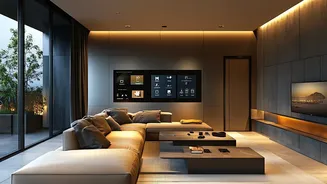
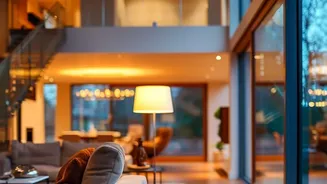
to two decades of open-plan living, where the boundaries between kitchen, living, and work have all but disappeared. The new den is a personal sanctuary, a room with a door that closes, designed for the express purpose of disconnection. It's not a family room for collective TV watching or a formal living room for entertaining guests. Instead, it is a purpose-driven space dedicated to solitary or quiet pursuits, a place where the hustle of daily life can be intentionally paused. As one interior designer recently noted, these spaces are becoming a necessity, not a luxury, serving as a place to reset and relax.
A Cure for Digital Exhaustion
The resurgence of the den is deeply connected to our increasingly digital lives. Post-pandemic, with hybrid work being the norm for many, our homes have become holistic environments for work, wellness, and leisure. Yet, this has also led to a sense of digital fatigue, with screens occupying every corner of our lives. The den serves as an analogue oasis. It’s a room built for activities that don’t require a Wi-Fi connection: getting lost in a novel, sketching in a notepad, practicing a musical instrument, or simply sitting in quiet contemplation. By creating a physical space for these activities, we give them importance and make them a more intentional part of our routine. It’s an architectural antidote to the endless scroll, a room designed to help us reclaim our attention spans and engage in deep, focused hobbies.
Not a Man Cave, But a Personal Space
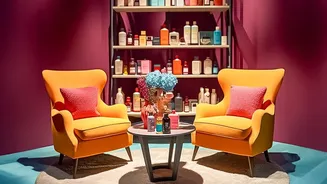
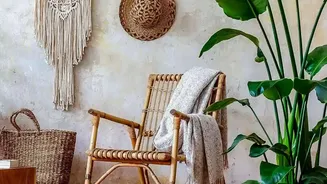
Crucially, the 2026 den sheds the gendered skin of its predecessor. This is not a 'man cave' or a 'she shed' in disguise, but a universally appealing concept. It's a room defined by its function—promoting focus and personal enrichment—rather than the identity of its occupant. For one person, it might be a library filled with books and a comfortable reading chair. For another, it could be a craft room with a large table for painting or pottery. For a third, it might be a listening room with a vinyl collection and a high-quality sound system. The common thread is personal passion. Interior designers note that more people are prioritising personal expression and wellbeing in their homes, seeking spaces that are not just visually compelling but emotionally resonant.
How to Carve Out Your Own Den
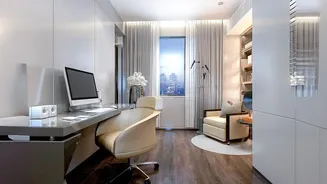
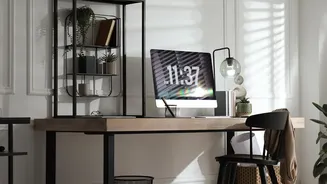
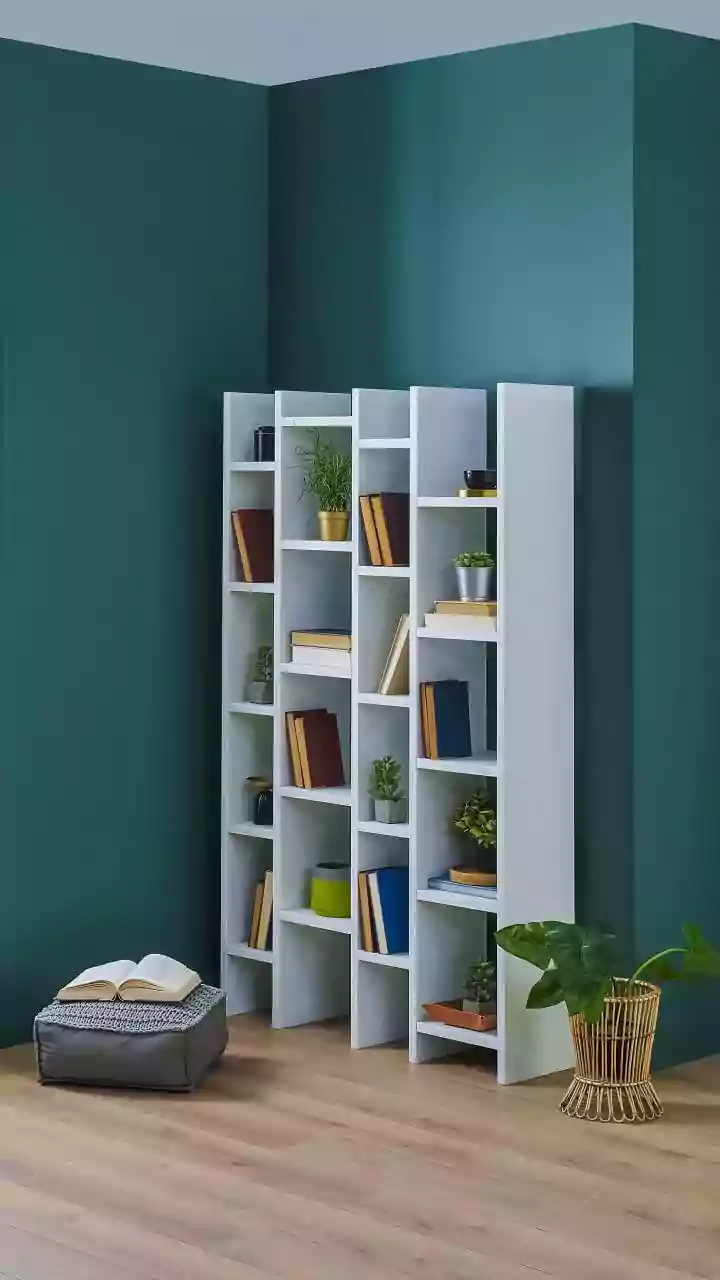
The idea of a dedicated room may sound like a luxury, but the spirit of the den can be adapted to any living situation. The key is creating a designated zone. It could be a converted storage room or a reclaimed corner of a larger room. What matters is that the space is defined and respected as a place for specific, non-work, non-chore activities. Think about what brings you joy and helps you disconnect. If it's reading, you need a comfortable chair and good lighting. If it's a craft, you need good storage for your supplies and a surface to work on. Multi-purpose furniture and clever vertical storage can help create a hobby zone even in a small apartment. The goal is to carve out a physical reminder in your home that your passions and your peace of mind are worth the space.