
The Building Blocks: Proteins and Amino Acids
To understand this food synergy, we first need to talk about protein. Proteins are essential macronutrients, crucial for building and repairing tissues, making enzymes, and supporting immune function. But what are proteins made of? The answer is amino
acids. There are 20 different amino acids that our bodies use to build proteins. Of these, nine are called 'essential amino acids' because our bodies cannot produce them. We must get them from the food we eat. Think of them as the nine indispensable ingredients in a recipe; if even one is missing, you can't complete the dish.
Complete vs. Incomplete: A Question of Quality
This brings us to the concept of protein quality. A 'complete protein' is a food source that contains all nine essential amino acids in sufficient amounts. Animal-based foods like meat, eggs, and dairy are generally considered complete proteins. Most plant-based foods, however, are 'incomplete'. This doesn't mean they are bad; it just means they are low in one or more of the essential amino acids. The specific essential amino acid that is lowest in a food is called its 'limiting amino acid' because its scarcity limits the body's ability to synthesise new proteins.
The Grain and Legume Partnership
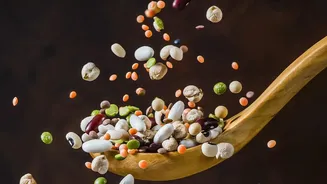
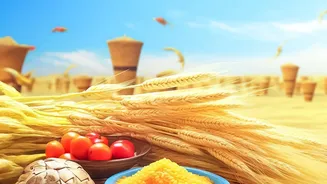
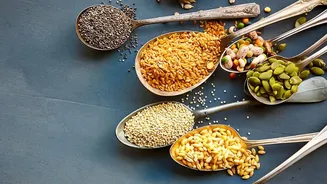
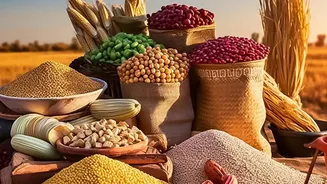
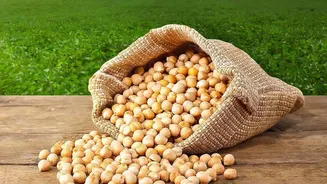
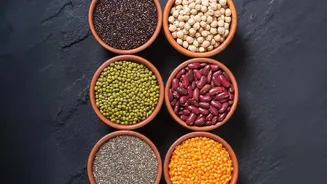
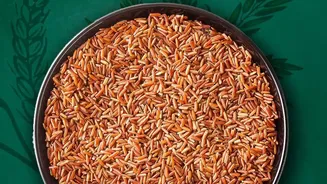
This is where the magic of combining foods comes in, a practice known as protein complementation. Cereal grains and legumes have a unique and reciprocal relationship. Cereal grains—like rice, wheat, and corn—are typically low in the essential amino acid lysine. On the other hand, legumes—such as lentils (dal), beans, chickpeas, and peas—are generally a good source of lysine. However, legumes tend to be low in the sulphur-containing essential amino acids, methionine and cysteine. And this is precisely where grains shine, as they contain adequate amounts of methionine.
Completing the Nutritional Puzzle
When you eat a cereal grain and a legume together, their individual weaknesses are cancelled out. The lysine from the legumes compensates for the lack of it in the grains, while the methionine from the grains fills the gap in the legumes. Together, they provide all nine essential amino acids in the right proportions, creating a complete protein profile that is comparable to that of animal sources. This synergistic pairing effectively elevates the protein quality of the meal, which is measured by scoring systems like the Protein Digestibility Corrected Amino Acid Score (PDCAAS). By combining these foods, the overall score of the meal increases, ensuring your body gets all the building blocks it needs.
Your Plate, Your Powerhouse
This principle is beautifully demonstrated in many traditional cuisines around the world, particularly in India. These time-tested combinations are not accidental; they are a result of centuries of food wisdom. Think of dal and rice (dal-chawal), a staple across the subcontinent. The lentils provide the lysine, and the rice provides the methionine. The same science applies to eating roti (a wheat-based flatbread) with dal or chole (chickpeas). Other classic examples include idli and dosa, made from a fermented batter of rice and urad dal, or khichdi, a comforting mix of rice and moong dal. These meals are not just delicious and economical; they are nutritionally complete powerhouses.