


The New Touring Blueprint
The playbook for Indian artists has officially been rewritten. Gone are the days of sporadic, single-city performances. We are now in the age of the blockbuster tour: a meticulously planned, multi-date, multi-city spectacle that rivals international standards.
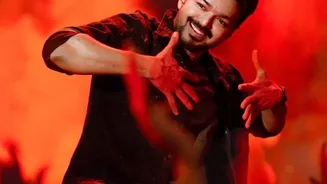
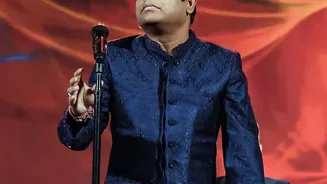
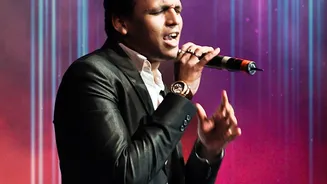
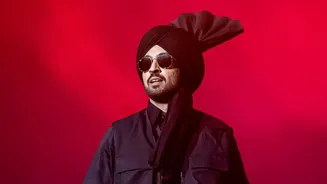
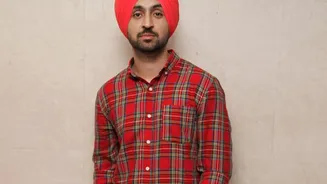
Look no further than Punjabi superstar Diljit Dosanjh. His recent 'Aura World Tour' wasn't just a series of concerts; it was a record-shattering event. The North American leg alone grossed a staggering $32 million across 15 sold-out shows. He became the first Punjabi artist to sell out stadiums in Australia and headline London's iconic Wembley Stadium. Similarly, South Indian music director Anirudh Ravichander is celebrating 15 years in the industry with his global 'XV Tour,' following a completely sold-out North American tour in 2024. These are not isolated successes; they represent a structural shift. Artists like Arijit Singh continue to command immense drawing power, with fans eagerly awaiting his multi-city tour announcements that consistently sell out across India and abroad. This is the new normal: Indian music is a touring powerhouse.
An Industry Getting Serious
This explosion in concert culture isn't happening by accident. It's fueled by the rapid professionalization of India's live events industry. The market is now valued at over ₹20,000 crore and is growing at an impressive 15% annually, far outpacing the global average. International giants like Live Nation, the promoter behind Dosanjh's massive tours, have recognized the potential and are investing heavily. Domestically, platforms like BookMyShow have created a robust infrastructure, managing everything from ticketing for massive international acts to supporting homegrown talent. This professional ecosystem allows for the complex logistics required for multi-city tours, from venue booking and production to marketing and sales. The result is a more reliable and polished experience for both artists and fans. The industry has moved from being a fragmented collection of one-off events to a structured, high-growth sector.
Beyond Bollywood and the Metros
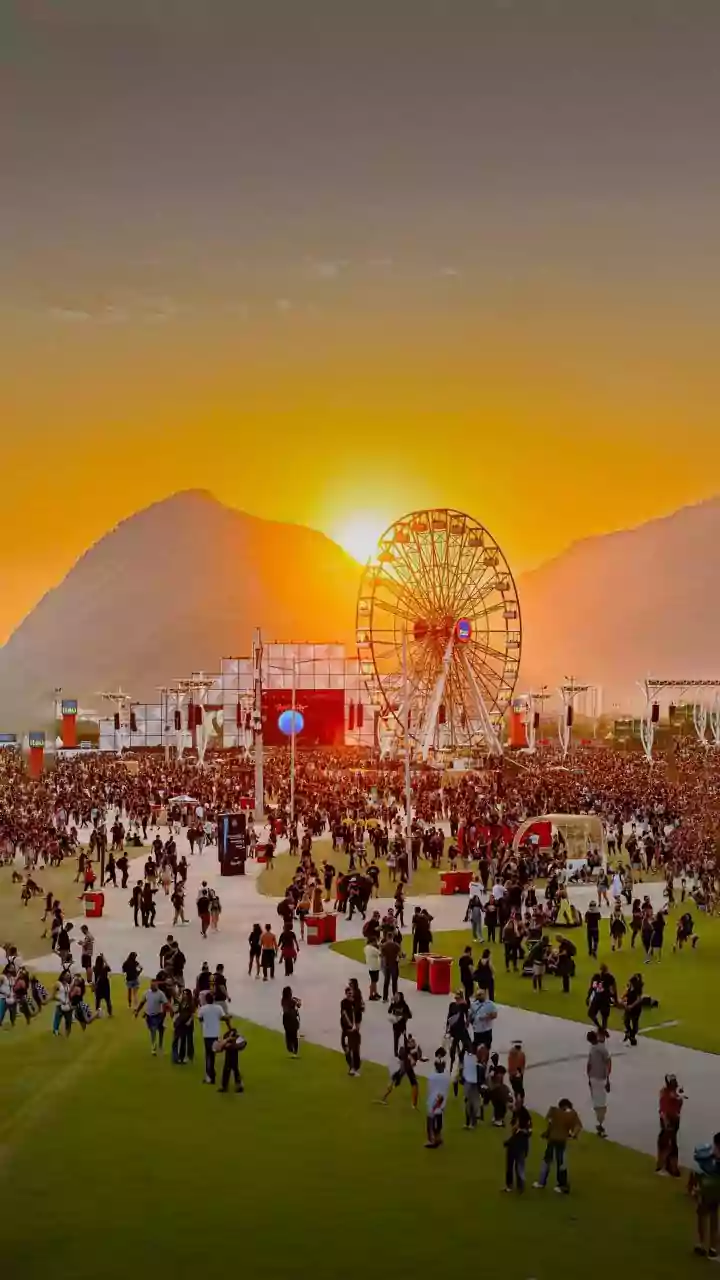
Another crucial factor in this growth is the decentralization of live music. While Mumbai and Delhi remain key hubs, the hunger for live experiences now extends far beyond them. Tier-II cities accounted for nearly 40% of live music ticket demand in recent years, proving that you no longer need to be in a metro to be part of a major musical event. Furthermore, the trend is not solely driven by Bollywood. Diljit Dosanjh's success is a testament to the global power of Punjabi music. Likewise, Anirudh Ravichander's tours highlight the massive, dedicated following for Tamil and Telugu film music on an international scale. Artists are leveraging their regional cultural roots to build global brands, attracting diverse audiences who connect with the energy and authenticity of the music, regardless of language.
Fuelled by Streaming, Powered by Fans
The connection between what you stream on your phone and the concert you attend has never been stronger. Digital music platforms have given artists an unprecedented reach, helping them cultivate massive, loyal fanbases across the globe. This digital fandom is now translating into physical ticket sales. The music industry has fundamentally shifted from a model driven by album sales to one centered on the "experience economy". Fans, especially younger millennials and Gen Z, are prioritizing spending on memorable experiences over material goods. They are not just passive consumers; they are active participants, willing to travel across cities for a concert. In 2025, over half a million Indians travelled to a different city just to attend a live music event. This willingness to travel and spend on tickets, merchandise, and accommodation turns a concert into a significant economic event for the host city.