





From Pot to Plate: Your Personal Herb Garden
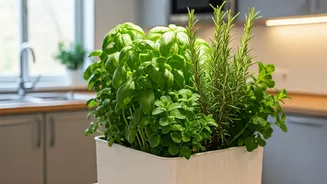
Imagine snipping fresh mint for your chai or plucking tulsi leaves for your morning ritual without stepping outside. A kitchen-side herb garden is the easiest way to elevate your cooking and wellness routines. Start with hardy Indian staples that are
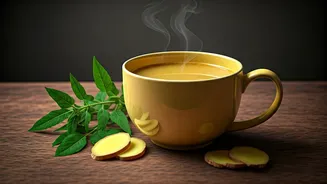
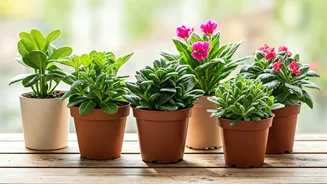
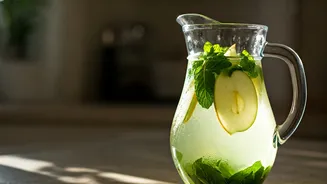
both flavourful and forgiving. Tulsi (Holy Basil) is not only sacred but also a powerful adaptogen, perfect for immunity-boosting teas. It thrives in sunlight and requires moderate watering. Pudina (Mint) grows vigorously—sometimes too vigorously, so keep it in its own pot—and is essential for chutneys, raitas, and refreshing summer drinks. Another must-have is the Kadi Patta (Curry Leaf Plant); its aromatic leaves are a non-negotiable in many South and West Indian dishes. These plants thrive in sunny spots, like a windowsill or balcony, and connect you directly to the food you eat, making every meal a little more special.
Breathe Easier with Nature’s Air Filters
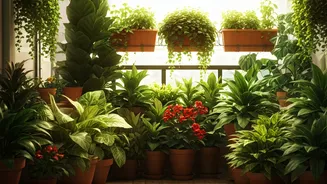
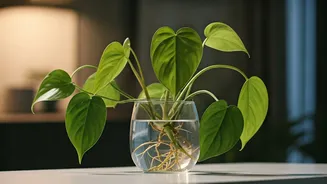
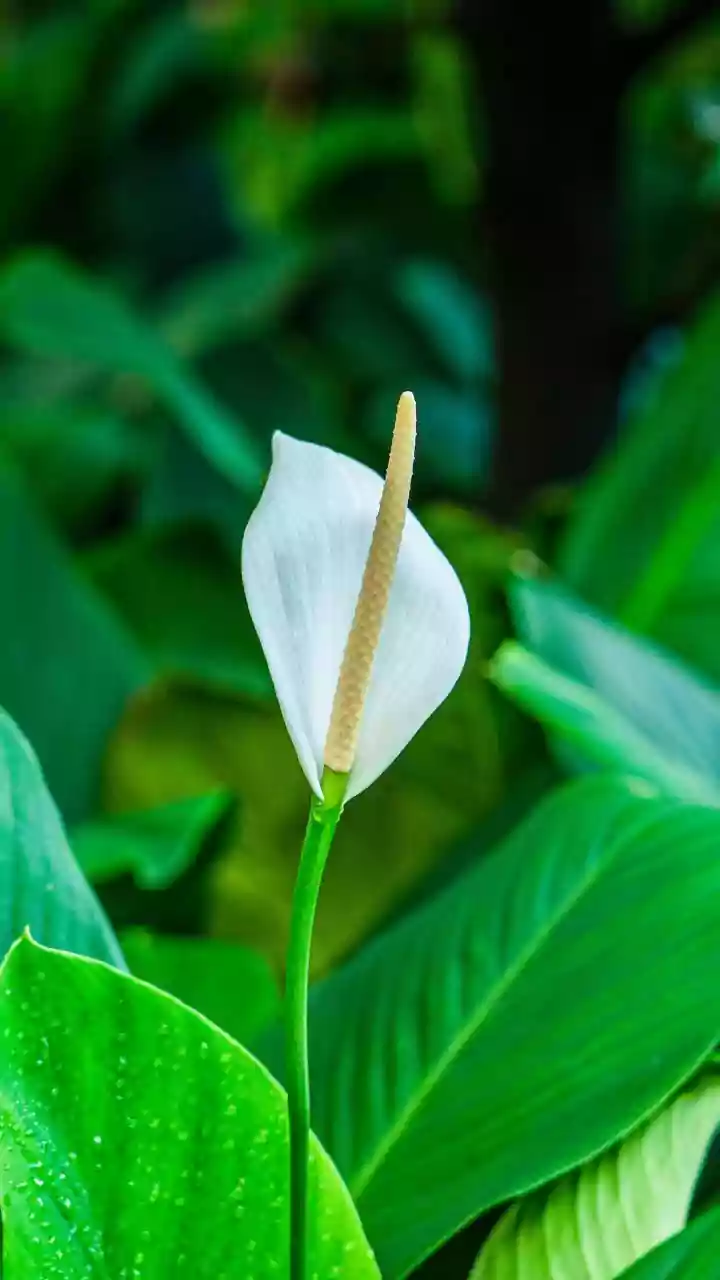
Our indoor spaces can accumulate airborne pollutants from paints, furniture, and cleaning products. While they are no substitute for good ventilation, certain houseplants can help improve indoor air quality. The famous NASA Clean Air Study identified several plants that absorb common toxins. The Snake Plant (Sansevieria trifasciata), also known as mother-in-law's tongue, is a superstar in this regard. It’s incredibly low-maintenance, tolerates low light, and uniquely releases oxygen at night, making it a perfect companion for the bedroom. Another excellent choice is the ubiquitous Money Plant (Epipremnum aureum), which is known to filter formaldehyde and other volatile organic compounds. It’s a forgiving vine that tells you when it needs water by drooping slightly, making it ideal for beginners and a beautiful addition to any room.
Cultivate Calm with Aromatic Plants
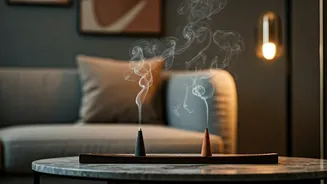
The connection between scent and emotion is powerful, a principle at the heart of aromatherapy. Bringing fragrant plants into your home can create a soothing, stress-reducing atmosphere. While many of us use essential oils, the gentle fragrance from a living plant offers a more subtle, continuous benefit. Mogra (Jasmine Sambac) is a beloved choice across India, its sweet, intoxicating scent known to calm the nerves and evoke pleasant memories. It loves warmth and sun, rewarding you with delicate white blossoms. Lavender is another classic, renowned for its relaxing properties that can aid sleep. It can be grown in pots on a sunny balcony, releasing its calming scent whenever you brush past it. These plants engage more than just your eyes; they create a multi-sensory experience of home.
A Living First-Aid Kit on Your Windowsill
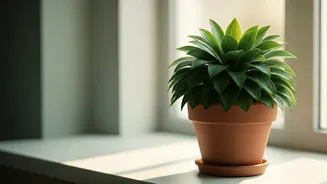
Some plants have been used for centuries for their healing and soothing properties, and having one at home can be incredibly useful for minor ailments. The most famous example is Aloe Vera. This hardy succulent is a powerhouse of cooling, anti-inflammatory gel. A small amount snapped from a mature leaf can provide instant relief for minor kitchen burns, sunburns, and general skin irritations. It’s like having a living tube of ointment ready when you need it. Aloe Vera is exceptionally easy to care for—it prefers bright, indirect light and minimal watering, as its biggest enemy is too much affection in the form of water. It’s a practical, functional plant that proves that greenery can be as useful as it is beautiful, serving as a reminder of nature's simple and effective solutions.