


A Symphony of Light
Forget clubbing and loud parties; this season, Indians are trading city lights for something far more magical: the bioluminescent glow of fireflies. All across the country, especially in the Western Ghats, a quiet trend is taking hold. Nature lovers,
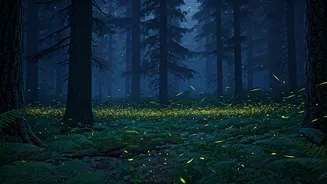
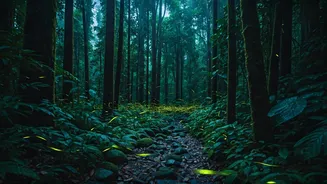
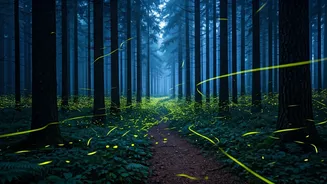
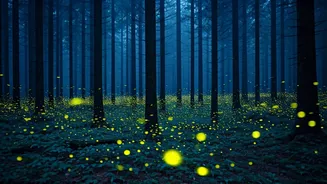
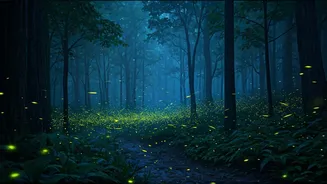
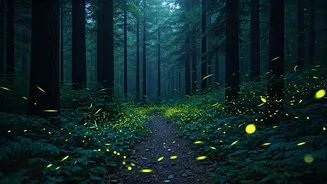
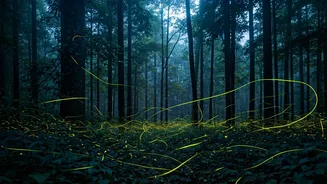
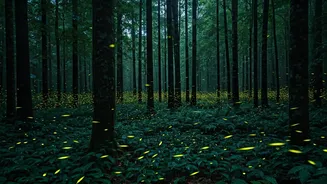
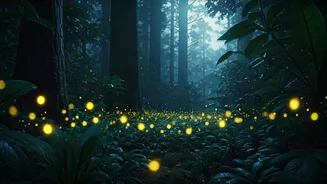
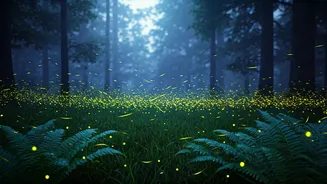
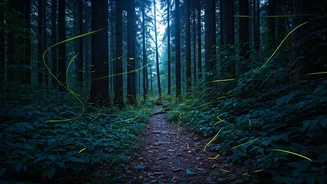
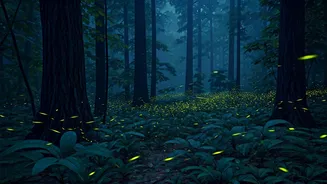
families, and city-dwellers weary of screens are heading to rural pockets to witness the breathtaking spectacle of fireflies congregating during their mating season. This isn't just about spotting a few blinking insects; it's about being immersed in a forest that seems to breathe with light. In some locations, fireflies synchronise their flashes, creating waves of light that pulse through the trees in a mesmerising, almost-unbelievable display. This natural phenomenon, once a simple village evening sight, has now become a bucket-list travel experience.
Why the Monsoon Season is Magic
The connection between monsoons and fireflies is elemental. The season, which typically begins with pre-monsoon showers in late May and peaks in June and July, is the primary mating period for most firefly species in India. The increased humidity and moisture create the perfect environment for them to thrive and for their larvae to find food like snails and slugs. The flashing lights are part of an intricate courtship ritual. Males fly around, flashing a specific pattern to announce their species and intentions. Females, often perched on leaves or branches, respond with their own blinks if they are interested. This silent, luminous conversation is what draws thousands of spectators. The cool, damp air and the lush, green backdrop of the monsoon landscape only add to the enchanting atmosphere.
India's Firefly Hotspots
While fireflies can be found in many clean, green environments, a few places have become hubs for this natural spectacle. Maharashtra is the undisputed champion of firefly tourism. The village of Purushwadi hosts a famous annual Fireflies Festival, where local villagers guide tourists. Other popular spots in the state include Bhandardara, with its tranquil lakeside setting; Rajmachi Fort, where you can combine the viewing with a night trek; and numerous smaller villages in the Sahyadri mountain range. Beyond Maharashtra, you can witness similar spectacles in the Anamalai Tiger Reserve in Tamil Nadu, parts of Coorg in Karnataka, and certain pockets of Goa away from the beaches. The key is to find areas with minimal light pollution and dense forest cover.
The Science of the Glow
That magical glow isn't magic at all, but brilliant biochemistry. Fireflies produce light through a process called bioluminescence. Inside their lower abdomens, a chemical reaction takes place. A substance called luciferin reacts with oxygen in the presence of an enzyme called luciferase and an energy-carrying molecule, ATP. The result is 'cold light' — nearly 100% of the energy is released as light, with almost no heat. This is far more efficient than an incandescent bulb, which loses most of its energy as heat. Each species has a unique flashing pattern, duration, and colour (ranging from yellow and green to pale red), which helps them identify and communicate with potential mates in the dark.
How to Watch Responsibly
The rising popularity of firefly watching comes with a critical responsibility: to protect these delicate creatures and their habitat. Unethical tourism can disrupt their breeding cycles and drive them away. To be a responsible observer, follow these simple rules. First, turn off all artificial lights. Torches, mobile phone screens, and camera flashes can confuse the fireflies and interrupt their mating signals. Use red cellophane paper over your torch if you must use one, as insects are less sensitive to red light. Second, keep your voice down. Loud noises stress wildlife. Third, stay on the designated trails to avoid trampling on female fireflies or their eggs on the ground. And finally, never, ever try to catch or touch them. The goal is to be a silent, invisible guest in their world.