


Understanding Monsoon Travel Risks
The allure of mist-covered hills and roaring waterfalls is undeniable, but monsoon travel requires careful planning. The same rains that create breathtaking landscapes can also lead to significant travel disruptions and dangers. The primary risks include
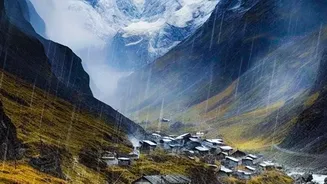
landslides, especially in hilly regions, and flash floods in low-lying areas and near rivers. Heavy downpours can cause road closures, train delays, and flight cancellations, potentially leaving travellers stranded. Regions like the Himalayas are particularly vulnerable to landslides, while overflowing rivers can pose a threat in plains and plateaus. Before planning a trip, it's crucial to distinguish between a gentle, scenic shower and a severe weather event that could compromise your safety.
High-Risk Zones: Beauty and Caution
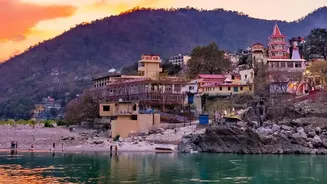
Certain destinations, while stunning during the monsoon, are prone to severe weather events. The mountainous states of Himachal Pradesh, Uttarakhand, and parts of Jammu and Kashmir are frequently affected by landslides and flash floods during heavy rainfall. While places like Nainital and Dharamshala are popular, they require constant monitoring of weather alerts. Similarly, the ghat roads leading to popular Maharashtra hill stations like Lonavala and Mahabaleshwar can become risky due to falling rocks and waterlogging during intense spells. Even parts of Wayanad in Kerala have been identified as landslide-prone during periods of extreme rain. This doesn't mean these places are entirely off-limits, but travellers should be prepared to alter plans at a moment's notice and should avoid travel during red or orange alerts.
Safer Alternatives: The Rain Shadow Advantage
For those who want to experience the mountains without the intense rainfall, exploring destinations in a rain shadow is a smart choice. These regions are shielded by mountain ranges that block rain-producing weather systems. The most prominent example is Ladakh, which remains dry and sunny throughout the monsoon season, offering clear skies and accessible roads for breathtaking Himalayan vistas. Spiti Valley in Himachal Pradesh is another high-altitude desert that receives very little rainfall, making it a prime destination for adventure travel between June and September. These areas provide a unique opportunity for a monsoon-season trip focused on trekking and road-tripping without the associated weather risks.
Lush Landscapes with Lower Risk
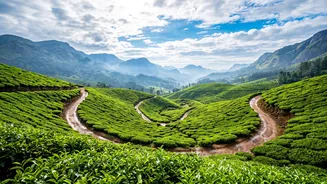
If your heart is set on greenery and rain, many destinations offer the full monsoon experience with a lower risk profile than the Himalayan states. The Deccan Plateau and parts of Central India are excellent choices. Places like Pachmarhi and Mandu in Madhya Pradesh come alive with lush forests and overflowing waterfalls, but without the acute danger of landslides. In the south, destinations like Coorg and Chikmagalur in Karnataka are celebrated for their rain-drenched coffee plantations and misty landscapes. While still receiving heavy rain, the rolling hills present a different kind of risk compared to the steep, fragile geology of the Himalayas. Similarly, Udaipur in Rajasthan is a fantastic option; the modest monsoon rains fill its famous lakes and the surrounding Aravalli hills turn a vibrant green, creating a romantic atmosphere with fewer weather-related disruptions.
Coastal Trips: What to Expect
A monsoon trip to coastal areas like Goa or Kerala offers a different experience. While you can expect heavy rainfall, the primary concerns are rough seas, which may restrict beach activities, and local waterlogging rather than landslides. Goa during the off-season monsoon is quieter and more affordable. The landscape is incredibly lush, and attractions like Dudhsagar Falls are at their most powerful. In Kerala, the backwaters of Alleppey offer a serene experience, though some houseboat services may be modified during very heavy rains. The key is to manage expectations: a coastal monsoon holiday is less about swimming and sunbathing and more about enjoying the dramatic skies and vibrant green scenery from a safe and cosy viewpoint.
Essential Planning and Safety Tools
Smart and safe monsoon travel hinges on staying informed. Always check the latest forecasts from the India Meteorological Department (IMD) before and during your trip. Apps like RainViewer can provide real-time radar data. Look for district-level alerts, not just state-wide forecasts, as conditions can vary significantly over short distances. It's wise to build buffer days into your itinerary to account for potential delays. Pack quick-drying clothes, waterproof bags for your electronics, and appropriate footwear. Finally, maintain flexibility. If a weather warning is issued for your destination, be prepared to change your plans. A delayed trip is always better than a risky one.