




The End of the Off-Season
For years, the June-to-September period was seen as a time to stay home, as heavy rains made travel difficult. That calendar is being rewritten. Recent booking data reveals a significant surge in monsoon travel, with hotel bookings rising by over 50%
year-on-year. This isn't just a marginal increase; it marks a fundamental shift in how Indians are approaching their vacation time. Rather than waiting for the perfect sunny day, travellers are now chasing experiences tied to the season itself—mist-covered hills, thundering waterfalls, and landscapes drenched in vibrant green. This trend is visible across the country, from the familiar monsoon haunts of Goa and Kerala to hill stations in the south. But the biggest story this season is the overwhelming preference for a region that truly comes alive in the rain: the Northeast.
Northeast's Magnetic Monsoon Appeal
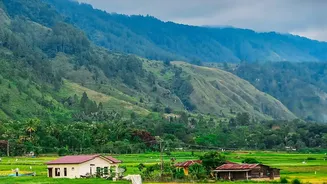
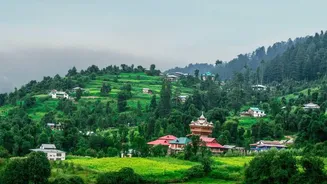
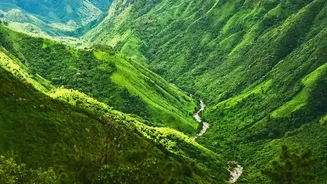
The Northeast has emerged as the breakout star of the monsoon travel season. States like Nagaland and Arunachal Pradesh have seen flight bookings jump by 62% and hotel bookings soar by over 90%. Cities like Shillong and Guwahati are also seeing a massive influx, with hotel occupancy growing by over 60%. So, what’s the draw? The region, known for its unique topography that creates a natural funnel for monsoon clouds, transforms into an emerald paradise during the rains. Waterfalls like Nohkalikai and the Seven Sisters are at their most powerful, the weather is cool and pleasant, and the famed living root bridges of Meghalaya are set against a backdrop of surreal, lush beauty. For many, it offers a refreshing escape from the heat and humidity of the plains, providing a tranquil, less-crowded alternative to mainstream destinations.
The Rise of the Mini-Vacation
Alongside this destination trend is a behavioural one: the move towards shorter, more frequent breaks. The traditional long annual holiday is making way for multiple mini-vacations, weekend getaways, and spontaneous trips. A recent report highlighted that a staggering 87% of Gen Z travellers now prefer trips lasting less than a week, with many opting for several short breaks over one long one. This shift is driven by several factors. The flexibility of hybrid and remote work models allows professionals to take 'workations', blending their job with travel to scenic locations. There is also a growing desire for experiences over itineraries, with travellers seeking relaxation and connection rather than a frantic checklist of sights. These shorter breaks are often more budget-friendly and easier to plan, aligning with a fast-paced lifestyle where quick recharges are highly valued.
A New Kind of Indian Traveller
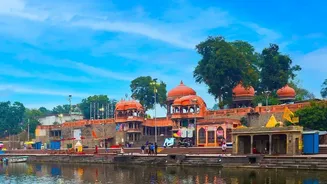
Ultimately, these trends point to the evolution of the Indian traveller. They are more adventurous, spontaneous, and intentional with their choices. The focus is increasingly on immersive experiences, whether it’s the spiritual calm of a temple town or the natural splendour of a rain-soaked forest. Improved connectivity and infrastructure have made once-remote areas like parts of the Northeast more accessible, opening them up to a new generation of explorers. This new traveller is less concerned with the 'perfect' season and more interested in what each season has to offer. They are seeking out destinations that are not yet viral on social media and value personal discovery over popular trends. The monsoon, once a deterrent, is now an attraction in itself, offering a unique lens through which to explore the country's diverse beauty.