






The Farmer's Dilemma: A Race Against Time
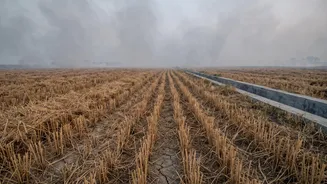
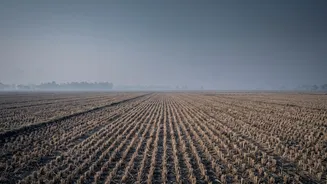
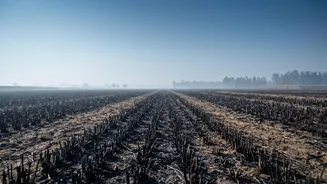
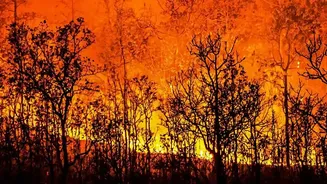
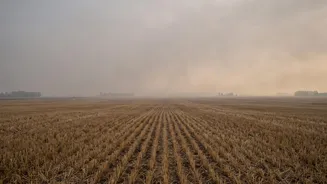
The story of post-monsoon pollution begins in the agricultural heartlands of Punjab, Haryana, and western Uttar Pradesh. After harvesting paddy (rice), farmers are left with tonnes of crop residue, or stubble. They face a very narrow window—often just
10 to 20 days—to clear their fields and sow the next crop, typically wheat. Burning the stubble is the quickest and cheapest method to prepare the land. While alternatives exist, factors like the high cost of specialised machinery and the logistical challenge of removing and transporting tonnes of straw make burning an economic compulsion for many, especially small-scale farmers. It's often a choice born out of necessity, not malice.
A Perfect Storm: Weather and Geography
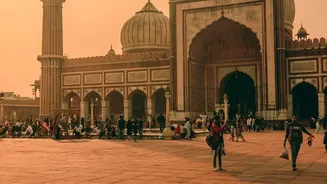
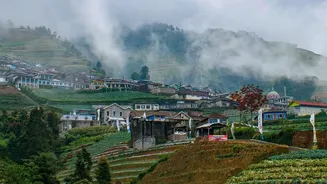
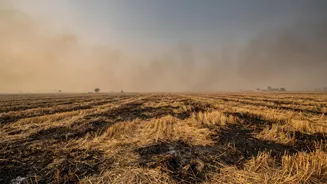
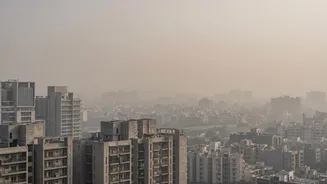
The timing of crop burning, typically from October to November, coincides with a shift in weather patterns that creates a perfect pollution storm. After the monsoon, wind speeds drop and temperatures cool down. This leads to a phenomenon called temperature inversion, where a layer of warm air traps cooler, denser air—along with pollutants—close to the ground. The smoke from farm fires, laden with harmful particles, is carried by northwesterly winds towards the Indo-Gangetic Plain. This region, geographically locked by the Himalayas, acts like a massive bowl, preventing pollutants from dispersing and allowing them to accumulate over densely populated cities like Delhi.
A Toxic Cocktail: The Health and Environmental Cost
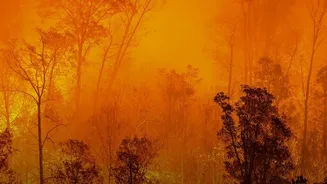
The smoke from stubble burning isn't just smoke; it's a toxic cocktail of pollutants. It releases vast quantities of particulate matter (PM2.5 and PM10), black carbon (soot), carbon monoxide, and other harmful gases. These fine PM2.5 particles are particularly dangerous because they are small enough to penetrate deep into the lungs and enter the bloodstream, leading to severe respiratory and cardiovascular diseases. Studies have shown that stubble burning is a major contributor to Delhi's hazardous air quality, accounting for up to 40% of PM2.5 levels on peak days. This seasonal pollution spike is linked to increased hospital visits, aggravated asthma, lung damage, and even premature deaths. Beyond human health, the practice also degrades soil quality by destroying essential nutrients and beneficial microorganisms.
The Search for Sustainable Solutions
Tackling the stubble burning crisis requires a multi-pronged approach that supports farmers while protecting the environment. The government has been promoting both in-situ (on-field) and ex-situ (off-field) solutions. In-situ options include machines like the 'Super Seeder' and 'Happy Seeder', which allow farmers to sow wheat directly into the fields without needing to clear the stubble, turning the residue into mulch. Another accessible solution is the use of bio-decomposers, which are sprayed on fields to speed up the natural breakdown of the straw. Ex-situ solutions focus on creating a supply chain to convert the stubble into a valuable resource. This includes using it to generate bio-energy at power plants, produce bio-CNG, or turn it into biochar to enrich the soil.
New Rules and Lingering Challenges
Recognising the severity of the issue, the central government continues to update its regulatory framework. As of September 2026, new draft rules propose placing fields where burning occurs into a "red category" in land records for 15 months, which could impact eligibility for government schemes. Fines for offenders also remain in place, with penalties ranging from ₹5,000 to ₹30,000 depending on the land size. However, challenges in enforcement persist. Ensuring the availability and affordability of alternative technologies for millions of farmers remains a significant hurdle. Ultimately, while crop burning is a major seasonal contributor, it is just one piece of the larger air pollution puzzle, which also includes year-round emissions from vehicles, industry, and construction dust.