







The Curated vs. The Chaotic
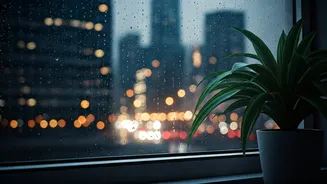
We are all fluent in the language of the ‘rain aesthetic’. It’s a digital love letter to the monsoon, composed of slow-motion videos of raindrops hitting a lotus leaf, cosy sweaters, a good book, and a plate of hot pakoras. It’s the carefully selected
soundtrack of gentle acoustic melodies, the smell of petrichor (the earthy scent of rain on dry soil), and the feeling of being safely cocooned at home. This is the rain we want: a predictable, gentle, and aesthetically pleasing backdrop to our lives. It’s a multi-sensory experience that promises comfort, nostalgia, and a moment of peace in our hectic world. But then there is the other rain. The real rain. This version doesn’t care about your playlist. It’s the sudden downpour that hits the minute you step out for a meeting. It’s the ominous notification from your maps app, turning a 30-minute commute into a three-hour ordeal. It’s the water that starts seeping under the door, the flicker of the lights before a power cut, and the realisation that your ‘work from home’ day now involves a dead Wi-Fi router. The curated calm of the online aesthetic shatters against the chaotic reality of a city infrastructure struggling to cope.
The Anatomy of Risk Anxiety
This isn't just a minor inconvenience; it's a form of seasonal, collective anxiety. Let’s call it ‘Risk Anxiety’. It’s the mental load of anticipating and mitigating the very real problems the monsoon brings. The first dark clouds trigger a cascade of practical worries. Is the car parked on high ground? Will the kids get home from school before the roads flood? Did I remember to charge all the power banks?
This anxiety is rooted in experience. We’ve all seen the videos of cars submerged in underpasses in Gurugram or boats plying the main roads of Bengaluru. We know the stories of trains being cancelled in Mumbai due to waterlogged tracks. The anxiety is also a public health concern. Municipal warnings about dengue and malaria become more urgent as stagnant water provides breeding grounds for mosquitoes. The fear of wading through murky floodwater isn't just about getting wet; it's about the risk of leptospirosis and other water-borne diseases. This isn't irrational fear; it's a rational response to a recurring, predictable crisis.
Why We Cling to the Fantasy
So, if the reality is so stressful, why do we continue to buy into the romantic fantasy? Perhaps it’s a form of self-preservation. The ‘rain aesthetic’ offers a sense of control. We can’t stop the floods, but we can curate a perfect, rainy-day moment for our Instagram stories. It’s an act of reclaiming the narrative. By focusing on the steam from a coffee mug, we momentarily block out the image of a clogged drain.
There's also a deep cultural and nostalgic pull. For generations, the monsoon has been romanticised in Indian cinema and literature. It symbolises longing, reunion, and dramatic tension. From Raj Kapoor and Nargis sharing an umbrella in ‘Shree 420’ to the cathartic dance in ‘Lagaan’, rain is an emotional character in our cultural lexicon. Our online aesthetic is simply the modern-day extension of this long-standing romance. It connects us to a shared history of finding beauty and meaning in the downpour, even if our ancestors weren't worried about their broadband connection.
Can We Reconcile the Two?
The conflict between the aesthetic and the anxiety can feel absolute, but it doesn't have to be. It’s okay to love the sound of rain on the roof while simultaneously checking a civic app for waterlogging updates. Holding both these truths doesn’t make you a hypocrite; it makes you a resident of modern India. The joy is real, and so is the risk.
Perhaps a more mature ‘rain aesthetic’ isn’t about pretending the problems don’t exist. It’s about preparation. It’s the satisfaction of having an emergency kit ready, of knowing the alternate routes home, of having successfully waterproofed your balcony. True peace of mind during a storm isn’t just about having the right snacks; it’s about feeling secure. When the anxiety is managed through preparedness, there's more mental space left to genuinely enjoy the beauty. The ultimate aesthetic, after all, is functional infrastructure—a city where you can actually enjoy the rain without the accompanying dread.