




The Most Common Warning Signs
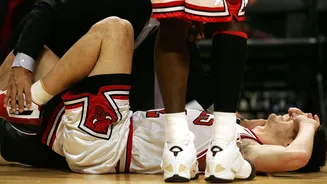
A broken bone, or fracture, can range from a tiny crack to a complete break. While a bone sticking through the skin is an unmistakable sign of a serious 'open' fracture, most are 'closed' fractures, where the skin remains intact. Key symptoms demand immediate
attention. The most common is sudden, intense pain, which often feels sharp and deep. This pain typically worsens with any movement or pressure on the injured area. Within minutes or hours, you will likely notice significant swelling and bruising as damaged blood vessels leak fluid into the surrounding tissue. The area might also feel warm or tender to the touch. Another major red flag is difficulty using the limb. You may find it impossible to bear weight on a leg or move an arm or joint normally. In some cases, a visible deformity is a clear giveaway—the limb may appear bent, twisted, or out of place. Finally, some people report hearing a 'snap' or a grinding sound at the moment of injury.
Not All Breaks Are the Same
Doctors classify fractures based on how the bone breaks. A 'complete' fracture means the bone has broken into two or more pieces, while a 'partial' or 'incomplete' fracture means it is only cracked. If the broken pieces of bone have moved out of their normal position, it is called a 'displaced' fracture, which often requires a doctor to realign the bone. If they remain aligned, it's a 'stable' or 'nondisplaced' fracture. The break itself also has a pattern. It can be a straight line across the bone (transverse), at an angle (oblique), or a spiral shape from a twisting injury. A 'comminuted' fracture is when the bone shatters into three or more pieces. Another type, common in athletes, is a 'stress fracture', which is a tiny hairline crack that develops over time from repetitive force.
What to Do Immediately
If you suspect a fracture, your primary goal is to prevent further injury while waiting for medical help. First, keep the injured person and the affected area as still as possible. Do not try to straighten a bent limb or push a bone back in if it is sticking out. If there is bleeding, apply firm pressure to the wound with a clean cloth or bandage, pressing around the injury but not directly on any protruding bone. To manage pain and reduce swelling, apply an ice pack wrapped in a towel for 15-20 minutes at a time; never place ice directly on the skin. If you can, elevate the injured limb above heart level to help limit swelling. Remove any rings, watches, or tight clothing from the area before swelling makes it difficult. It is critical to call for emergency help if the injury involves the head, neck, or back; if there is heavy bleeding; or if the limb is numb or has turned blue.
Diagnosis and the Healing Journey
At a hospital or clinic, a doctor will perform a physical exam and almost always use an X-ray to confirm the fracture, see its type, and check the alignment. In some complex cases, a CT scan or MRI may be used to get a more detailed look at the bone and surrounding tissues. Treatment depends on the severity. Many fractures can be treated with 'closed reduction', where a doctor manually realigns the bone before immobilizing it in a cast or splint. More severe or displaced fractures may require surgery ('open reduction') to set the bone using plates, screws, or rods. The healing process happens in stages. First, a blood clot forms. Then, a soft callus of new tissue bridges the gap, which gradually hardens into solid bone over several weeks. Finally, the bone remodels itself back to its original shape. Most simple fractures in adults heal in about 6 to 12 weeks, but this can vary widely based on the bone, your age, and your overall health.