
There is a quiet satisfaction in serving a truly wonderful cup of tea. But the secret to that fragrant, flavourful brew often lies not in the pot, but in the pantry. Long before hot water meets leaf, proper storage is the key to preserving a tea's soul.
Why Storage Is the Secret Ingredient
Tea leaves are delicate, natural products filled with volatile organic compounds (VOCs) and essential oils that create their signature aroma and taste. Once harvested and processed, these leaves begin a slow, inevitable decline. While you can't stop time, you can drastically slow down the degradation process. The goal of proper storage is to create a stable environment that shields the leaves from external elements that rob them of their freshness. Tea that is improperly stored can become stale, lose its complex flavours, and absorb unwanted odours, resulting in a flat, disappointing cup. Good storage isn't just about avoiding spoilage; it's about actively preserving the quality and character you paid for, ensuring every cup is as vibrant as the first.
Know Thy Enemy: The Five Foes of Fresh Tea
To protect your tea, you must first understand what you're fighting against. There are five primary environmental factors that will degrade your tea leaves: Light, Air, Moisture, Heat, and Odours. Light, both natural and artificial, causes the chemical compounds in tea to break down, fading its colour and flavour. Air introduces oxygen, which leads to oxidation—a process that makes tea taste stale and flat. Moisture is perhaps tea's greatest enemy; since the leaves are dry, any humidity can encourage mould and bacterial growth. Heat accelerates all of these chemical reactions, essentially 'cooking' the delicate oils out of the leaves. Finally, because tea is highly absorbent, it will act like a sponge for any strong smells nearby, from spices to coffee to kitchen cleaners. Shielding your tea from this five-front attack is the cornerstone of effective storage.
Choosing Your Storage Vessel Wisely
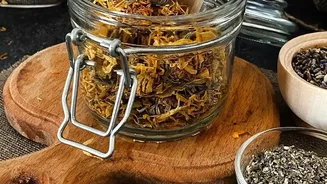
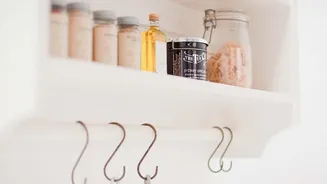
The container you choose is your first line of defence. The ideal container is both airtight and opaque (light-blocking). Metal tins, particularly those made of stainless steel or tin with double lids, are an excellent choice because they are durable, block light, and create a strong seal. Ceramic canisters with a silicone gasket are another fantastic option, offering both protection and aesthetic appeal. If you love the look of glass jars, ensure they are made of opaque or tinted glass and stored inside a dark cabinet. Avoid clear glass jars left on a counter, as they expose tea to constant light. You should also steer clear of most plastic containers, which can be permeable to air and may impart a chemical odour to the tea over time. The rule is simple: the container should be inert, meaning it adds no flavour of its own.
Location, Location, Location
Once you have the right container, where you put it is just as important. The best place for tea is a cool, dark, dry cupboard away from any sources of heat or temperature fluctuation. This means avoiding the cabinet directly above your stove, next to the dishwasher, or near a sunny window. The refrigerator or freezer is generally not recommended for daily tea storage. The drastic temperature changes from taking the container in and out can create condensation, which introduces moisture and ruins the leaves. The only exception is for long-term storage of unopened, perfectly sealed delicate green teas, and even then, the package must be brought to room temperature before opening to prevent condensation. For most teas, a stable, room-temperature environment is safest.
Tailoring Storage to Tea Type
Not all teas are created equal when it comes to storage needs. Delicate, unoxidized teas like green and white teas are the most sensitive and have a shorter shelf life, typically best within 6 to 12 months. Some enthusiasts even recommend refrigerating these to preserve their freshness, provided they are in a completely airtight container. More oxidized teas like black and oolong are hardier and can last for one to two years if stored properly. Flavoured teas, especially those with citrus oils like Earl Grey, have a shorter shelf life of around six months to a year as the flavourings can dissipate. The major exception is Pu-erh tea, which is a fermented, 'living' tea designed to age. It should not be kept in an airtight container, but rather in a breathable paper wrapper in a place with some air circulation to allow its character to develop over time, much like a fine wine.