






A Shifting Health Landscape
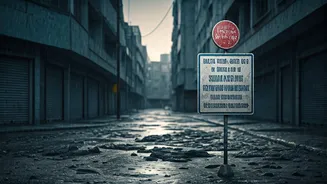
For years, the narrative around monsoon diseases in India centred on megacities like Mumbai and Delhi. However, a new trend is emerging as diseases once considered urban problems establish themselves in smaller cities and semi-urban regions. Factors like unplanned
urbanisation, population growth, and inadequate infrastructure in rapidly growing Tier-II and Tier-III cities are creating new hotspots for both vector-borne and water-borne ailments. This expansion means families in cities that previously had lower risk levels must now adopt a new level of vigilance during the rainy season.
The Vector-Borne Threat
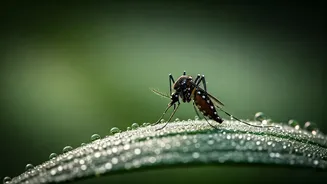
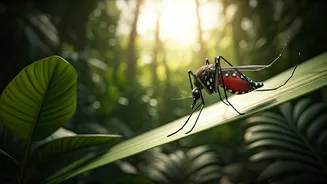
Mosquito-borne diseases are the most visible health threat during the monsoon. Dengue, malaria, and chikungunya cases historically peak in the weeks following heavy rains. The Aedes aegypti mosquito, which transmits dengue and chikungunya, breeds in clean stagnant water found in coolers, flower pots, and discarded containers. Rapid, often chaotic, construction and development in smaller cities can lead to an abundance of such breeding grounds. Dengue, known as “breakbone fever” for the severe joint pain it causes, is of particular concern as it spreads to new regions where it was historically non-existent.
The Danger in the Water
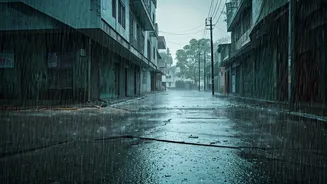
Alongside mosquitoes, contaminated water is the other major health hazard of the monsoon. Heavy rainfall can overwhelm drainage systems, leading to floods that contaminate drinking water sources with sewage. This creates the perfect environment for outbreaks of water-borne diseases like typhoid, cholera, leptospirosis, and Hepatitis A. In many rapidly urbanising areas, households rely on wells or have ageing pipeline infrastructure, increasing the risk of contamination. Even water that appears clean can carry dangerous microorganisms, making boiling or proper filtration essential.
Why Smaller Cities Are at Risk
The migration of monsoon health issues to smaller cities is not accidental. Rapid and often unregulated urbanisation puts immense strain on civic infrastructure. Sanitation and sewage systems may not keep pace with population growth, leading to poor waste management and contaminated water. Furthermore, public health awareness and vector-control programmes may be less established than in larger metros. Climate change also plays a role, with altered rainfall patterns and warmer temperatures allowing disease-carrying vectors like mosquitoes to survive in new areas for longer periods.
Your Family's Monsoon Action Plan
Protecting your family requires a proactive approach. Start by eliminating mosquito breeding sites: don't allow water to stagnate in or around your home, clear clogged drains, and cover all water storage containers. To prevent water-borne illnesses, ensure your drinking water is either boiled or comes from a reliable purifier. Be extra cautious with food. Avoid street food that might be exposed to flies and contaminated water, and thoroughly wash all fruits and vegetables. Personal hygiene is critical; wash your hands frequently, especially before eating. Finally, recognise the early warning signs. A high fever, severe headache, muscle pain, or stomach issues should prompt a visit to the doctor without delay.