


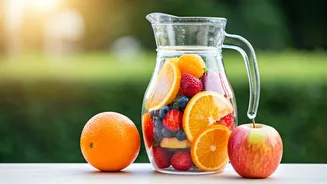


Myth: Juice Is a Health Drink
For decades, we’ve been told that fruit juice is nature’s nectar, packed with vitamins and goodness. Packaged juices scream “100% Fruit!” and “No Added Sugar!”, while the friendly neighbourhood juice-wala pressing fresh fruit before our eyes reinforces
this wholesome image. We associate it with vitality, recovery from illness, and a quick, easy way to get our ‘fruit quota’. This perception is a powerful one, deeply embedded in our dietary habits and passed down through generations. It’s seen as a healthy alternative to fizzy drinks and a convenient shortcut to nutrition, especially for picky kids.
Reality: It’s Often a Liquid Sugar Bomb
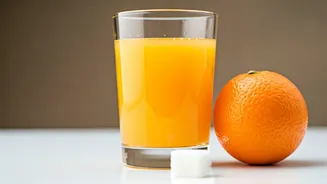
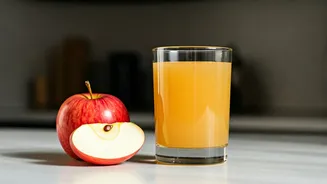
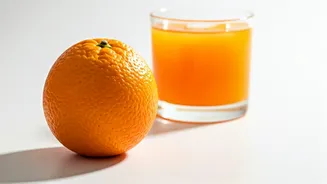
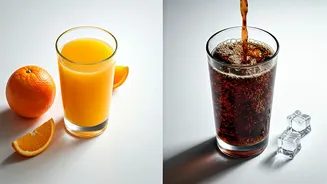
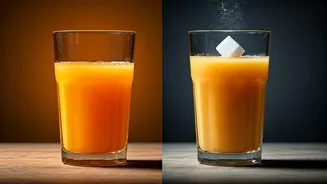
Here's the wake-up call: your body processes the sugar in juice very differently from the sugar in whole fruit. When you juice a fruit, you strip away the fibre and are left with what health experts call “free sugars.” A single 250ml glass of packaged orange juice can contain around 20-25 grams of sugar. To put that in perspective, a can of Coca-Cola has about 27 grams. Even freshly squeezed juice, without any added sugar, concentrates the natural sugars from several fruits into one glass. For example, it might take three or four oranges to make one glass of juice, meaning you consume the sugar of all four fruits in a matter of minutes, far faster than you could ever eat them.
Myth: You Get All the Fruit’s Goodness
The main selling point of juice is that it contains the vitamins of the fruit, particularly Vitamin C. While it’s true that some vitamins are retained, the most important component of the fruit is almost entirely lost in the juicing process: the dietary fibre. We tend to think of fibre as something just for digestion, but its role is far more critical, especially when it comes to sugar. The pulp and skin of fruits are where the magic of fibre resides, and that’s exactly what the juicer leaves behind.
Reality: Fibre Is the Missing Hero
Fibre is the structural part of a plant that your body can't digest. When you eat a whole orange, its fibre creates a matrix in your stomach. This slows down the digestion and absorption of the fruit’s natural sugars, leading to a gentle, gradual rise in blood sugar. It also makes you feel full and satisfied. Without that fibre, the sugar from juice hits your bloodstream like a tidal wave, causing a rapid spike in blood sugar and insulin. This is why you can drink hundreds of calories from juice and still feel hungry shortly after. Over time, these repeated sugar spikes can contribute to insulin resistance, weight gain, and an increased risk of type 2 diabetes.
Myth: “Freshly Squeezed” Is Totally Fine
It’s easy to blame packaged juices with their preservatives and long shelf lives, but the problem of free sugars is universal. Your glass of fresh sugarcane or mosambi juice has the same fundamental issue: all sugar, no fibre. While it’s certainly better to avoid the additives found in some commercial brands, the metabolic effect of the concentrated fruit sugar on your body is largely the same. The process of extracting the juice is what liberates the sugar and turns a healthy fruit into a high-sugar beverage.
A Better Way: Smarter Sipping
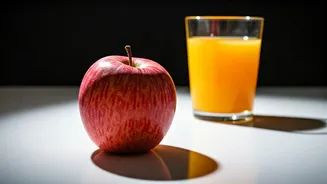
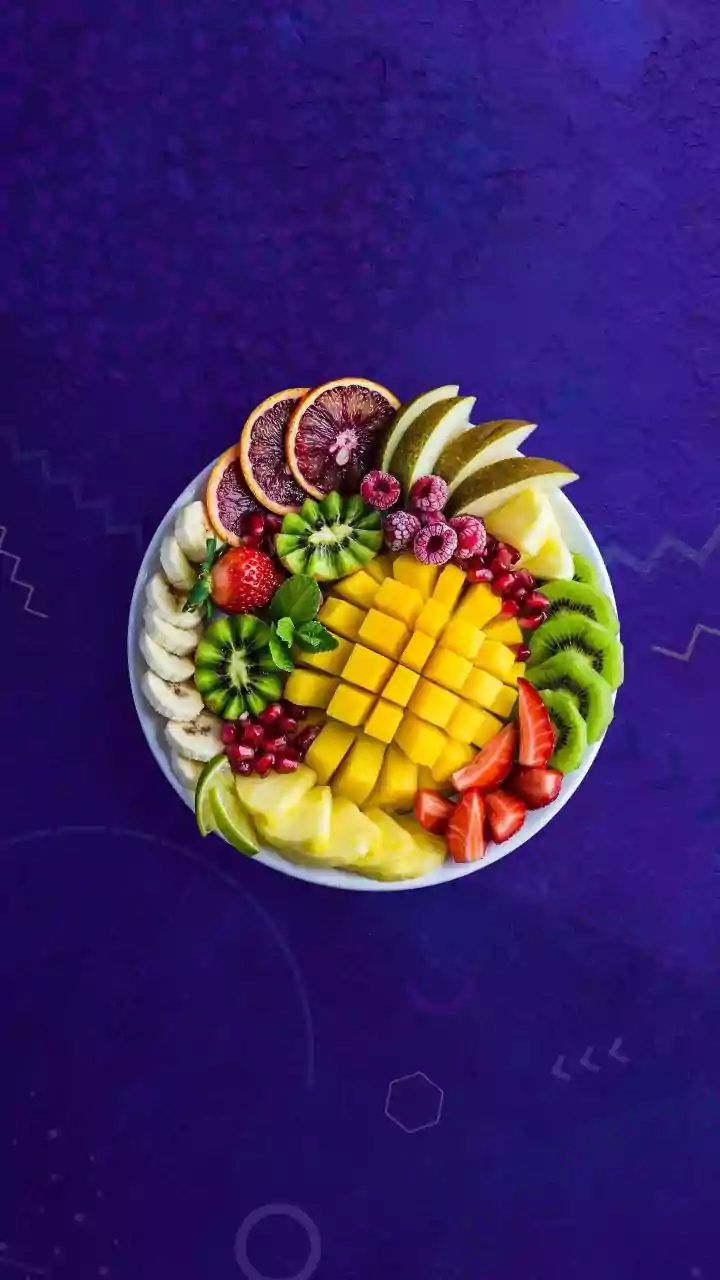
This doesn't mean you must banish juice forever. It means re-categorising it in your mind. Think of juice as a treat, not a health staple—something you have occasionally, in a small quantity, like a dessert. The World Health Organization recommends limiting free sugar intake, and juice is a major contributor. If you crave a fruity drink, try a smoothie instead. Blending a whole fruit with some yoghurt or water retains the fibre. Better yet, simply eat the fruit. An orange, an apple, or a bowl of pomegranate seeds provides the vitamins, the fibre, the hydration, and the feeling of fullness that juice simply cannot match.