
A Nationwide Celebration with a Local Heart
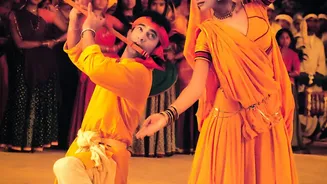
Navratri, which translates to "nine nights," is a festival dedicated to the nine forms of the goddess Shakti, or Durga. While the core theme of good triumphing over evil is universal, the celebrations are famously diverse. In Gujarat, the festival explodes
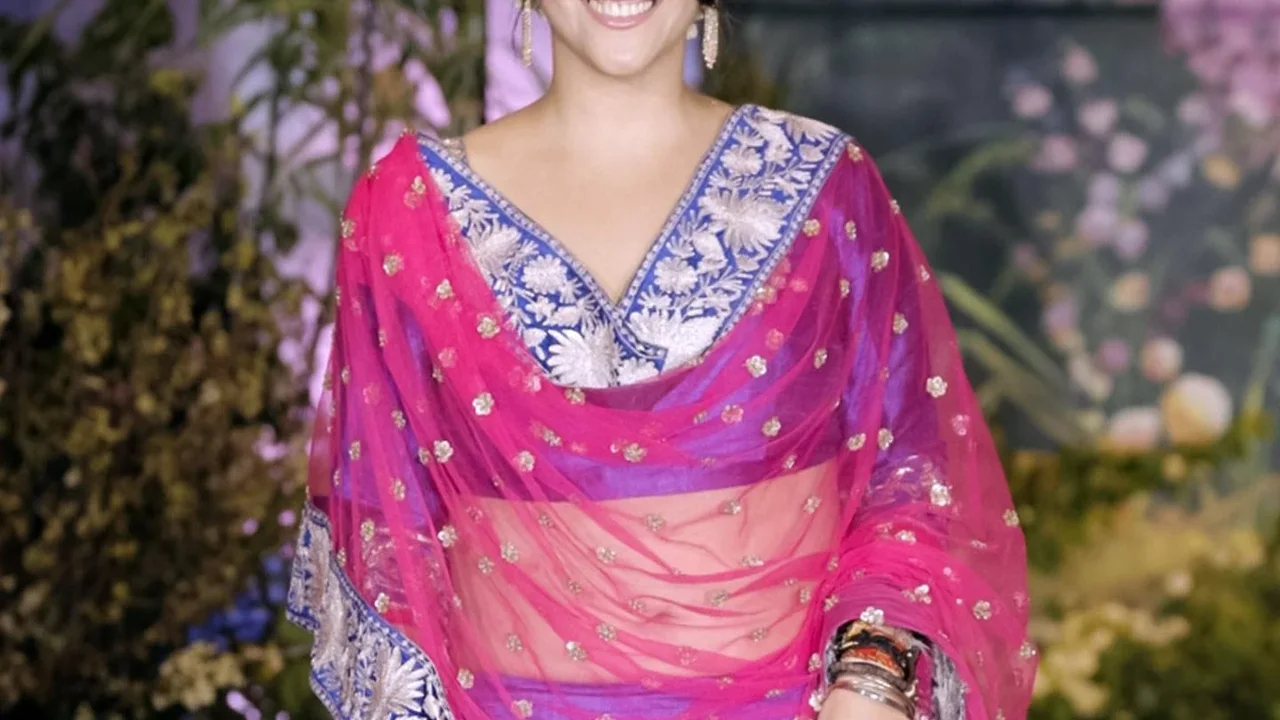
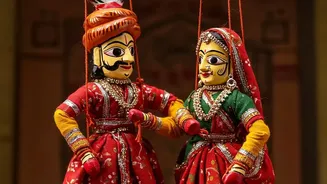
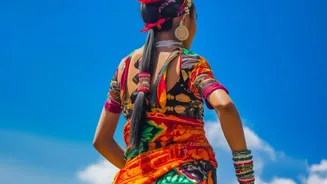
into a nine-night dance marathon with Garba and Dandiya Raas, where communities gather to dance in concentric circles. The Garba dance itself, now on UNESCO's Intangible Cultural Heritage list, is a powerful community expression. Further south, especially in Tamil Nadu, the festival takes a quieter, more artistic form with the tradition of 'Kolu' or 'Golu'. This involves creating elaborate displays of dolls and figurines on stepped platforms, with families visiting each other's homes to view the collections. These distinct regional traditions, along with West Bengal's famous Durga Puja, create a nationwide cultural wave that businesses and consumers eagerly ride.
The Navratri Plate: A Feast for Fasters and Foodies
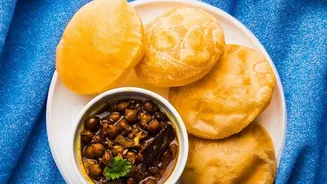
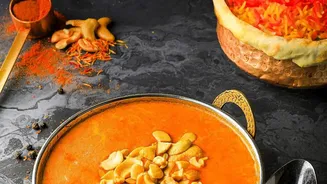
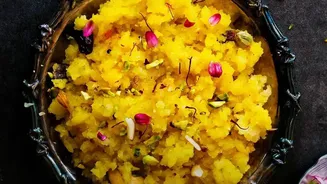
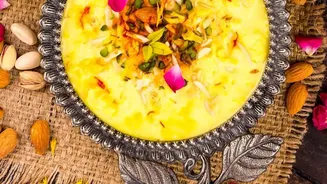
Food is central to Navratri, particularly the 'vrat' or fasting cuisine that avoids grains, onions, and garlic. For generations, this meant home-cooked meals of sabudana (tapioca) khichdi and kuttu (buckwheat) pooris. Today, however, restaurants across India are transforming these humble ingredients into gourmet experiences. Major cities see a surge in restaurants offering special Navratri thalis and Sattvik menus. These menus go far beyond the basics, featuring inventive dishes like beetroot sago risotto, buckwheat tacos, and makhania paneer makhana tarts. This culinary creativity allows those observing the fast to dine out and celebrate, blending tradition with modern gastronomy. The trend reflects a growing demand for festive experiences that respect religious customs while offering novelty and convenience. Even food delivery platforms get in on the action, ensuring that a festive, fast-friendly meal is just an app away.
Decorating the Divine: From Diyas to DIY
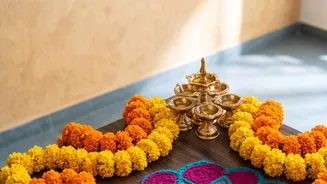
The festive spirit of Navratri translates into a visible transformation of homes. The pooja or prayer area becomes the heart of the celebration, often decorated with fresh flowers, brass lamps, and colourful fabrics. Traditional decor items like hand-painted clay diyas, torans (door hangings) made of marigold flowers and mango leaves, and rangoli are perennial favourites. In recent years, there's been a growing trend towards personalised and eco-friendly decor. Consumers are increasingly seeking out handcrafted items that support local artisans, such as Warli and Madhubani folk art wall hangings or terracotta idols. This shift is complemented by a DIY spirit, with families creating their own paper lanterns and decorations. Online marketplaces have also made it easier than ever to access a wide variety of festive decor, from elegant brass urlis for floating flowers to complete eco-friendly rangoli kits.
On the Move: The Rise of Festival Tourism
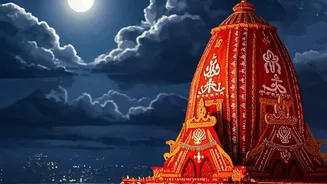
Navratri is no longer just a local celebration; it's a major driver of tourism. For many, experiencing the festival in its most authentic form is a powerful draw. Gujarat, particularly cities like Ahmedabad and Vadodara, becomes a top destination for those wanting to immerse themselves in high-energy Garba nights. Travel agencies and tour operators now offer specialised Navratri packages, and securing passes for premier Garba events often requires booking weeks in advance. This festive travel isn't limited to dance. Spiritual tourism also sees a spike, with devotees travelling to famous temples across the country. The economic impact is significant, with the festival period generating massive revenue in sectors like retail, hospitality, and transport. Whether it's a flight to Ahmedabad for a dance-filled holiday or a road trip to a family Golu display, Navratri puts India on the move.