








Embrace Warmth in Your Meals
During the monsoon, the body's digestive fire, or 'agni' as it's known in Ayurveda, is believed to be weaker. The damp, cool weather can slow down metabolic processes, making it harder to digest heavy or cold foods. This is why shifting towards warm,
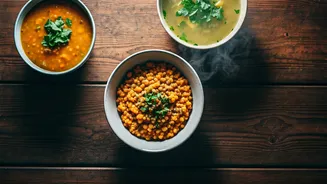
cooked meals is the cornerstone of a good monsoon diet. Think of comforting bowls of dal, vegetable soups, and lightly spiced khichdi. These dishes are not only nourishing but also easy on the stomach. Start your day with a warm glass of water with honey and lemon, or sip on herbal teas like ginger, tulsi, or lemongrass throughout the day. These warm beverages aid digestion, improve circulation, and help keep common colds and coughs at bay. Spices like turmeric, black pepper, and cinnamon not only add flavour but also have anti-inflammatory and antibacterial properties that are especially beneficial during this season. Avoid cold salads, refrigerated foods, and iced drinks, which can further dampen your digestive system and make you feel sluggish.
Prioritise Hygiene Above All
The monsoon is peak season for water-borne and food-borne diseases. The high moisture content in the air creates a breeding ground for bacteria and fungi. This makes hygiene a non-negotiable aspect of your diet. Be extra cautious with leafy green vegetables like spinach and cabbage, as the grime and worms hiding in their layers can be difficult to wash away. If you do consume them, ensure they are blanched in hot salt water before cooking. All fruits and vegetables should be washed thoroughly, preferably in a solution of water with a bit of salt or vinegar. This is also the season to be wary of street food, especially items like chaat, pani puri, and pre-cut fruits that are exposed to the elements and may be prepared with contaminated water. Opt for freshly cooked, hot snacks instead. At home, ensure you are drinking only boiled or purified water. Making these small but consistent efforts in hygiene can significantly reduce your risk of contracting stomach infections, diarrhoea, or jaundice.
Practice the Art of Moderation
Moderation is key to navigating the monsoon season healthily. Because our digestion is naturally slower, it’s wise to avoid heavy, rich, and oily foods. While the weather might make you crave fried snacks like pakoras and samosas, overindulging can lead to indigestion, bloating, and acidity. Try healthier alternatives like steamed corn, roasted bhutta, or baked snacks. It’s also a good idea to eat lighter meals and avoid overeating. Instead of three large meals, you might find that smaller, more frequent meals work better for your system. Be mindful of your dairy intake as well; heavy dairy products like cheese and cream can be difficult to digest for some during this season. Yoghurt and buttermilk, however, are good choices as they contain probiotics that support gut health. The goal is not to eliminate your favourite foods entirely but to consume them in moderation, giving your digestive system the support it needs to function optimally during this demanding season.
Foods to Favour This Season
To make things simpler, focus on incorporating immunity-boosting and easily digestible foods into your daily meals. Soups are your best friend—from classic tomato to mixed vegetable or a hearty lentil shorba. For grains, opt for older, lighter options like barley, oats, and old rice. Vegetables like lauki (bottle gourd), tori (ridge gourd), and parwal (pointed gourd) are light and easy on the stomach. When it comes to fruits, choose seasonal varieties like jamun, pomegranate, pears, and plums, but ensure they are washed well and consumed fresh. Incorporate powerful spices and herbs like garlic, ginger, and turmeric liberally into your cooking. Garlic is a potent antiviral, ginger aids digestion, and turmeric is a powerful natural antibiotic and anti-inflammatory agent. These simple additions can fortify your body's defences against common monsoon ailments.