



Remember What Your Emergency Fund Is For
Before you even think about shopping, take a moment to redefine the purpose of your emergency fund. This isn't your 'festive bonus' account or a backup for a great deal on a new phone. This money is your financial safety net, exclusively for surviving
unexpected crises like a job loss, a medical emergency, or urgent home repairs. Dipping into it for planned events like festivals defeats its entire purpose. Reminding yourself of this can strengthen your resolve when faced with a tempting, but unnecessary, purchase. The goal is to protect your future self from genuine hardship, not to fund short-term wants.
Create a Separate and Strict Festive Budget
The most effective way to protect your emergency savings is to never need them for festive spending. Well before the season begins, create a dedicated 'festive budget'. Start by listing all expected expenses: gifts, travel, decorations, special meals, and parties. Assign a realistic amount to each category and be honest about what you can comfortably afford. This total amount is your spending limit. Once you have this number, you can fund it by setting aside a small amount from your salary in the months leading up to the festivities. This proactive approach ensures you're spending planned money, not crisis money.
Make Your Emergency Fund Hard to Access
Friction is your friend when it comes to preventing impulse spending. Make it physically and digitally difficult to access your emergency fund. Consider moving the money to a separate savings account at a different bank, one that doesn't have a debit card or easy one-click transfer options linked to your main account. The simple act of having to go to a branch or wait a day or two for a transfer can be a powerful deterrent. This 'cooling-off' period gives you time to reconsider whether a purchase is truly worth raiding your safety net for.
Shop With a List and Use Cash
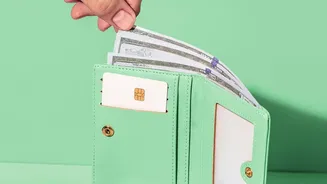
Never go shopping—online or offline—without a specific list. A list grounds you in your needs and pre-made decisions, making you less susceptible to 'deals' designed to trigger impulse buys. For in-person shopping, withdraw the budgeted amount in cash and leave your cards at home. Studies and financial experts agree that spending physical money feels more 'real' than tapping a card or clicking 'buy now'. When the cash in your wallet depletes, you have a tangible signal that your spending for the day is done.
Implement a 24-Hour Waiting Rule
Emotional triggers like stress, boredom, or the fear of missing out (FOMO) from a 'limited-time offer' drive most impulse spending. A simple but powerful defence is the 24-hour rule. If you see something you want that wasn't on your list, don't buy it immediately. Add it to a 'wish list' and wait at least 24 hours. This delay separates the emotional rush from the logical decision. After a day, the initial excitement often fades, and you can more clearly assess if you truly need the item or if you were just caught up in the moment.
Find Joy in Low-Cost Traditions
The festive spirit isn't measured by how much you spend. Shift your focus from expensive gifts and commercial celebrations to meaningful, low-cost experiences. Instead of buying elaborate decorations, have a DIY craft day with your family. Rather than expensive restaurant outings, host a potluck where everyone contributes a dish. Consider gifting experiences, like a planned day together, or handmade items. These gestures are often more memorable and cherished than any store-bought product, and they keep your budget intact.