







The Grand Vision of a Digital Museum
For years, the Government of India, through the Ministry of Culture, has been driving a mission to digitise the vast collections held in museums across the country. The goal is ambitious and transformative: to dissolve the physical walls of museums and create
a unified virtual repository accessible to anyone, anywhere. This initiative, primarily powered by the JATAN software developed by the Centre for Development of Advanced Computing (C-DAC), aims to create a comprehensive national database of antiquities. As of mid-2026, this effort has already resulted in the digitisation of hundreds of thousands of artefacts, making them available on the 'Museums of India' portal. The benefits are clear: students can explore history from their classrooms, researchers can access artefacts without geographical barriers, and a global audience can appreciate India's cultural wealth.
From 'If' to 'How': The New Focus on Care
While the push for digitisation has been successful in terms of numbers, the discussion among experts, curators, and policymakers is now shifting towards the nuances of the process. The central theme is no longer about the speed of digitisation, but the quality and thoughtfulness of it. Experts argue that a 'scan-and-upload' approach is insufficient for preserving priceless heritage. Key challenges include the lack of standardised practices for cataloguing and metadata creation. Without uniform standards, integrating collections from different museums into a single, searchable database becomes incredibly complex. This inconsistency was a major hurdle in early computerisation efforts in the 1990s and remains a critical point of discussion today.
More Than Just a Photograph
Careful digitisation means capturing more than just a 2D image. The process involves creating a rich digital record for each object. This includes high-resolution photographs, and increasingly, detailed 3D models created through advanced laser scanning. This technology allows for a non-invasive way to document fragile artefacts in minute detail. Beyond the image, the metadata is crucial. This is the data that describes the object: its name, origin, material, historical period, dimensions, and its story or provenance. Standardising this information ensures that a search for a 'Chola bronze', for instance, yields consistent and comprehensive results from every museum. JATAN software serves as a digital collection management system that helps museums track not only public-facing information but also internal data like an object's location and conservation history.
The Human Element and Emerging Tech
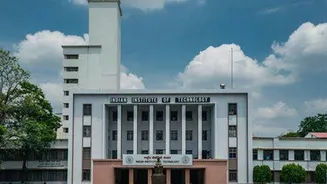
Technology alone cannot solve the challenge. A significant part of the careful approach involves capacity building—training museum professionals. The Ministry of Culture has backed initiatives to train curators and staff in digitisation best practices, use of the JATAN software, and understanding advancements in digital heritage. This human infrastructure is vital for maintaining quality and consistency. Furthermore, new technologies like Artificial Intelligence (AI) are entering the fray. The Indian Museum in Kolkata, for example, has collaborated with IIT-Kharagpur to use AI for the digital restoration of artefacts, showcasing how technology can not only preserve but also help in the conservation of heritage. Virtual and Augmented Reality (VR/AR) tools are also being introduced to create more immersive and engaging visitor experiences.
Balancing Access with Preservation
One of the core debates in the digitisation process is finding the right balance between providing open access and protecting the cultural and intellectual value of the artefacts. While the goal is to make collections widely available, institutions must also address legal and ethical questions surrounding the reproduction and use of digital images. Creating a digital twin of an artefact is a powerful tool for preservation and study, but it also raises questions about ownership and control in the digital realm. The move towards careful digitisation acknowledges these complexities, ensuring that as India's heritage becomes more accessible, it also remains protected and respected.