



The Discard Dilemma
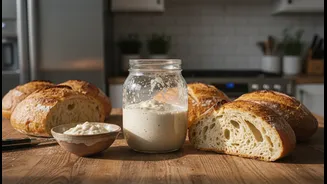
Every time you feed your sourdough starter, you typically remove a portion to keep the yeast culture balanced and lively. This unfed portion is known as “discard.” While it doesn't have the power to raise a loaf of bread on its own, it’s far from waste.
This mixture of flour and water is packed with complex flavour, similar to buttermilk or crème fraîche, and can be a secret ingredient in many recipes. Storing it in a jar in the refrigerator allows you to accumulate enough for various bakes. Adopting an eco-baking mindset means seeing this discard not as a problem, but as a flavour-enhancing asset that helps reduce food waste.
Sweet Morning Starts
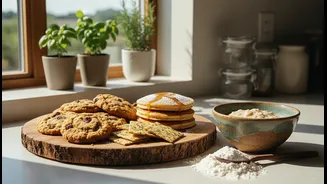
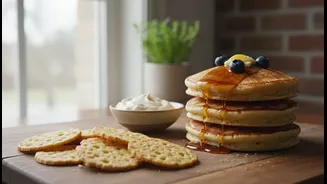
One of the easiest gateways into using sourdough discard is through breakfast staples. The slight tang of the discard beautifully balances the sweetness in recipes for pancakes, waffles, and muffins. Think of fluffy sourdough pancakes bubbling on a griddle or crisp waffles with a newfound depth of flavour. Many recipes for banana bread, scones, and coffee cakes are also easily adapted to include discard, adding moisture and a tender crumb. These recipes are forgiving and perfect for beginners looking to make their mornings more delicious and sustainable.
Versatile Savoury Snacks
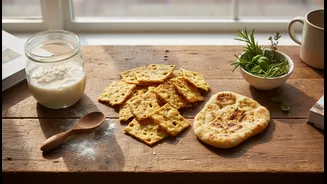
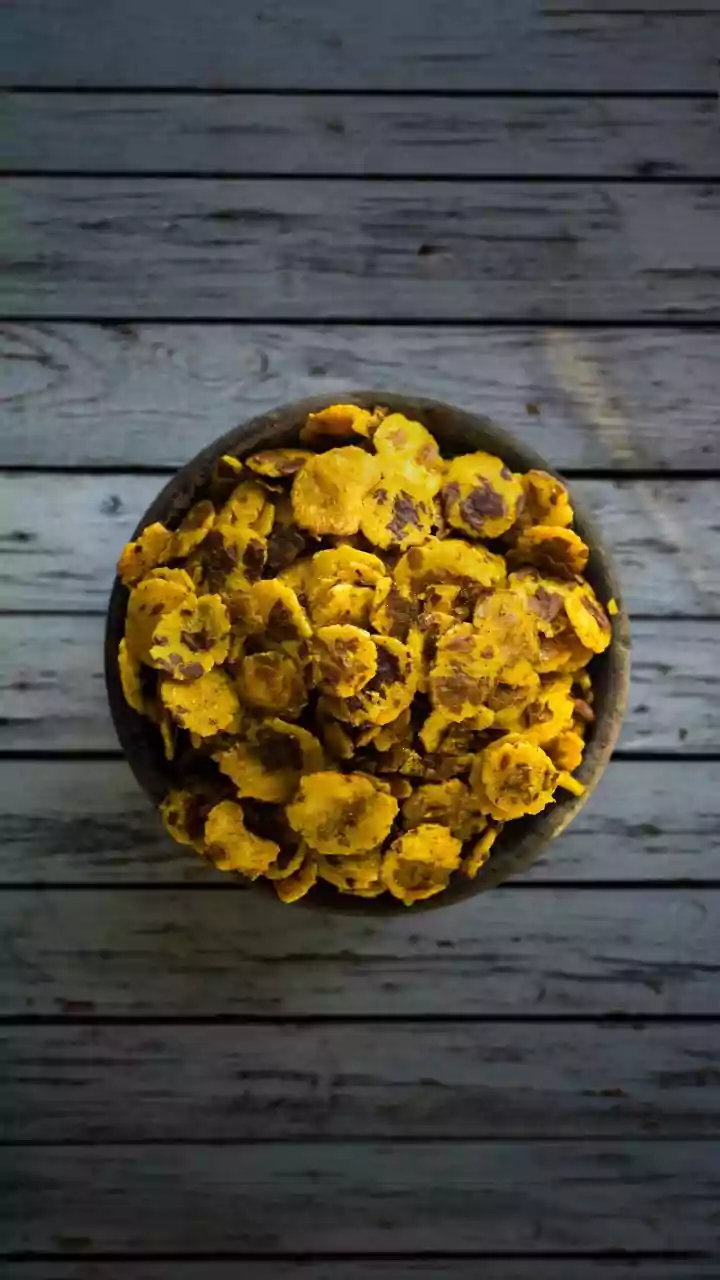
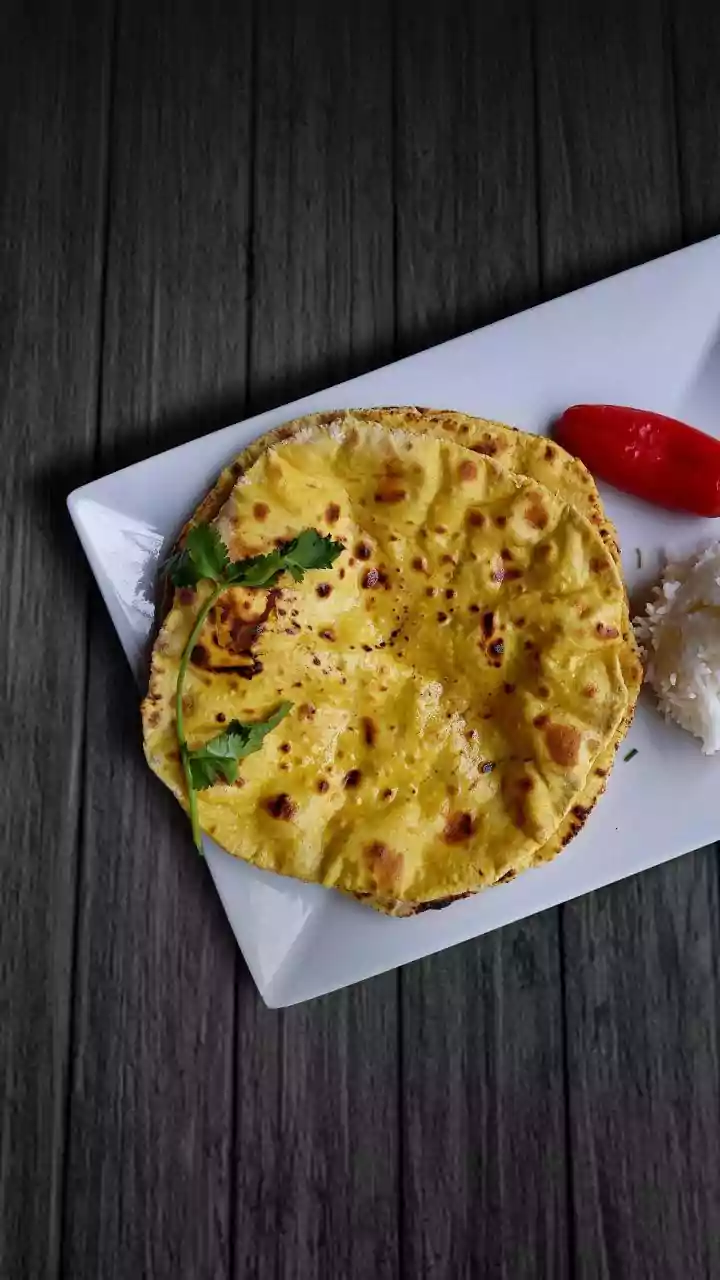
On the savoury side, sourdough discard truly shines with its versatility. Crispy, cheesy-tasting crackers are a popular choice, requiring little more than discard, flour, oil, and seasonings. You can roll the dough thin, sprinkle with herbs or sea salt, and bake for a perfect snack. Beyond crackers, discard can be used to make flavourful pizza dough, soft pretzels, flatbreads, and even pasta. These creations showcase the tangy character of the discard, turning a simple ingredient into the star of your appetiser spread or weeknight dinner.
Creative Kitchen Hacks
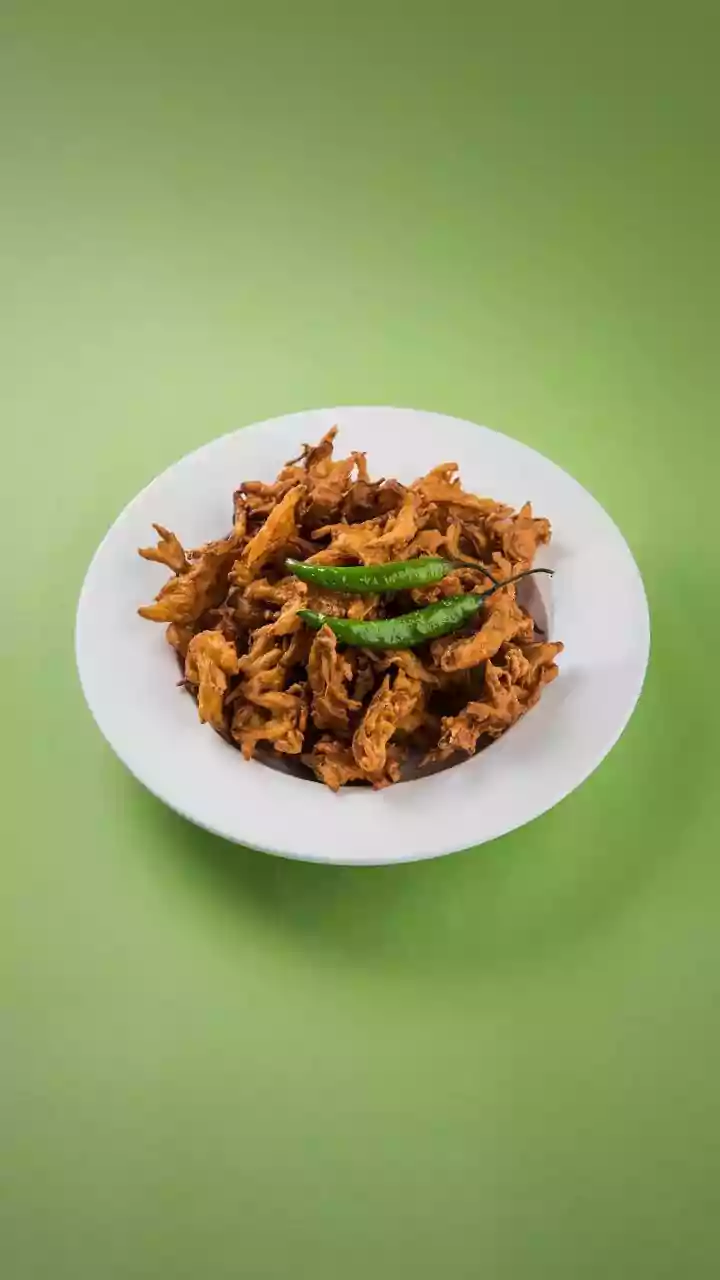
True eco-baking involves creativity, and sourdough discard can be used in ways you might not expect. A spoonful can be whisked into sauces or soups as a thickener, adding a subtle, complex flavour. It can also be incorporated into the batter for fried vegetables, creating a light, crispy coating. Some home cooks use it to make everything from hamburger buns to granola and even add it to meatballs for tenderness. These small uses in everyday cooking help ensure that not a drop of your precious starter goes to waste, embodying the zero-waste philosophy.
The Urban Eco-Baking Mindset
For the urban home cook, this practice is about more than just recipes; it's a mindful approach to food. In a city setting, where connection to food sources can feel distant, transforming discard into a delicious meal fosters a sense of resourcefulness. It's a tangible way to combat food waste, which is a significant environmental issue. By embracing these methods, bakers reduce their carbon footprint, save money on ingredients, and develop a more intuitive and sustainable relationship with their kitchen. It proves that eco-conscious living can be both practical and incredibly tasty, even in the heart of the city.