


Why Calm Is The New Cozy
The monsoon in India is a sensory experience—the smell of petrichor, the constant rhythm of rain, and the dramatic grey skies. While beautiful, it can also feel overwhelming. In response, there's a growing movement to design interior spaces that act as
a peaceful counterbalance. This isn't about shutting the season out, but about curating a personal haven that feels restorative. The goal is to create rooms that soothe the nervous system, reduce the feeling of 'monsoon gloom', and turn your home into a tranquil escape from the damp and darkness outside. It’s a design philosophy rooted in well-being, where your home actively contributes to a feeling of peace and comfort during the often-chaotic rainy months.
Embrace a Soothing Colour Palette
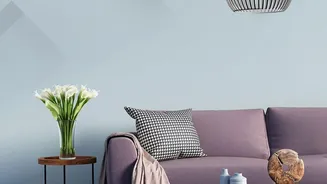
To combat the grey, overcast light, the trend is moving towards warm, earthy, and grounding colour palettes. Think of soft sky blues, dusty lavender, warm greys, and shades of terracotta and olive green. These colours create a sense of warmth and serenity, making rooms feel inviting even when sunlight is scarce. Instead of loud, bright colours that compete with the dramatic weather, these muted, nature-inspired hues work in harmony with the season. Use them on walls, in furnishings, or through accent pieces to build a layered, calming atmosphere that feels both sophisticated and deeply relaxing.
Layer with Lightness and Comfort
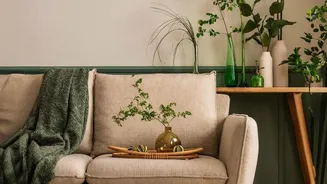
Comfort during the monsoon is all about the right textures. Swap out heavy materials for fabrics that feel soft but remain breathable in the humidity. Lightweight cotton, linen, and microfiber blends are excellent choices for cushion covers, curtains, and throws. The key is layering these textures to create visual warmth and a sense of coziness without trapping moisture. A chunky knit throw draped over a linen sofa or soft velvet cushions on an armchair can make a space feel instantly more inviting and perfect for curling up with a book on a rainy afternoon.
Master the Monsoon Glow
With natural light being limited, ambient lighting becomes crucial. The trend is to move away from harsh overhead lights and towards a layered lighting scheme. Use a combination of floor lamps, table lamps, and even fairy lights to create warm pools of light around the room. Opt for warm-toned bulbs (around 2700K) to cast a soft, inviting glow that mimics candlelight and makes any space feel cozier. This approach not only brightens up dim corners but also significantly impacts the mood, making your home feel like a warm, welcoming retreat from the dreary weather.
Bring Nature Inside, Thoughtfully
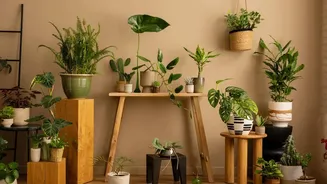
Bringing plants indoors, a practice known as biophilic design, is central to creating a calm environment. During the monsoon, when you're spending more time inside, plants can purify the air, add a touch of life, and connect you with nature. Choose species that thrive in humidity, such as ferns, peace lilies, snake plants, and pothos. The key is strategic placement. Position a few plants within your direct line of sight—on a side table or near a window seat—rather than scattering them in corners. This creates a stronger visual connection to nature and enhances the room's serene atmosphere.
Engage the Senses with Scent
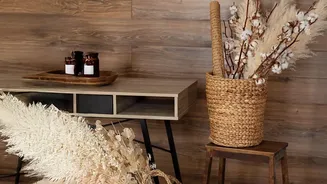
A calm room is a multi-sensory experience. Scent plays a powerful role in combating the musty smells that can accompany high humidity. Use scented candles, essential oil diffusers, or incense to fill your home with comforting fragrances. Scents like sandalwood, lavender, vanilla, or even citrusy notes like lemongrass can help uplift the mood and make the air feel fresh and clean. This final layer completes the sanctuary, creating a space that not only looks calm but also feels and smells deeply relaxing.