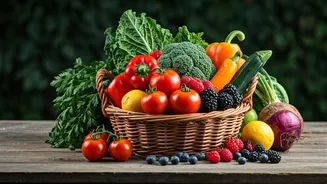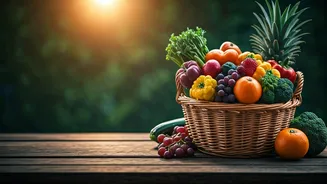









What Exactly Is Seasonal Eating?
At its heart, seasonal eating is a simple, traditional concept: consuming fruits and vegetables around the time they are naturally harvested. [4] Before modern agriculture and global transport made it possible to buy strawberries in winter, people naturally ate
what was available locally each season. [2] This practice means aligning our diets with nature's rhythms. [11] It focuses on produce at its peak of freshness, flavour, and nutritional value. [3] While it primarily involves fruits and vegetables, it can also extend to other foods whose availability varies with the time of year. [2] The core idea is to choose what's growing in abundance in your region right now, a practice that Indian households have followed for generations. [23]
The Flavour-Packed Benefits
Embracing seasonal eating offers a wealth of advantages. Produce picked at its peak ripeness is simply more flavourful and nutritious. [4, 10] Studies show that nutrients like Vitamin C can decline significantly in produce that is stored and transported over long distances. [9, 6] By eating seasonally, you also introduce a wider variety of foods into your diet throughout the year, diversifying your intake of essential vitamins and minerals. [6, 13] The benefits extend beyond your plate; it's often more cost-effective because abundant, in-season produce is cheaper. [13, 12] Furthermore, it has a smaller environmental footprint. Eating locally and seasonally reduces 'food miles'—the distance food travels from farm to table—which cuts down on transportation-related emissions and the energy used for refrigeration and storage. [8, 11]
A Taste of the Indian Seasons
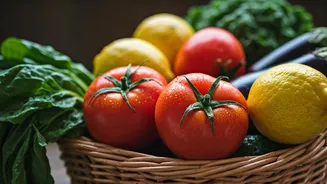
India's diverse climate offers a vibrant calendar of seasonal produce. In the scorching summer (March-July), nature provides hydrating foods like watermelon, muskmelon, cucumber, and of course, the king of fruits, mango. [31, 21] The monsoon (July-November) brings a different bounty, including jamun, pomegranate, corn (bhutta), and a variety of gourds like bitter gourd and snake gourd. [16, 15] This is also the time when unique regional delicacies like wild mushrooms in Goa and Jharkhand appear. [5] Winter (November-February) is a season for nourishing, hearty produce. Markets are filled with leafy greens like spinach and fenugreek, colourful root vegetables like carrots and beetroot, and an abundance of citrus fruits like oranges and sweet lime (mosambi) that are packed with immunity-boosting Vitamin C. [19, 25]
Getting Started Is Easier Than You Think
Adopting a seasonal diet doesn't require a complete overhaul of your kitchen habits. The best place to start is your local sabzi mandi or farmers' market. [3] Vendors are a great source of information; don't hesitate to ask them what's fresh and locally grown. [4] Begin by planning a few meals each week around seasonal ingredients. [16, 23] Notice the shift in produce — when mangoes start to disappear and pomegranates arrive, adjust your shopping list accordingly. Even small changes, like swapping your usual vegetables for their seasonal counterparts, can make a difference. The goal isn't perfection but a more mindful connection to your food and the natural world. It's about rediscovering the joy of eating food that is truly of its time and place. [7]