
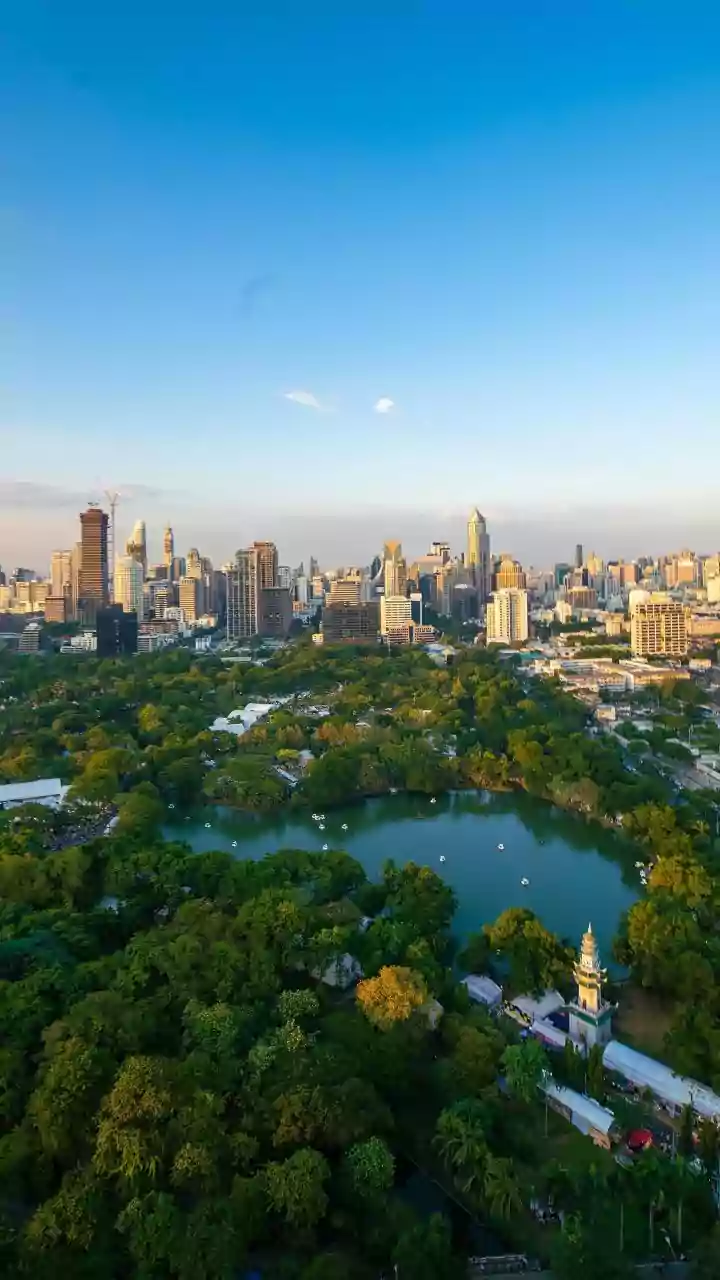

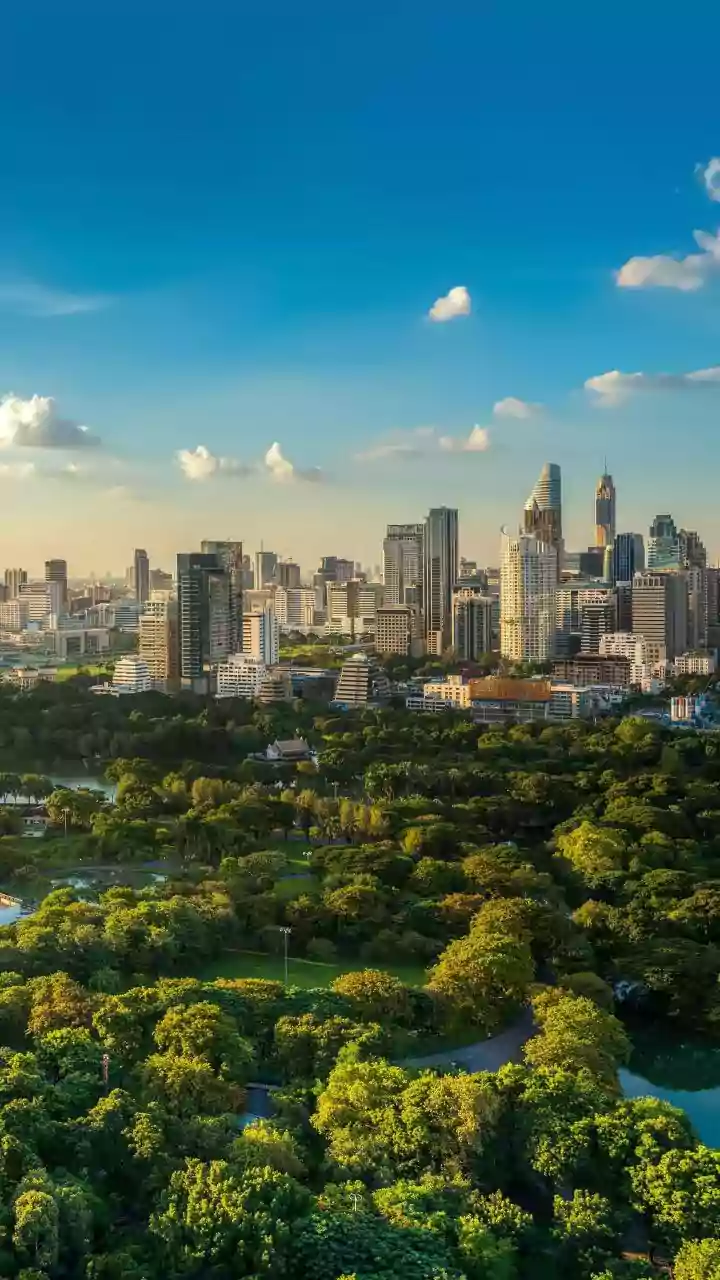



Amidst the concrete sprawl of India's cities, a quiet health crisis is affecting its youth. In response, parks are emerging as vital spaces, offering more than just greenery—they are fostering a grassroots movement towards regular exercise and well-being.
The Urban Health Dilemma
Modern urban life in India presents a paradox. While offering unprecedented opportunities, it has also cultivated an environment of prolonged work hours, academic pressure, and digital dependency. This has led to increasingly sedentary lifestyles among young people. The once-common sight of children playing in neighbourhood streets has dwindled as traffic and safety concerns grow. Consequently, lifestyle-related health issues are appearing at a younger age. This new normal has created an urgent need for accessible, safe, and engaging avenues for physical activity, a role that public parks are uniquely positioned to fill.
More Than Just Open Space
The power of a park lies not just in its existence, but in its ability to facilitate activity. For many urban youths, parks are often the only free and publicly accessible areas for exercise. They provide a crucial escape from indoor confinement and screen time. More than just a place for a morning walk, parks in cities like Mumbai, Delhi, and Bengaluru have become dynamic hubs for running clubs, yoga circles, and community sports. The social element is a powerful motivator; exercising with peers transforms a chore into an enjoyable social event, fostering consistency and a sense of community. This social fabric creates a support system, turning the individual pursuit of health into a collective, positive endeavour.
Designing Parks That Invite Activity
Simply designating an area as a park is not enough. Effective design is crucial to encouraging use, especially among adolescents. Research shows that spaces with a diverse range of facilities, such as playgrounds, sports courts, and walking tracks, see higher levels of physical activity. The recent trend of installing free-to-use open-air gyms in municipal parks has been a significant driver, making fitness equipment widely accessible. However, features that promote social comfort are just as important. Well-placed seating near activity zones allows friends to gather and watch, creating a low-pressure environment that encourages participation. Cleanliness, good lighting, and a sense of safety are fundamental; poorly maintained or unsafe parks deter visitors, particularly young women.
Overcoming Persistent Barriers
Despite their potential, access to quality parks remains unequal in many Indian cities. Rapid urbanisation often prioritises construction over green spaces, causing open land to shrink. Even where parks exist, they can be poorly maintained, with broken equipment and inadequate facilities like toilets or drinking water. Social barriers also play a role. Some resident welfare associations (RWAs) restrict entry to parks built on public land, excluding children from nearby low-income settlements. For adolescents, especially girls, safety concerns and a lack of privacy can be significant deterrents. Addressing these issues requires a conscious effort in urban planning to ensure that green spaces are not only created but are also inclusive, safe, and well maintained for all residents.
A Ripple Effect on Well Being
The benefits of park access extend far beyond physical fitness. Exposure to green spaces is consistently linked to improved mental health, including reduced stress and anxiety. For young people navigating academic and social pressures, a park offers a space for mental rejuvenation and a connection with nature. These green lungs in our cities also help mitigate the urban heat island effect and improve air quality. By providing a venue for community interaction, sports, and social gatherings, parks strengthen social cohesion and a sense of belonging. They become a 'third place' outside of home and school or work, crucial for holistic development and fostering community bonds.