






The Predictable Cycle of Chaos
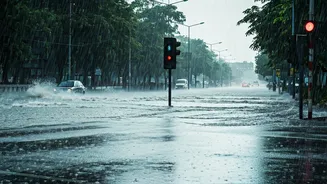
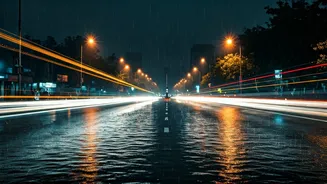
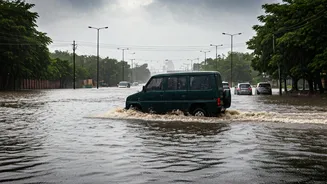
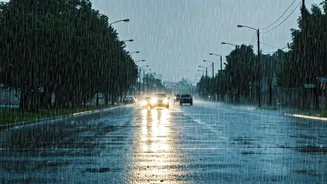
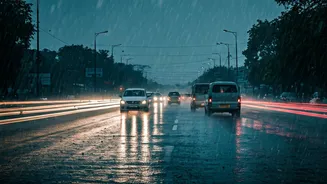
Every year, it’s the same story. The much-awaited relief from summer heat quickly turns into a city-wide commuting nightmare. As rain lashes the capital, social media feeds fill with images of submerged underpasses and kilometre-long traffic jams. Key
arterial roads become parking lots, and a journey that normally takes minutes stretches into hours. Authorities have identified 169 waterlogging-prone locations for the 2026 season, including vulnerable underpasses at Minto Bridge and Zakhira, and are deploying measures like temporary pumps. But while civic agencies focus on desilting drains and managing flood-prone hotspots, a crucial part of the problem remains unaddressed: the conduct of drivers themselves.
It's Not Just the Water, It's Us
Waterlogging exposes the flaws in our infrastructure, but it also exposes the worst of our driving habits. The moment rain begins, a collective panic seems to take over. Lane discipline, already a fluid concept in the city, dissolves completely. Cars swerve to avoid puddles, two-wheelers squeeze into non-existent gaps, and commercial vehicles halt in the fast lane. This breakdown of order is a significant force multiplier, turning a manageable slowdown into a complete standstill. The instinct to get ahead, even by a few feet, results in a gridlock that traps everyone, including the person who caused it. This isn’t a failure of infrastructure alone; it is a failure of collective civic sense.
The Domino Effect of a Single Bad Decision
Consider the ripple effect. One driver attempts to speed through a waterlogged patch, causing their engine to stall. Instead of moving the vehicle to the side, they abandon it, creating an immovable obstacle. Another driver, seeing the jam ahead, decides to drive on the wrong side of the road, leading to a head-on bottleneck. Others stop under flyovers to shelter from the downpour, effectively closing a lane. Each of these individual choices, seemingly small in isolation, contributes to a cascading failure of the entire traffic system. Emergency vehicles get stuck, and thousands of commuters are held hostage by a chain reaction of impatience and poor decision-making.
What Commute Discipline Actually Looks Like
So, what is the alternative? It starts with preparation and a shift in mindset. Before leaving home, check that your vehicle is monsoon-ready: functional wipers, healthy brakes, and tyres with good tread are non-negotiable for safety on slippery roads. Follow advisories from the Delhi Traffic Police on social media to avoid known waterlogged areas. Discipline on the road means maintaining a safe distance from the vehicle in front, as stopping distances increase on wet surfaces. It means resisting the urge to cut lanes, using headlights for visibility even in daylight, and never, ever stopping in an underpass or on a busy road to wait out the rain. If your vehicle breaks down, prioritise moving it out of the flow of traffic. Driving slower and more predictably is the fastest way for everyone to get through.
A Shared Road, A Shared Responsibility
Civic agencies certainly have a critical role. The timely cleaning of drains, deployment of pumps at hotspots, and proactive traffic management are essential. The Delhi government's Flood Control Order for 2026, which makes nodal officers accountable for waterlogging, is a step towards better preparedness. However, no amount of official planning can succeed without public cooperation. The most advanced drainage system is defeated when it's clogged with garbage, and the most effective traffic management plan is useless if drivers refuse to follow basic rules. The monsoon commute is a shared challenge that requires a shared sense of responsibility.