




The Hidden Enemy in the Air
High humidity is more than just an inconvenience; it's a catalyst for food spoilage. Moisture in the air creates an ideal breeding ground for mould and bacteria. Dry goods like flour, grains, and spices are particularly vulnerable because they are hygroscopic,
meaning they naturally absorb moisture from their surroundings. This absorption leads to clumping in spices and sugar, causes crackers and chips to lose their crispness, and can make flours and lentils susceptible to pests like weevils and Indian meal moths, which thrive in damp conditions. Even when you can't see visible mould, high moisture content can alter the texture and flavour of your food, drastically shortening its shelf life.
Why Bulk Buying Often Backfires
The logic of bulk buying is tempting: purchase larger quantities to get a lower price per unit, saving money and reducing shopping trips. While this works well in dry climates, it can be a false economy in humid regions like India. When you buy a large bag of atta (flour) or a year's supply of dal, you're also buying a long-term battle against moisture. If items spoil before they can be used, the initial savings are wiped out, leading to financial loss and significant food waste. The longer an item sits in your pantry, the more time it has to be affected by humidity, temperature fluctuations, and pests. This risk is why many find themselves throwing away food that seemed like a good deal at the store.
The Golden Rule: First In, First Out (FIFO)
The most effective strategy to combat spoilage is not having more food, but managing it better. This is where pantry rotation, specifically the 'First In, First Out' (FIFO) method, becomes essential. The principle is simple: use the oldest items first. When you bring home new groceries, place them at the back of the shelf and move the older items to the front. This ensures that nothing gets lost or forgotten in a dark corner until it's expired or spoiled. For FIFO to work, you need an organized system. Group similar items together—all your dals in one area, all your breakfast cereals in another. This makes it easy to see what you have and grab the oldest item first.
Airtight Storage Is Non-Negotiable
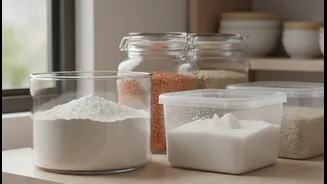
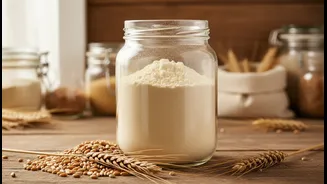
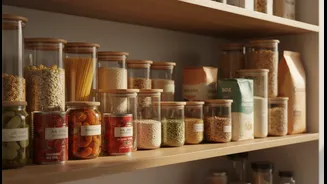
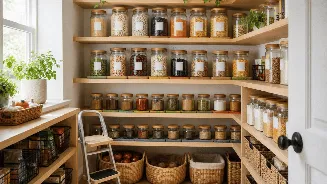
The original packaging from the store—paper bags, thin plastic, or cardboard boxes—is not designed for long-term storage in humid conditions. Transferring pantry staples into proper containers immediately after purchase is a critical step. Glass jars with rubber-sealed lids are considered the gold standard as they are completely airtight and don't absorb odours. High-quality, food-grade plastic containers with locking lids are also a good option. For items like rice and dal, traditional Indian tips like adding a few dried bay leaves or dried red chillies to the container can help repel pests naturally. Before storing, some grains can be briefly sun-dried to remove excess moisture.
Adopt a 'Smarter, Not Bigger' Shopping Habit
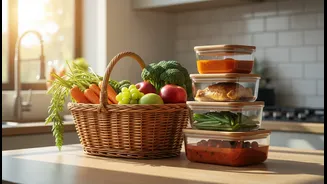
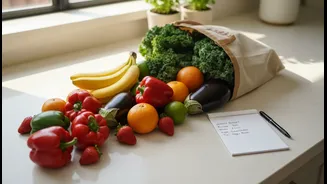
Instead of stocking up for months, consider shifting to a 'living pantry' model. This involves buying smaller quantities of food more frequently, based on your weekly meal plans. This approach ensures your ingredients are always fresh and drastically reduces the risk of spoilage. It may mean more frequent trips to the local kirana store, but it pays off in better quality food and less waste. For items your family uses in very large volumes daily, bulk buying might still make sense, but only if you have an impeccable storage system. For most other items, from spices and special flours to nuts and snacks, buying what you need for the next week or two is the safer and more economical choice in the long run.