




A Paradise Under Pressure
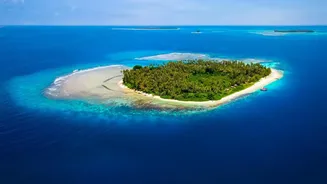
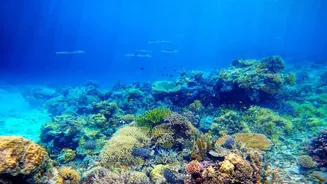
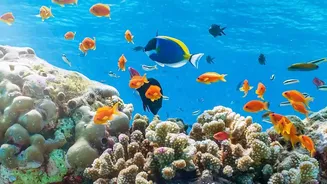
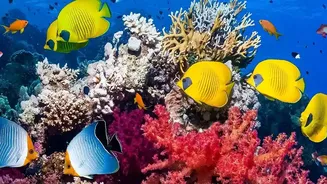
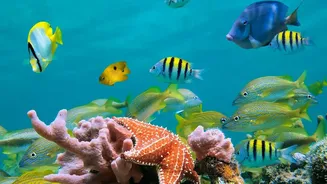
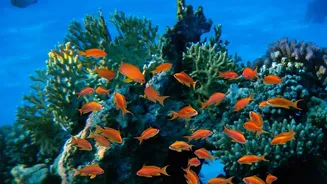
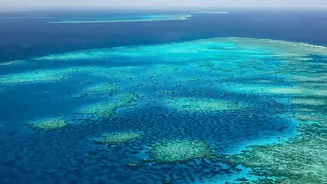
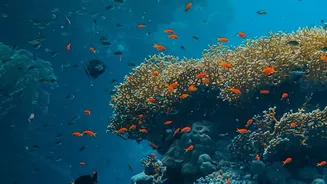
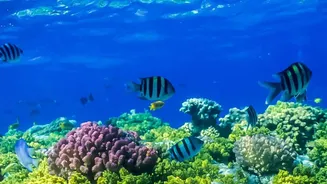
The 36-island archipelago of Lakshadweep is home to some of India's most stunning and ecologically significant coral atolls. These underwater ecosystems are not just beautiful; they are crucial barriers against coastal erosion and support a rich diversity
of marine life. However, this fragile paradise has been under increasing strain. The primary culprits are twofold: climate change and the impacts of growing tourism. Rising sea temperatures have led to severe coral bleaching events, with a significant percentage of corals being affected in recent years. Compounding this are the pressures from tourism. Unregulated visitor activities, plastic pollution, waste from boats and resorts, and even chemicals from sunscreen contribute to the degradation of the very reefs that draw people to the islands. Studies have found microplastics in the local marine life, a clear indicator of the pollution problem. Without intervention, the islands risked loving their main attraction to death.
The New Rules for Responsible Travel
In response, the Lakshadweep administration has implemented a series of sustainable travel regulations designed to mitigate the environmental impact of tourism. While entry permits have always been mandatory, the new framework focuses heavily on ecological preservation. Key among the measures is a strict ban on single-use plastics across the islands; visitors are actively encouraged to bring reusable alternatives. There is also an emphasis on controlled tourism, using the existing permit system to manage visitor numbers and prevent the kind of over-tourism that has damaged other global hotspots. These permits now specify exactly which islands can be visited, preventing unmanaged island hopping and concentrating tourism in areas better equipped to handle it. Furthermore, there are stringent guidelines for water sports like scuba diving and snorkelling, designed to prevent physical damage to the delicate coral structures.
What This Means for Visitors
For travellers planning a trip to this idyllic destination, the new regulations bring a few changes. While the administration has recently simplified the permit process by removing the need for a local sponsor or a prior police clearance certificate, the core requirement of obtaining a permit remains firmly in place. Visitors must apply at least 14 days in advance and clearly state their itinerary. The biggest change is a shift in mindset. A trip to Lakshadweep is now framed as a partnership in conservation. Tourists are expected to be active participants in protecting the environment. This means being mindful of waste, using reef-safe sunscreen, never touching or standing on coral, and respecting the guidelines provided by tour operators. It's about enjoying the beauty of the islands while ensuring that beauty endures for generations to come.
A Blueprint for India's Eco-Tourism Future?
Lakshadweep's decisive action is more than just a local policy; it's a significant test case for sustainable tourism in India. As the nation seeks to develop and promote its natural wonders, the challenge of balancing economic benefits with ecological preservation is paramount. The islands' approach—combining regulatory control with visitor education and community involvement—offers a potential blueprint. By prioritising the health of its primary asset, the coral reefs, Lakshadweep is making a long-term investment in its future. The success of these regulations will be watched closely, not only by environmentalists but also by other ecologically sensitive regions grappling with similar pressures. It's a bold attempt to prove that tourism and nature can coexist, not just for a season, but for a lifetime.