
The End of the Off-Season
For years, the Indian travel calendar was predictable: mountains in the summer, beaches in the winter, and a general avoidance of travel during the monsoon. But this is changing rapidly. The rainy season is no longer seen as an inconvenient downtime but
as an opportunity for unique experiences, and nowhere is this shift more visible than in Northeast India. Recent travel data reveals a significant surge in tourism to the region during the monsoon months. A report from travel platform Cleartrip highlighted a nearly 54% year-on-year increase in hotel bookings for monsoon travel, with the Northeast emerging as the fastest-growing region. States like Nagaland and Arunachal Pradesh have seen hotel bookings climb by over 90%, while cities like Shillong and Guwahati have also recorded growth of over 60%. This indicates a clear trend: the monsoon is becoming the new peak season for the Northeast.
What's Driving the Trend?
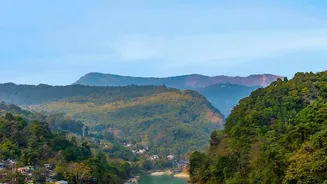
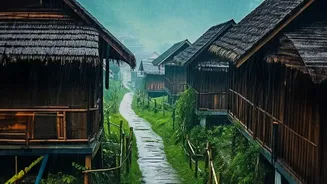
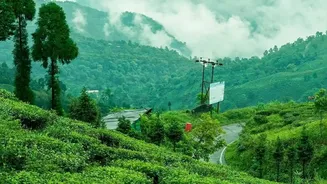
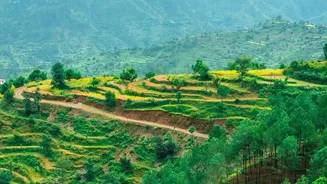
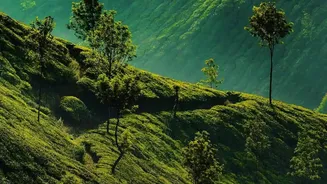
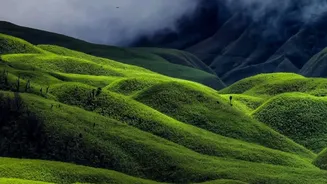
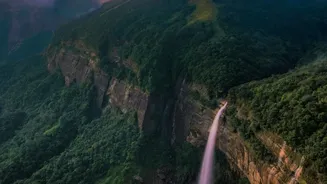
Several factors are fuelling this newfound love for the rain-soaked Northeast. The primary driver is the sheer, unadulterated beauty of the region during this time. The monsoon transforms the landscapes into a vibrant green paradise. Waterfalls like Nohkalikai and Seven Sisters in Meghalaya, which are mere trickles in drier months, become powerful, thundering spectacles. Social media has played a huge role, with mesmerising images of mist-covered hills, lush tea gardens, and rain-washed forests enticing travellers seeking authentic, nature-based experiences. Furthermore, there is a growing desire among travellers, particularly younger generations, to explore offbeat destinations away from the crowds. The monsoon offers just that—a chance to experience popular spots with more tranquility and often at a lower cost, as flights and hotels can be more budget-friendly compared to the traditional peak seasons.
Meghalaya: In the Abode of Clouds
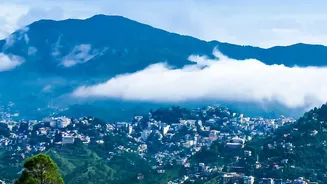
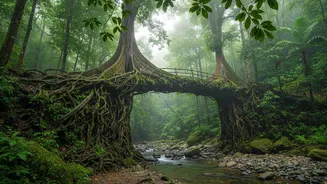
At the heart of this monsoon travel boom is Meghalaya, a state whose name literally means "abode of the clouds." It is home to Mawsynram and Cherrapunji, two of the wettest places on Earth, making it the quintessential monsoon destination. The rain here is not a spoiler; it is the main attraction. It breathes life into the region's famous living root bridges, turning them into scenes from a fantasy novel. Treks to the Double Decker Living Root Bridge in Nongriat or explorations of the ancient Mawphlang Sacred Forest become even more magical amidst the mist and drizzle. Cities like Shillong, the "Scotland of the East," offer a romantic, misty charm, with attractions like Ward's Lake and Elephant Falls at their scenic best.
Beyond Meghalaya: Other Monsoon Gems
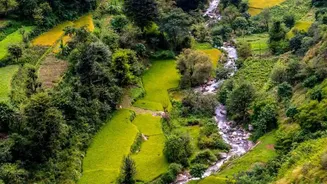
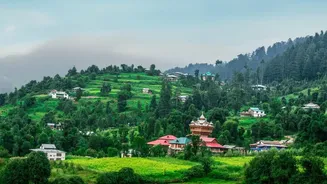
While Meghalaya may be the star, other northeastern states also offer incredible monsoon experiences. In Assam, the sprawling tea gardens in Dibrugarh and the riverside charm of Tezpur are captivating. Haflong, the state's only hill station, becomes a green haven of mist-covered hills. In Arunachal Pradesh, the Ziro Valley, a UNESCO World Heritage site, offers stunning vistas of lush paddy fields under dramatic monsoon skies. Nagaland's Dzukou Valley transforms into a carpet of vibrant wildflowers between June and September, offering a breathtaking trekking experience. Even Sikkim and parts of Tripura, like the Jampui Hills, provide serene and beautiful monsoon getaways, with panoramic views of cloud-kissed mountains and vibrant blooms.
A Practical Guide to Your Monsoon Trip
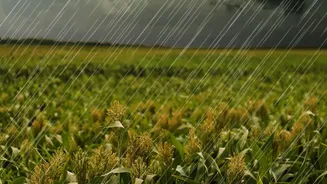
Travelling to the Northeast during the monsoon does require some planning. While the region is generally safe, heavy rains can lead to landslides and road blockages, so it's crucial to build flexibility into your itinerary. Pack waterproof clothing, sturdy non-slip footwear, and a waterproof bag for your electronics. It's also wise to keep a safe distance from powerful waterfalls and swollen rivers. Booking guided tours or travelling with experienced local companies can enhance safety and provide a smoother experience. Despite these considerations, the rewards are immense. A monsoon trip to the Northeast offers a chance to see the region in its most vibrant and dramatic form, often with fewer crowds and a more intimate connection with nature.