





Embrace the 'Landing Strip'
The first step to conquering surface clutter is to create designated 'landing strips' for the items you bring in and out of the house every day. Think of the area just inside your front door. This is prime real-estate for chaos. Instead of letting post,
keys, and sunglasses pile up on the nearest table, create an intentional zone. This could be a small console table with a decorative bowl for keys, a neat tray for your wallet and phone, and a stylish wall-mounted holder for mail. The key is to give every item a home that is just as easy to use as dropping it on the counter. When you walk in, the impulse is to drop everything; a landing strip channels that impulse into a tidy habit.
Curate with Trays and Baskets
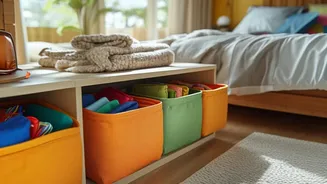
Trays are your best friend in the fight against visual noise. Grouping disparate items—like a remote control, a candle, and a stack of coasters—onto a single tray instantly makes them look like a curated collection rather than a random mess. This works wonders on coffee tables, kitchen counters, and bedside tables. Similarly, attractive baskets can be used to corral items that might otherwise create clutter. A shallow basket can hold daily medications, while a larger one can house throw blankets in the living room. These containers provide boundaries, signaling that this is the designated space for these items and nowhere else.
Go Vertical to Free Up Space
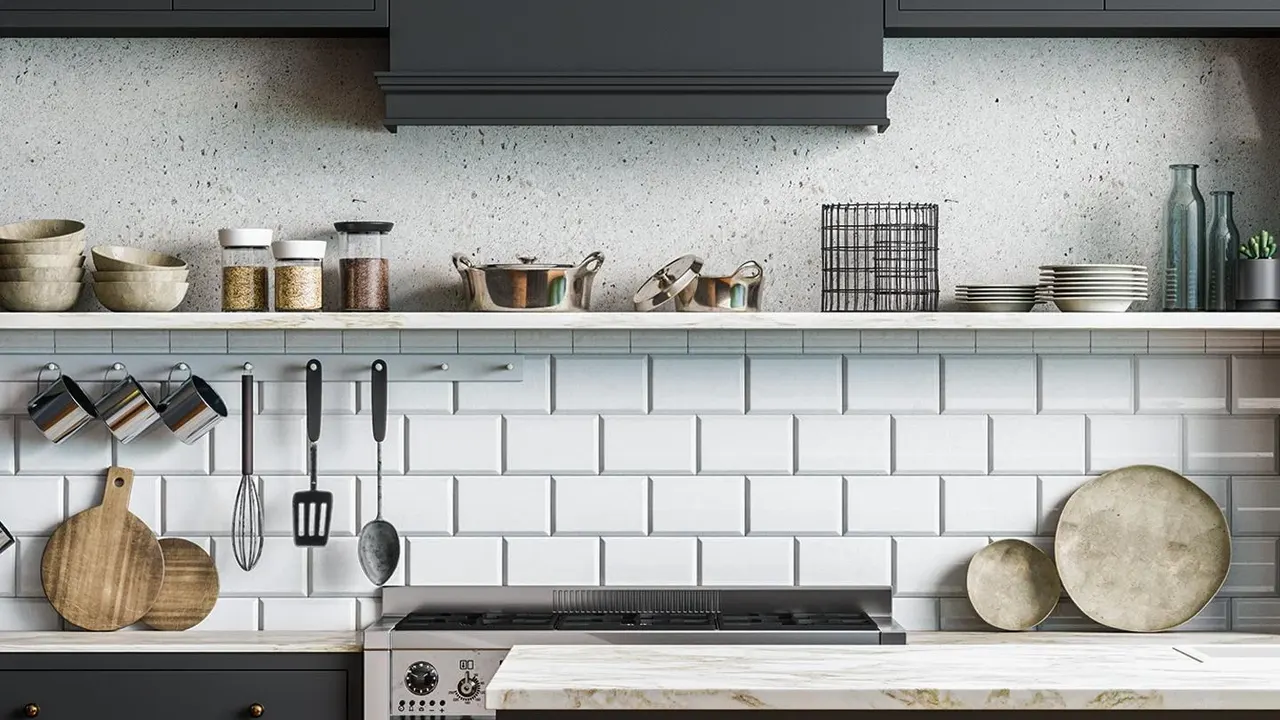
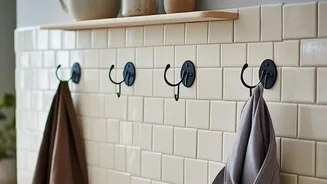
When your horizontal surfaces are overwhelmed, the only way to go is up. Wall space is often underutilised. Consider installing floating shelves for books and decorative objects, or a pegboard system in your kitchen or office for frequently used tools and supplies. In the entryway, hooks are often faster and more effective than hangers for coats and bags, preventing them from being slung over a chair. By moving storage vertically, you not only clear your precious countertops and tables but also draw the eye upward, making a room feel more spacious and dynamic.
Implement a 'One-In, One-Out' Policy
Visible storage only works if you actively manage what's being stored. To prevent your beautiful new systems from becoming overflowing clutter zones, adopt a 'one-in, one-out' rule. If you bring a new book home, an old one must be donated or stored elsewhere. If you buy a new decorative mug, consider whether an existing one can be retired. This principle forces you to be mindful of your possessions and prevents the slow creep of accumulation. It's not about restriction; it's about conscious curation of the items you choose to live with and see every day.
The 'Put It Away, Not Down' Mindset
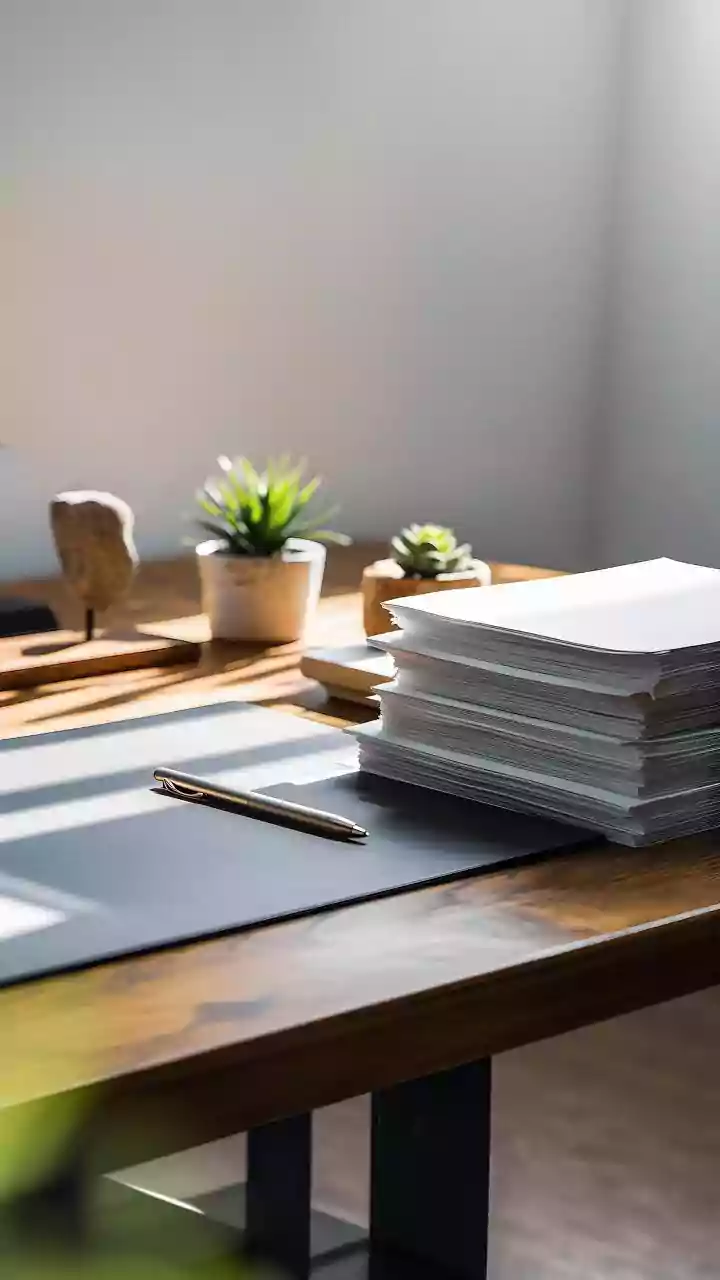
Ultimately, the most effective strategy is a shift in mindset for everyone in the household. The core habit to cultivate is putting things away, not just putting them down. Clutter attracts more clutter; once a small pile starts on a table, it gives subconscious permission for more items to join it. Make it a family rule to clear flat surfaces before leaving a room. It can help to leave a visual reminder in a problem spot, like a small, polite note that says, "No Clutter Zone." Breaking the habit of using flat surfaces as a temporary holding bay is crucial for long-term success.