





The New Festive Consciousness
The great Indian festive season has always been about abundance, but a new generation is redefining what that means. For many young hosts, true luxury isn’t about extravagance, but about mindfulness. They are moving away from the use-and-throw culture
of plastic cutlery and mass-produced ingredients. Instead, they are crafting celebrations that are both beautiful and biodegradable. This shift is driven by a desire for authenticity and a deeper connection to both culture and the environment. Social media is playing a huge role, as creators and influencers showcase how ancient traditions can be aspirational and relevant today. This has sparked a broader trend where young Indians are not just preserving their heritage, but actively reviving and reinterpreting it for a modern context.
The Power of Regional Produce
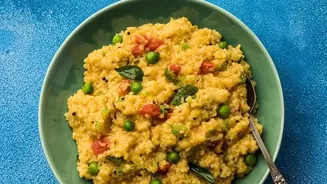
At the heart of this movement is a conscious choice to cook with organic, regional produce. Instead of seeking out exotic ingredients with a high carbon footprint, these hosts are exploring the rich diversity of their local food systems. This choice supports small and marginal farmers who practice sustainable and chemical-free agriculture. By sourcing directly from local farmers' markets or through dedicated organic suppliers, they ensure their food is fresher, more flavourful, and has a compelling story. This focus on seasonality means festive menus are becoming more dynamic and creative, reflecting what is currently being harvested. It's a farm-to-table philosophy applied to traditional festival cooking, resulting in meals that are as nourishing for the body as they are for the local economy.
The Banana Leaf Revival
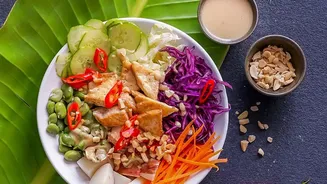
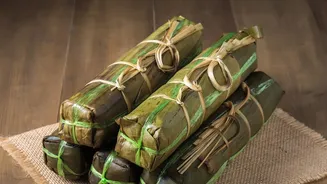
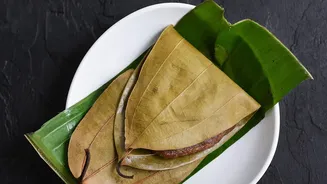
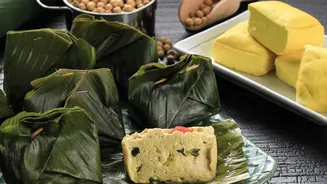
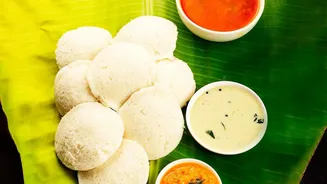
Perhaps the most visible element of this trend is the return of the banana leaf as the ultimate dinner plate. Long a staple in South Indian and other regional cuisines for festival meals, the banana leaf is being embraced by a new generation across the country. The practical benefits are undeniable: they are completely biodegradable, waterproof, and require no washing, saving both water and effort. When hot food is served on the leaf, it releases a subtle, earthy aroma that enhances the flavour of the meal. But there's a health dimension, too. Banana leaves are rich in natural antioxidants called polyphenols, similar to those found in green tea. These compounds, believed to have antibacterial properties, can be absorbed by the food, adding a hidden layer of wellness to the feast.
More Than a Meal: A Statement of Values
Choosing to serve a feast on banana leaves is more than just an aesthetic or environmental choice; it's a statement. It represents a fusion of values where tradition meets modern sustainability. This approach turns a simple meal into a conversation starter about conscious consumption and cultural pride. By folding in other eco-friendly practices—like using earthen diyas, natural flower decor, and avoiding plastic—young hosts are creating holistic celebrations that leave a minimal footprint. The meal becomes an expression of identity for a generation that doesn't see a conflict between being globally aware and culturally rooted. They are proving that the most memorable celebrations are not necessarily the most wasteful, but the most meaningful.