



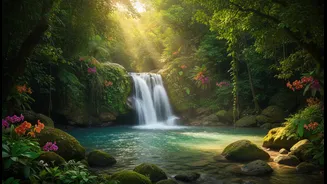
Redefining Adventure
Most holidays are defined by a checklist: museums to visit, mountains to climb, restaurants to try. A trip to the rainforest, however, challenges this notion. The goal isn't to conquer a list but to surrender to an environment. Slow travel in the rainforest means
trading a packed itinerary for deep, meaningful immersion. Instead of rushing to spot a specific animal, the adventure lies in spending an hour watching leaf-cutter ants march in a determined line or learning to identify the calls of different birds. It’s a shift from 'doing' to 'being', where the experience is measured by the quality of your attention, not the quantity of activities.
A Symphony for the Senses
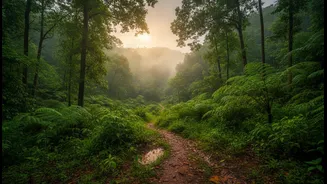
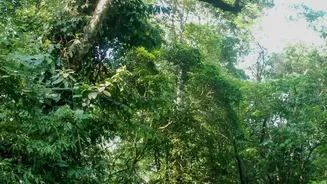
To slow down is to awaken your senses, and there is no better place to do this than the rainforest. When you stop rushing, you start to notice the intricate details. You hear the soundscape, a constant hum of insects, punctuated by the startling cry of a howler monkey or the gentle patter of rain on broad leaves. You smell the rich, earthy scent of damp soil and decaying vegetation mixed with the sweet perfume of wild blossoms. You feel the thick, humid air on your skin and the textured bark of a centuries-old tree. This sensory immersion is the essence of a rainforest holiday; it's a world away from passively consuming sights from behind a screen or a bus window.
Living by the Jungle Clock
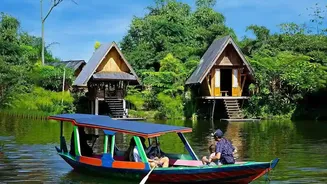
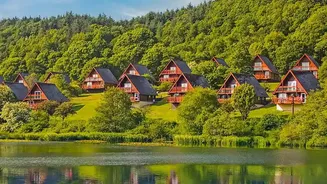
In the rainforest, time is not measured by hours and minutes but by the rising and setting of the sun, the ebb and flow of tides in the river, and the cycles of rain and dry spells. A slow holiday allows you to sync with this natural rhythm. This could mean rising at dawn for a canoe ride, when the water is calm and wildlife is most active, or embarking on a guided night hike to discover the fascinating creatures that emerge after dark. Many eco-lodges are built around this principle, with communal areas, hammocks, and viewing platforms that encourage you to simply sit, rest, and observe the world unfolding at its own pace. This approach helps you disconnect from digital-age stress and reconnect with a more fundamental tempo of life.
A Deeper Connection
Slowing down doesn't just connect you to nature; it often fosters a deeper connection with people and place. Many rainforest lodges are deeply integrated with local and Indigenous communities, offering guests opportunities for authentic cultural exchange. Taking the time to learn from a local guide about medicinal plants, participate in a community project, or simply share a meal provides a much richer understanding of the region than simply passing through. This form of sustainable travel ensures that your visit has a positive impact, supporting conservation efforts and the local economy. You leave not just with photos, but with relationships and a genuine sense of having contributed to the preservation of the place you visited.
How to Embrace the Slow Pace
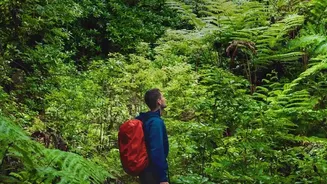
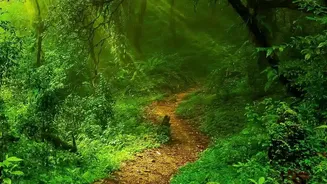
Embracing a slower pace requires a conscious shift in mindset. Start by keeping your itinerary light, leaving ample room for spontaneity and rest. Hire a local guide; their expertise will reveal a hidden world you would otherwise miss. Practice mindful observation: spend fifteen minutes just watching the forest canopy from an observation tower or sitting by a stream. Put your camera away for periods and just experience the moment directly. Ask questions about the small things—the insects, the fungi, the soil. By focusing on the intricate web of life, rather than just the big-ticket wildlife, you will discover the true, profound beauty of the rainforest.