






The Grand Retreat of the Southwest Monsoon
The four-month-long Southwest Monsoon, which drenches the subcontinent from June to September, is now in its final, withdrawing phase. According to the India Meteorological Department (IMD), the monsoon's withdrawal began from western Rajasthan around
September 19 and has been progressively moving southeast since. As of early October, the withdrawal line stretches across central India, meaning vast swathes of the northern, western, and central parts of the country are transitioning to a drier, post-monsoon climate. This process is marked by a significant reduction in rainfall, lower humidity, and the establishment of dry weather patterns. For cities like Mumbai, the withdrawal has already been declared, bringing with it the infamous 'October heat' as temperatures rise before winter sets in.
A Tale of Two Monsoons
India is unique in that it experiences two monsoon seasons. The first is the well-known Southwest Monsoon, driven by winds from the Arabian Sea and Bay of Bengal that cover the entire country. The second is the Northeast Monsoon, a smaller, more localised system that primarily affects the southern states. October is the crucial transition month where one ends and the other begins. As the landmass in North India cools faster than the surrounding seas, the wind patterns reverse. Instead of moisture-laden winds blowing from sea to land, dry winds begin to blow from the land towards the sea over the northern plains. This reversal is what causes the Southwest Monsoon to retreat and brings clear skies to the region.
The Northeast Monsoon Makes Its Entrance
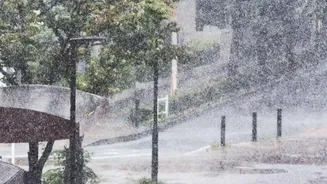
While the north dries out, those same northeasterly winds travel over the Bay of Bengal, picking up significant moisture before hitting the southeastern coast of India. This marks the onset of the Northeast Monsoon, also known as the 'retreating monsoon'. This season, running from October to December, is the primary rainy season for states like Tamil Nadu, and also brings significant rainfall to Kerala, coastal Andhra Pradesh, Rayalaseema, and parts of Karnataka. Forecasts suggest the Northeast Monsoon is expected to set in around the middle of October. This means while cities in the north are enjoying sunny days, regions in the south are bracing for their wettest period of the year.
Impact on Agriculture and Daily Life
This dramatic difference in weather has profound implications. In the north, the end of the monsoon signals the time for harvesting kharif crops and preparing fields for the winter rabi crops like wheat, which rely on cooler, drier weather. The clear skies and pleasant temperatures also kickstart the main tourist season. In the south, the opposite is true. The Northeast Monsoon is vital for replenishing water reservoirs and for the cultivation of crops specific to the region. Tamil Nadu, for example, receives nearly half of its annual rainfall during this period. The IMD forecasts normal to above-normal rainfall for many parts of the southern peninsula during this season, which is crucial after a relatively deficient Southwest Monsoon in some areas. However, this also means residents must prepare for heavy rain, thunderstorms, and potential waterlogging, a stark contrast to the weather up north.